

🔥 Would you like to save this?
There was a time you picked a vacation because it looked restful. Now you pick it because it might sell out. Somewhere between the slideshow and the save button, booking a trip started to feel like timing a trade. Buy the beach before it peaks, get in on the island before the group chat catches on, lock the rate and ride the hype. If any of that sounds familiar, you already know the feeling investors chase on a trading floor. The wiring is identical. The same instincts that pump a stock past reason are the ones packing four coves with four million people. Here’s where your next trip and the next bubble overlap, point for point.
18. Everyone Wants the Next Beach Before Everyone Else

You hear a name you don’t recognize and your pulse ticks up. A fishing village nobody’s ruined yet, a stretch of coast still a secret to everyone except the person telling you about it. The appeal isn’t the sand. It’s being early.
This is the exact itch that fills a trading floor when a stock is still cheap and quiet. Getting in before the crowd means bragging rights and, supposedly, a better experience for less. Economists call it the fear of missing out, and it runs the same loop in both heads: if everyone’s about to want this, I should want it harder, right now.
But “before everyone else” is a crowd by definition. The moment a place is worth racing toward, you’re already in the race with thousands of people who heard the same whisper. You’re not early. You’re just early to the stampede.
17. One Influencer Becomes Your Entire Research Department

You watched one person’s sunset reel and now you could describe that resort’s infinity pool from memory. You trust their packing list. You’ve mentally booked their exact villa. One stranger with good lighting has become your sole source of truth about a place you’ve never been.
Investors do this with a single loud voice too. One confident newsletter, one charismatic forecaster, and suddenly a complicated decision feels simple because somebody certain made it for you. Psychologists call it the authority bias. We hand off judgment to whoever sounds sure, and sure is cheaper to produce than right.
Here’s the part worth sitting with: that influencer was paid, or hoping to be. The glow was staged, the crowds cropped out of frame. You built an entire trip on a sample size of one, and that one had an incentive you never saw.
16. You Book After Seeing the Same Cove Everywhere
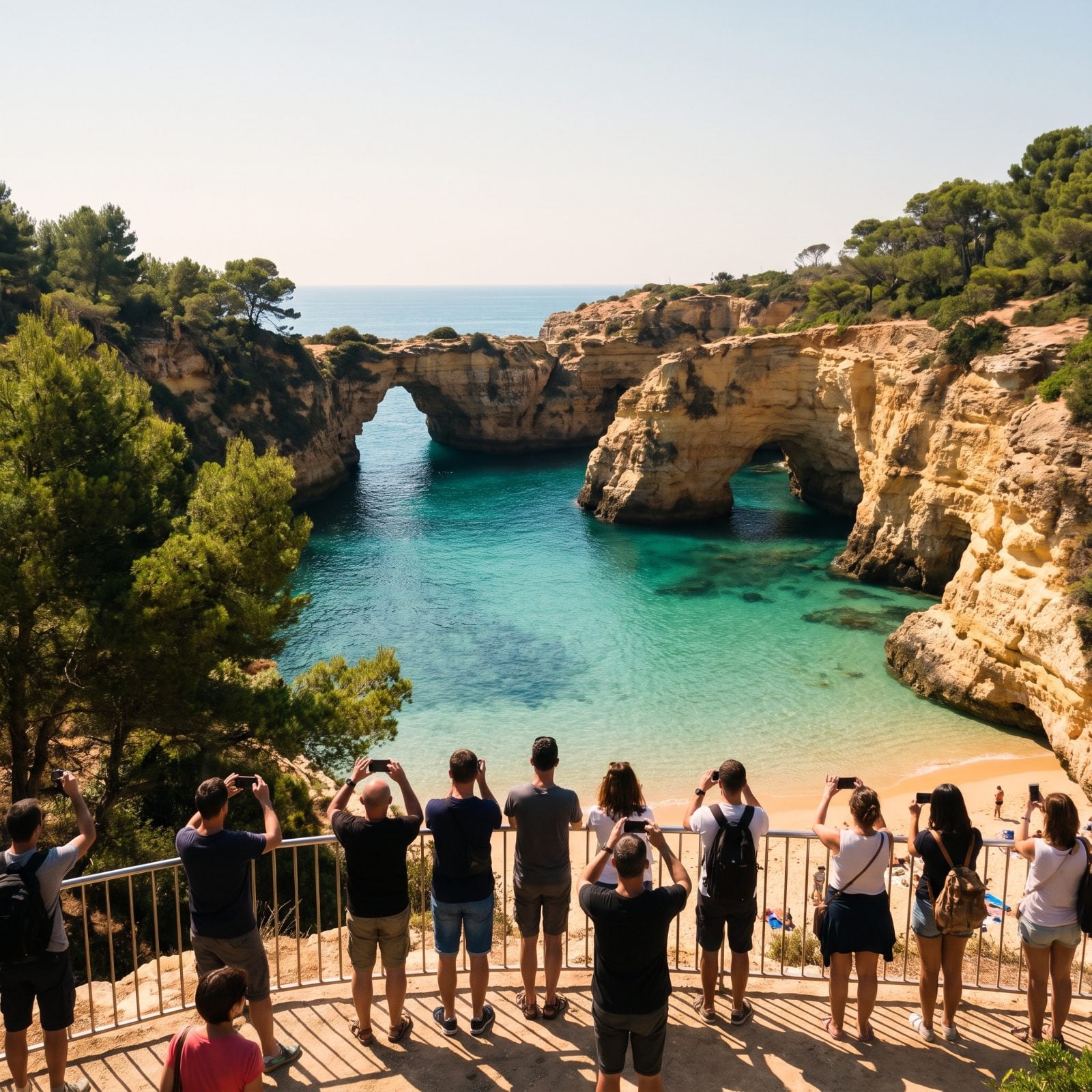
The fourth time that same arch of rock scrolled past, something flipped in your head from “nice” to “I need to go there.” Not because you learned anything new. Because you saw it again. And again.
That’s the mere-exposure effect, the quiet engine behind half the trends you’ve ever followed. The more often we see a thing, the more we like it, the safer it feels, the more we assume everyone else agrees. Markets run on the same fuel. A ticker that keeps appearing in headlines starts to feel inevitable long before anyone checks whether the business underneath it is any good.
Repetition isn’t evidence, though. A cove photographed ten thousand times is a cove ten thousand people are standing in. Familiarity is doing the convincing, and familiarity has no idea whether the water’s actually warm.
15. Your Group Chat Piles Into the Same Island
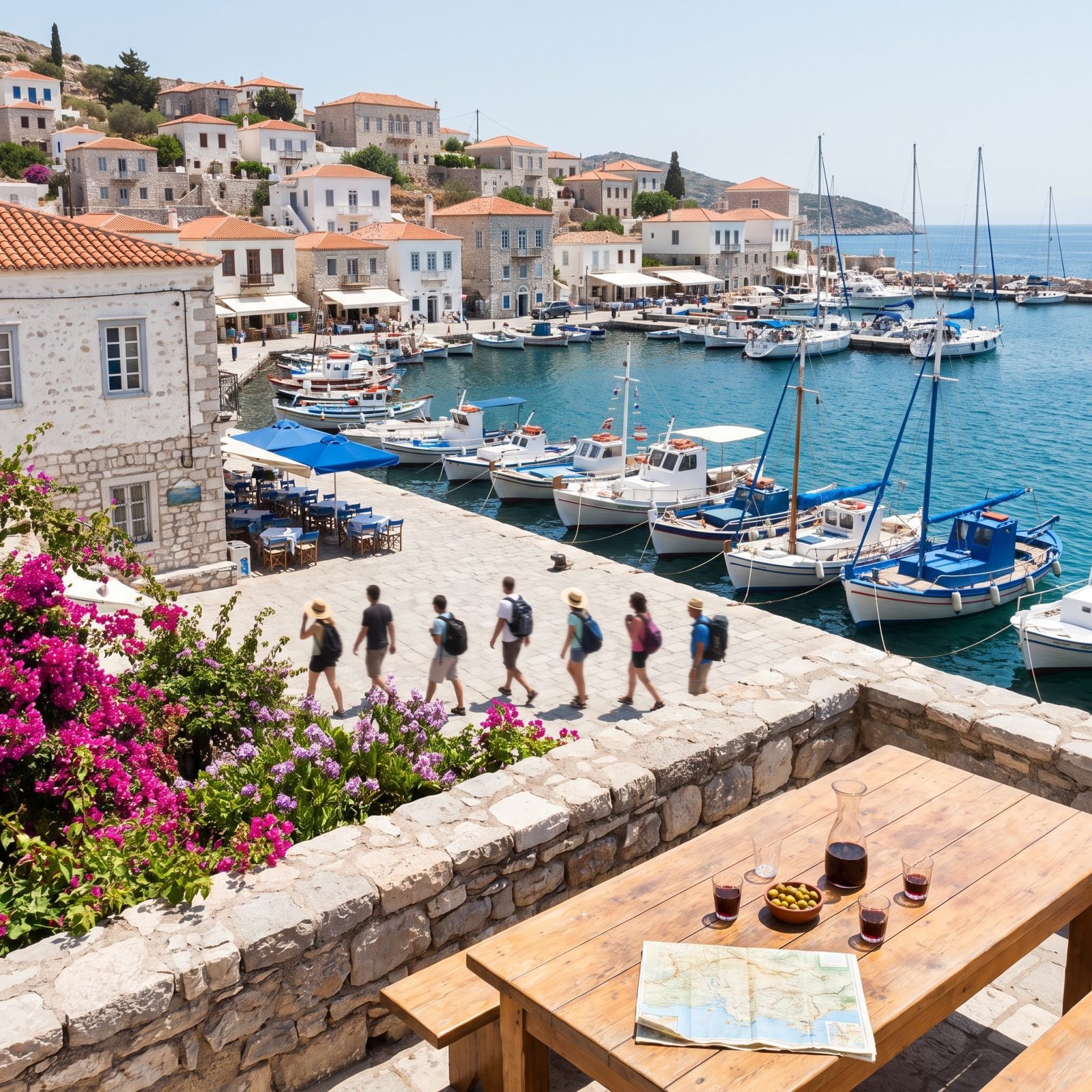
One friend floats an island. Another says they’ve always wanted to go. Within an hour the dates are locked and four of you are comparing flights. Nobody actually researched it. You researched each other’s enthusiasm, which spread faster than any fact could.
Social proof is the reason. When we’re unsure, we look sideways at what everyone around us is doing and copy it, trusting the group to have thought it through. Usually the group was doing the exact same thing, waiting on someone else to seem sure.
This is how a bubble inflates. Each buyer treats the other buyers as confirmation, and the rising demand looks like proof the thing is good, when all it proves is that people are watching people watch people. Your group chat didn’t pick the island. The island picked up momentum, and you all mistook momentum for a decision.
14. A Sold-Out Hotel Starts Looking Like a Sure Thing
You check the booking site and the good room is gone. The whole place is gone. And instead of shrugging and looking elsewhere, you want it more. The scarcity didn’t warn you off, it validated the choice.
Loss aversion and scarcity bias team up here, and they’re brutal. The second something feels unavailable, our brains reclassify it as valuable, almost regardless of what it is. A sold-out hotel feels like proof you had great taste, when it might just mean a convention booked the block.
Watch a hot stock and you’ll see the same reversal. Prices climb, supply tightens, and rather than scaring buyers off, the scramble pulls more in. Scarcity stops being information and becomes temptation. The last room on the shelf always looks like the best one, even when it’s last for a boring reason nobody’s thinking about.
13. Rising Airfares Make You Buy Faster, Not Reconsider

The fare you saw last week jumped a couple hundred dollars. The sensible move would be to pause and ask whether the trip got any better. Instead you panic-buy, grateful you caught it before it climbed again.
A rising price should be a question. In a frenzy, it becomes a reason. This is momentum chasing, the same reflex that drives people to pile into a stock precisely because it’s already expensive and getting more so. We read the climb as a signal of quality rather than a cost to weigh.
We’ve done this and felt clever about it, which is the embarrassing part. Nothing about the destination changed. Only the number did. And the number going up made us move faster toward a purchase we never re-examined. Price momentum is a wonderful salesman who never once tells you whether the thing is worth the money.
12. You Compare $500 Rooms Only With $700 Rooms

You set out to find a place to sleep and somehow you’re weighing a five-hundred-dollar suite against a seven-hundred-dollar one, nodding along as the pricier choice starts to look like a bargain. Lost somewhere behind you: the perfectly good hundred-dollar room you never even opened.
Anchoring did that. The first big number you saw reset your whole sense of normal, and every price after it got judged against that anchor instead of against reality or your actual budget. Markets anchor the same way. A stock that once touched a sky-high price makes every lower price look like a steal, even when the lower price is still absurd.
The resort’s listing photos knew this. They showed you the top suite first on purpose. By the time you reached the sensible options, your sense of expensive had quietly been relocated upward, and you never noticed the furniture move.
11. Last Summer’s Hotspot Feels Destined to Stay Hot

It was everywhere last July. The restaurants, the views, the clips. So you assume this July will be the same, only better, and you book accordingly, confident you’re backing a winner.
That’s the hot-hand fallacy wearing a sarong. We take a recent streak and project it forward as if momentum were a law of nature. A place that was popular feels like it must stay popular, the way a stock that ran up feels like it’ll keep running.
Trends don’t owe you continuity. Last year’s darling is this year’s “oh, that’s so over,” and the crossover point is impossible to see from inside it. By the time a destination’s fame is obvious enough to be certain, you’re usually buying in near the peak, right before the crowd starts drifting toward the next whisper.
10. The “Undiscovered” Label Outlives Any Visible Evidence
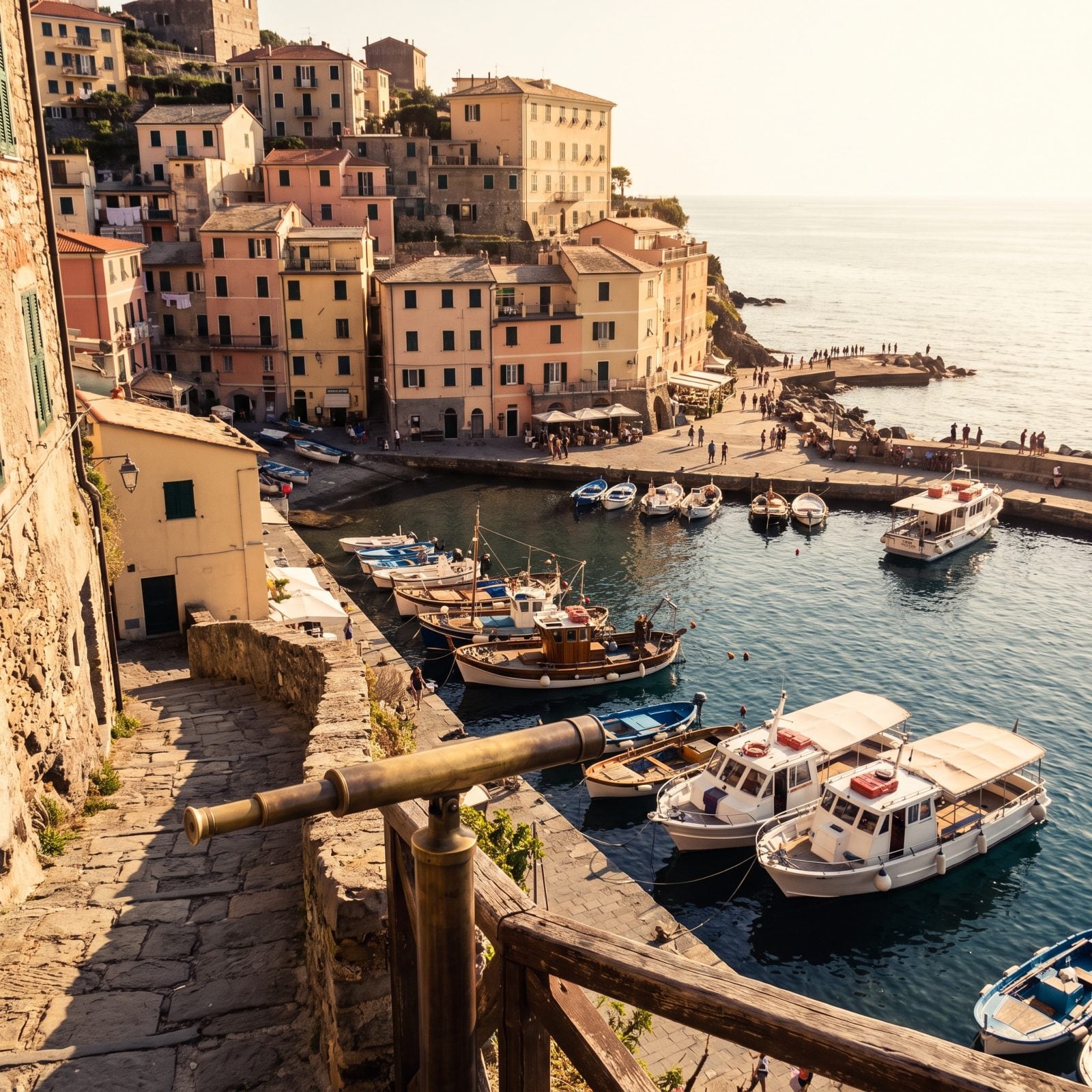
Every blog still calls it a hidden gem. The guidebook promises you’ll have it to yourself. Then you arrive and there’s a line for the viewpoint, three tour boats in the cove, and a souvenir shop selling the exact photo you came to take. Still, the word “undiscovered” clings to the place like old paint.
Labels are stickier than facts, and this is confirmation bias at work. Once a story takes hold, we keep collecting the bits that fit it and waving away the crowd of evidence standing right in front of us. You wanted a secret, so the secret narrative survives the proof against it.
Markets do this with words like “undervalued” long after the value’s been bid away. The label lags the reality by a year or two, and plenty of people buy the label. The empty beach was a true story once. It just isn’t the story you’re standing in anymore.
9. You Assume You’ll Somehow Beat the Crowds There

You’ve seen the photos of the packed viewpoint. You know it gets mobbed. And yet some private voice assures you that you’ll be the clever one, up at dawn, there on the quiet shoulder week, slipping in while everyone else fumbles. Everyone hears that voice. That’s the problem.
Call it optimism bias, or the simple refusal to picture yourself as part of the crowd you’re trying to dodge. Every person at the overlook at sunrise woke up early for the same reason, convinced of the same personal exception.
It’s the identical fantasy that keeps buyers in a bubble too long. Sure, it might pop, but I’ll be the one who gets out first. Everybody plans to be the one who times it. Only a few can be, and nobody knows in advance which few. The crowd you’re planning to beat is made entirely of people planning to beat the crowd.
The crowd you’re planning to beat is made entirely of people planning to beat the crowd.
8. You Ignore the Water Shortage Behind the Infinity Pool

🔥 Would you like to save this?
The brochure sells you a glass-edged pool spilling into the horizon. What it won’t show is the reservoir down the road running low, the farms rationing, the little sign in the guesthouse bathroom asking you to reuse your towel. You read it. You hang the towel up like a good citizen, and then you wander right back out to the pool.
The investor version is the one who spots the warning buried in the footnotes and skims past it anyway. A company burning cash faster than it earns, a valuation that makes zero sense against actual revenue — none of it registers while the number keeps climbing and the pool keeps filling.
Call it motivated reasoning doing its quiet work. We don’t weigh evidence neutrally once we’ve committed; the brain reshuffles the deck so the good cards stay face-up and the inconvenient ones slide to the bottom.
7. Locals’ Warnings Sound Like Negativity During the Boom

Ask the woman who runs the corner shop how the town is these days and she’ll tell you it used to be quieter, the rents used to be lower, you could actually park. She’s not trying to ruin your trip. She lives here. But drop that into the middle of the rush and it sounds like a sourpuss who can’t enjoy a good thing.
Same voice gets waved off in every bubble. The seasoned analyst who says the math doesn’t hold up gets branded a pessimist, a hater, somebody who missed the boat and went bitter about it. The people with the longest view and the least to gain? First ones tuned out.
The person warning you has no reason to lie. That’s exactly why the crowd stops listening.
During a boom, caution reads as weakness. We mistake enthusiasm for insight and calm for cowardice. The loud optimist feels smart. The quiet skeptic feels like a wet blanket. More often than not it’s the reverse.
6. Bad Reviews Clearly Came From People Who Don’t Get It
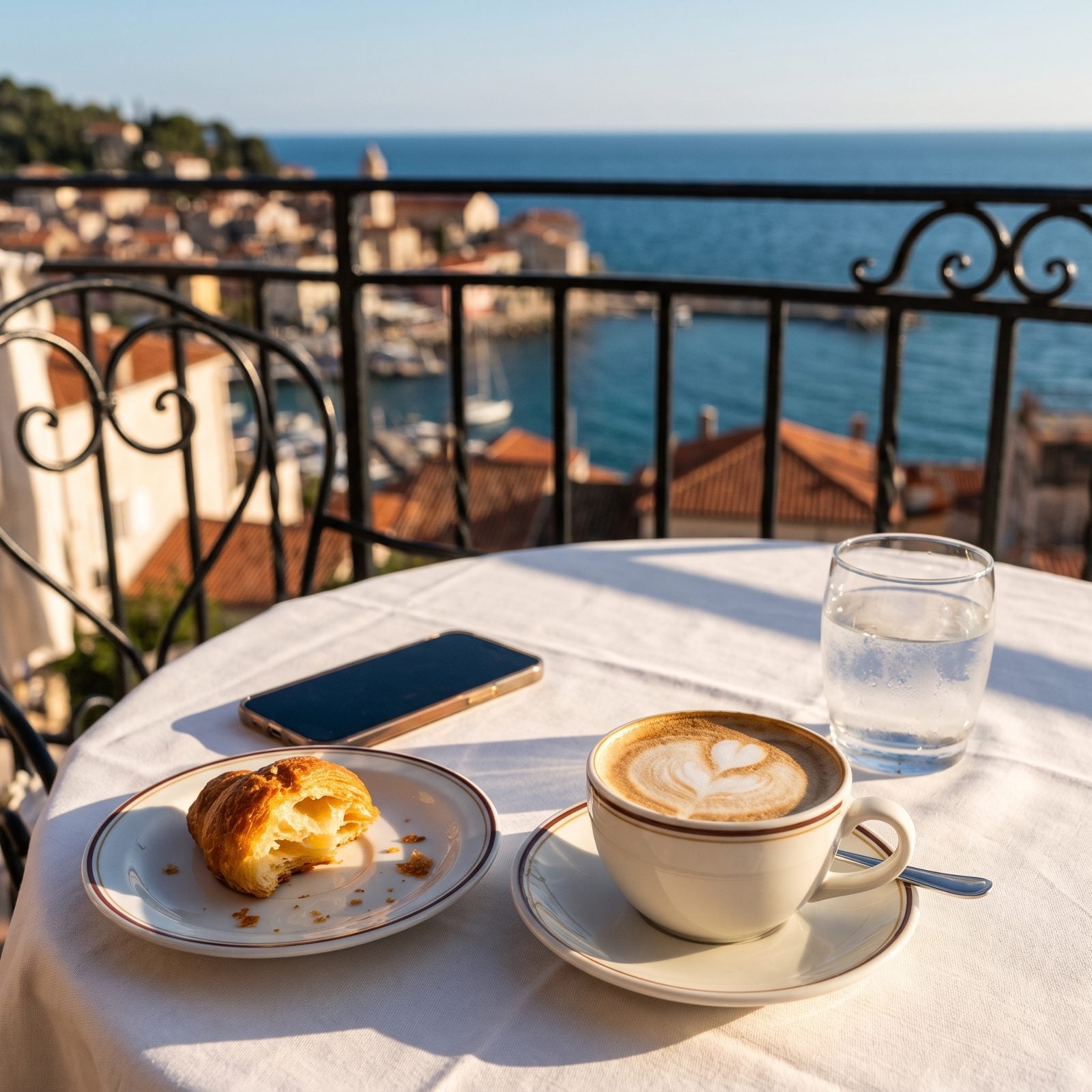
You dig up the one-star reviews. Overpriced, overcrowded, the beach is a postage stamp, the famous sunset spot a mob of selfie sticks. And instantly you decide those reviewers are the problem. They rushed it. They caught bad weather. They have no taste. The place is magic — they just missed it.
Every holder of a hot stock pulls this exact move on the bear case. The short-seller’s report lands, lays out the rot in plain black and white, and gets brushed aside as manipulation, as jealousy, as some guy talking his own book. The criticism never gets weighed. It gets disqualified before anyone reads it.
Confirmation bias, wearing its favorite disguise. We don’t hunt for the truth; we hunt for reasons to keep believing what we already paid to believe, and we are frighteningly good at finding them.
5. A Nonrefundable Room Turns You Into Its Biggest Defender

The moment you clicked the nonrefundable rate to save forty bucks, something shifted. Now the room is smaller than the photos, the ceiling fan wobbles, the walls are peeling, and the gorgeous sea view is the only thing that actually matches the listing. And yet there you are, telling your travel companion it’s charming, it’s authentic, the location can’t be beat. Congratulations — you’ve become the property’s lawyer.
Hold a losing position long enough and you’ll do the same. You stop evaluating the stock and start defending it to anyone who’ll listen, because selling means admitting the money’s gone. The money is gone either way. Your brain just refuses to file the paperwork.
That’s the sunk-cost trap, gift-wrapped in loss aversion. What you spent and can’t get back shouldn’t steer the next decision. It steers nearly all of them.
4. You Want the Geotag Almost More Than the Trip
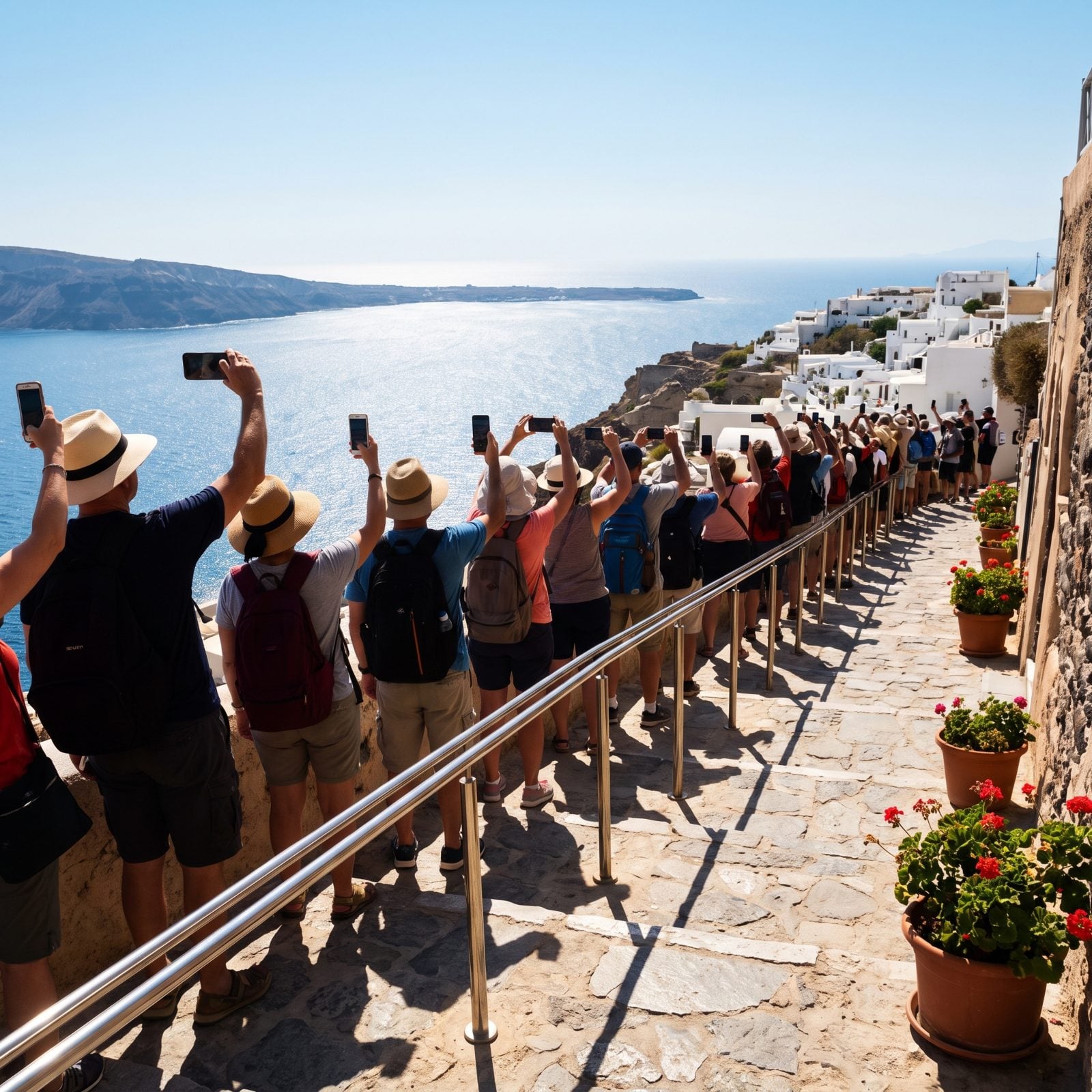
Be honest with yourself. Somewhere in the planning, the picture started to matter more than the place. You picked the hotel for its one famous angle, scheduled the whole hike around a shot. The blistered feet, the forty-minute wait for the staircase to clear, the wind that wrecks your hair — that’s just the toll you pay to come home with the image everyone recognizes.
Chasing a stock for the story instead of the business runs on the same fuel. You don’t actually want the earnings. You want to be the person who got in, who was there, who can drop it at dinner.
Identity signaling, plain and simple. Trip and trade both stop being experiences and turn into props in the story you tell about yourself. The geotag is the receipt that proves you belonged.
3. Your Vacation Photos Recruit the Next Wave of Visitors
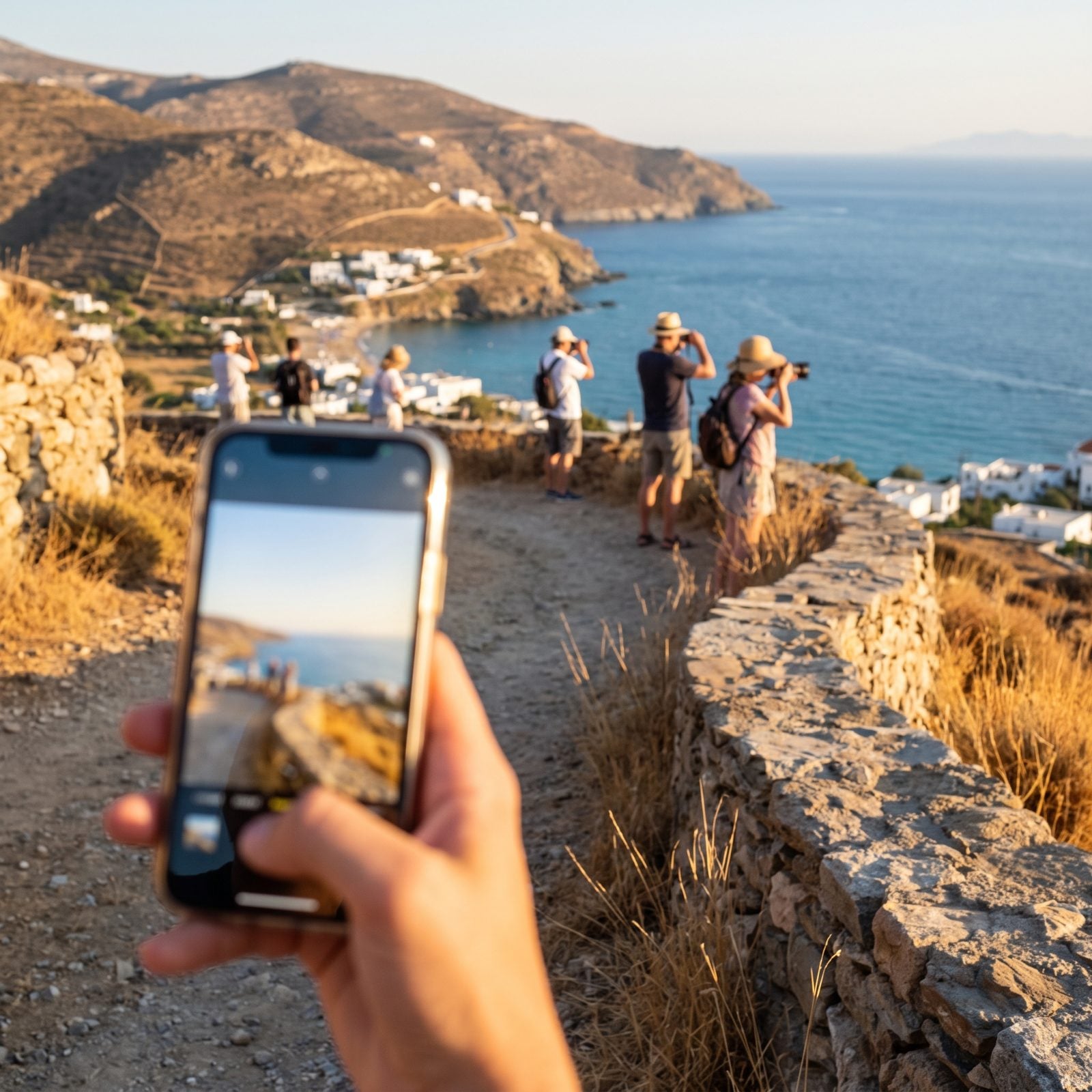
You post the photo. The light was perfect, the water impossibly blue, and within the hour the messages start rolling in. Where is this. How much. Send me the link. You’ve just done for free the thing a tourism board would pay a fortune for — you recruited the next busload.
Manias all spread this way. The guy who made money on the trade can’t stop telling the story, and every retelling drags in a cousin, a coworker, a neighbor who can’t stand being the one left out.
Social proof is the engine under both. We figure out what’s worth wanting by watching what everyone else already wants, and a friend’s glowing photo beats any advertisement every time.
2. When the Trend Turns, Everyone Cancels at Once

For two summers the place was impossible to book. Then one bad story makes the rounds — a crowd video, a price-gouging exposé, a safety scare — and overnight the calendar empties out. The restaurants that added tables haul them back inside. The host who bought three more units can’t fill a single one. What felt permanent turned out to be a mood.
Markets collapse the same way they rose, only faster. The buying was slow and giddy; the selling is a stampede through one door, everybody grabbing for the exit the same afternoon.
A boom is a thousand people arriving one at a time. A bust is a thousand people leaving at once.
Herd behavior cuts both ways. The same instinct that told you to pile in because everyone else did now screams at you to flee because everyone else is. Loss aversion handles the rest, flipping a wobble into a rout.
1. You Abandon One Hotspot for the Newer Hotspot

The place you adored is “over” now. Too crowded, too pricey, too discovered — ruined, apparently, by the very crowd you joined two years back. So you move on. You find the next village, the one still raw and cheap and yours, plant your flag, and feel clever all over again.
Hot money never sits still either. A crowded trade gets dumped the second the next shiny thing lights up, capital flowing wherever the story is freshest, chasing novelty and that little rush of being early.
The quiet culprit here is hedonic adaptation. Discovery’s high fades fast, and the place that once dazzled you goes ordinary for no reason beyond familiarity. So you chase the feeling instead of the destination — which guarantees you’ll keep moving forever.
🔥 Would you like to save this?
Please note that some of the imagery in this article were created with the aid of AI image generators.