
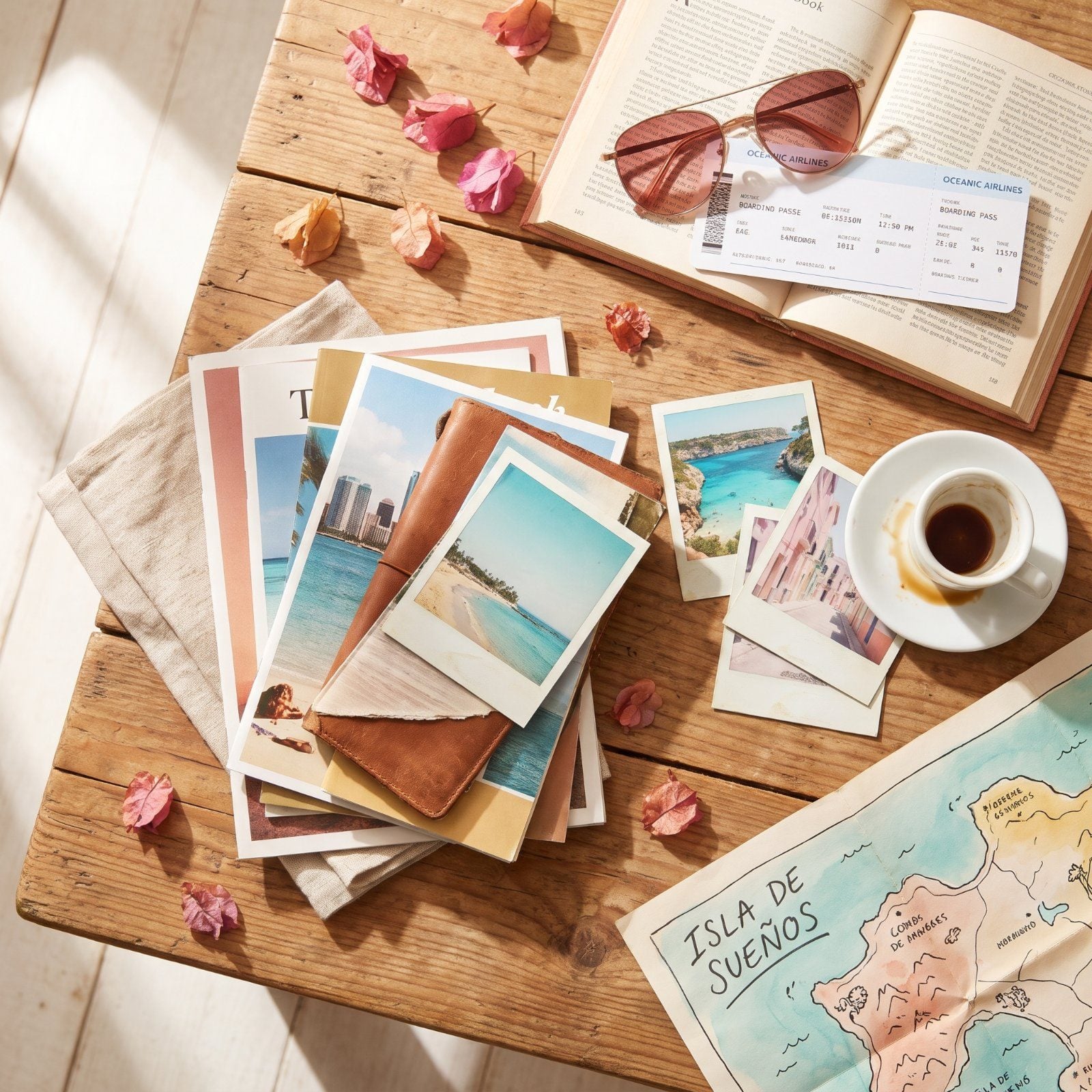
A confession. You once booked a trip off a single photo of a cliffside pool and one sentence of somebody else’s caption. You knew nothing about the place. The roads, the crowds, the summer heat that turns a charming square into a frying pan — none of it mattered, because you were already in love. That’s the same patch of brain that makes you lean a little closer when a good-looking stranger walks into the room, before you’ve heard a word they say. We idealize beautiful places the way we idealize beautiful people, and the wiring is identical. The shortcuts, the daydreams, the way one gorgeous detail convinces you about a thousand you’ll never see. Here’s how it happens, and why you keep falling for it anyway.
17. The Brochure Shows Its Best Angle, and You’re Sold
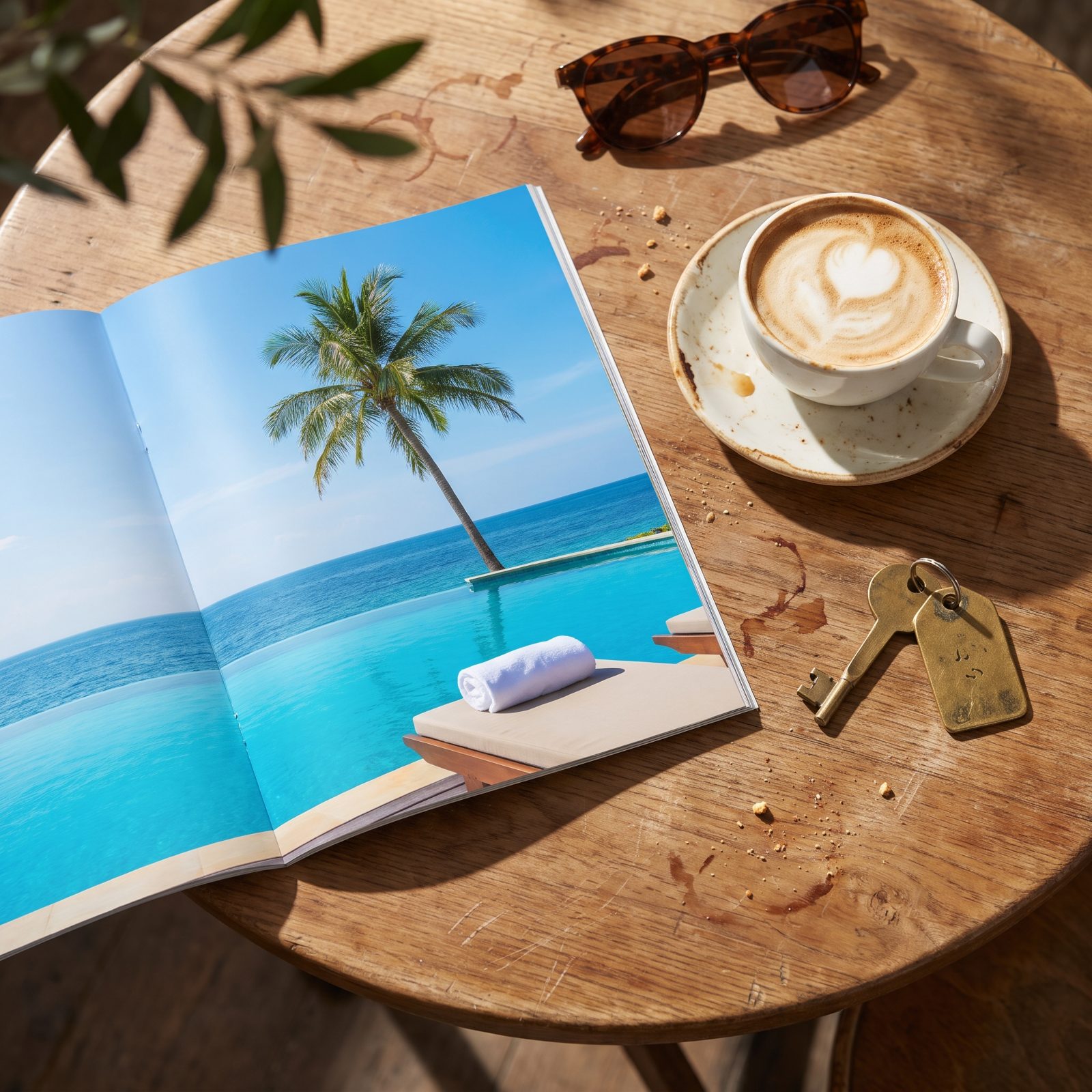
Every brochure is a dating profile. The resort hired a photographer who waited for golden hour, cleared the frame of construction cranes and sunburned families, and found the one pool angle that hides the highway behind it. You see that single frame and fill in the rest with your own best guesses: the lobby must be grand, the food fresh, the staff already half in love with you.
Same leap you make across a crowded room. One attractive face, and your brain quietly promises you kindness, humor, and good taste to match. Psychologists call it the halo effect — one appealing trait leaks outward and colors everything you haven’t actually seen.
The photo isn’t lying. It’s curating, which is a gentler cousin of lying. It shows you the truest two percent and trusts you to invent the other ninety-eight.
16. You See One Turquoise Cove and Assume Everything’s Perfect
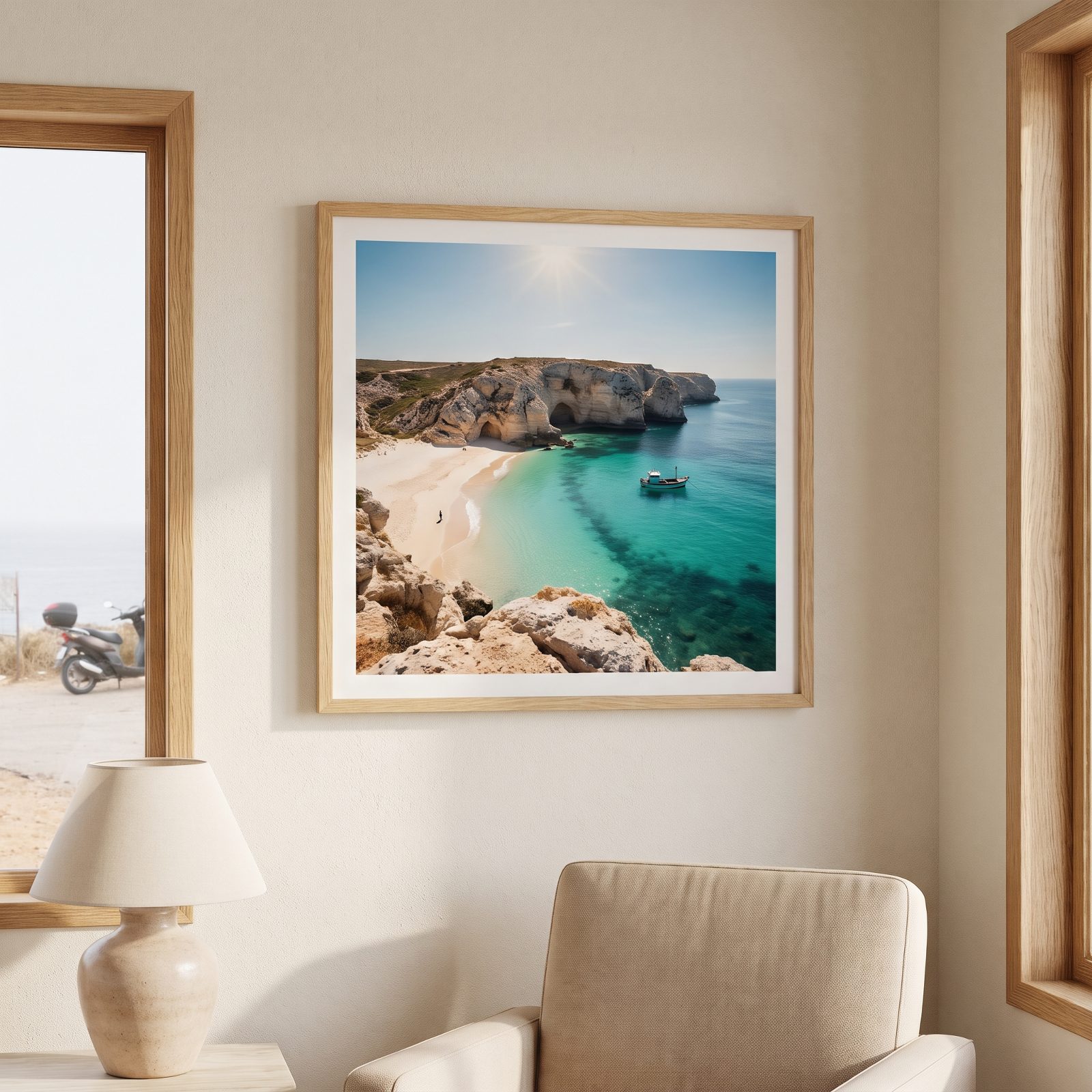
You find one cove. The water is the color of a swimming pool somebody blessed, the sand is powder, and you stand there and decide the whole country must look like this — so you book the longer trip, the extra nights, the entire fantasy.
Then you arrive and the cove turns out to be the exception. The rest of the coast is parking lots and a town that smells faintly of diesel. Lovely in its own gritty way, but not the thing you fell for.
This is the representativeness shortcut at work. We treat one vivid example as a fair sample of the whole, the same way one dazzling first impression convinces you a person is dazzling all the way down. One great trait feels statistically significant. It almost never is.
The cove was real. Your math was the problem.
15. Ten Thousand Likes Make the Beach Feel More Desirable
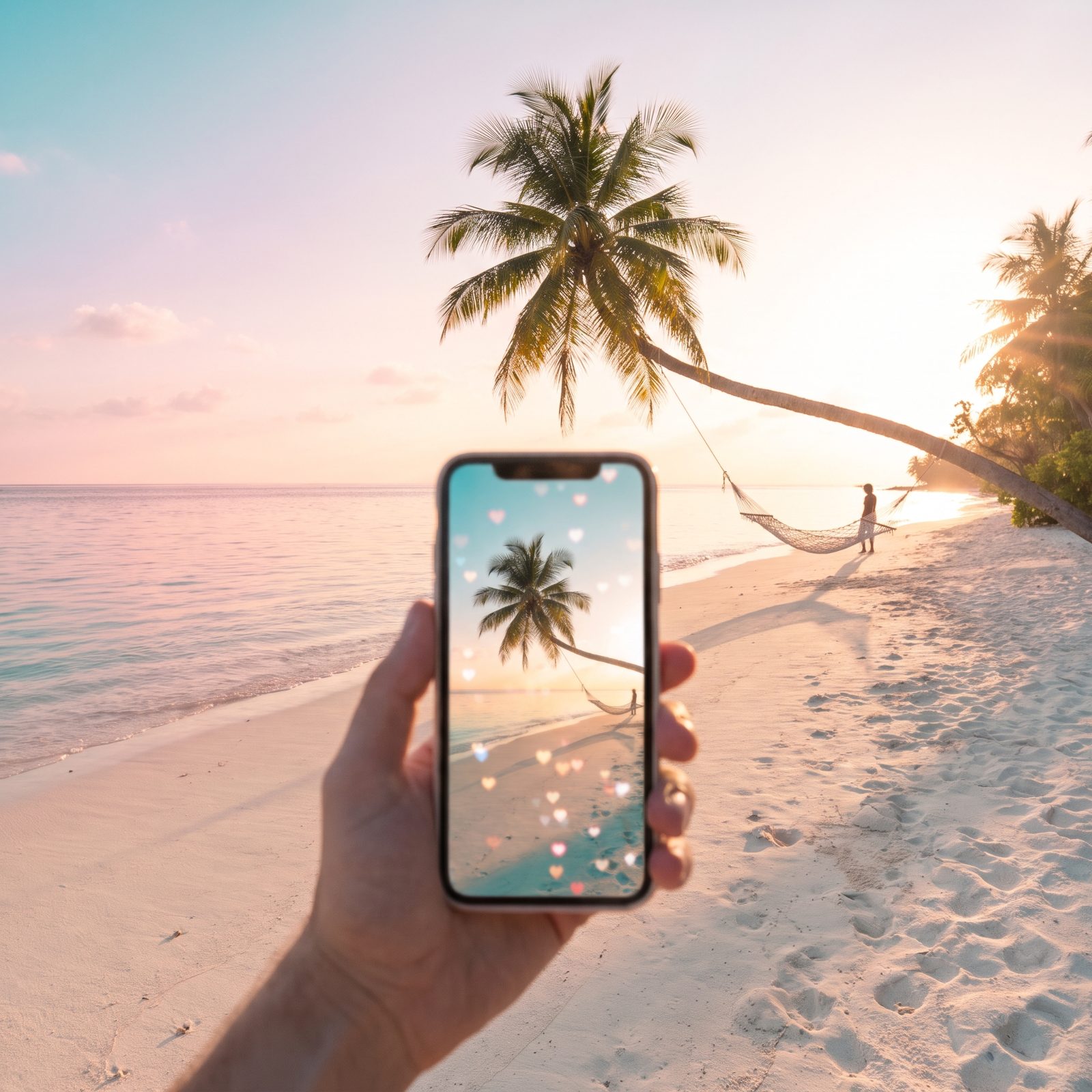
A photo of an empty beach is just a beach. Flood the comments under it with likes and it becomes a destination. Suddenly the question isn’t whether you’d enjoy it. It’s what all those people already know that you don’t.
That nudge has a name: social proof. When we can’t easily judge something ourselves, we borrow the crowd’s judgment. A packed restaurant tastes better before you’ve eaten a bite. An attractive person ringed by admirers somehow looks more attractive. We read popularity as evidence of quality, and we’re usually wrong about how much it proves.
Likes measure how photogenic a place is, not how good your actual week there will be. The most liked beaches tend to be the most crowded, the most expensive, and the most exhausting to reach.
A full room feels like proof. It’s really just a full room.
14. Seeing Santorini Everywhere Starts Feeling Like Fate

First it’s a friend’s honeymoon album. Then an ad in your feed, a movie, a wine label, a coworker’s screensaver. Those blue domes start turning up everywhere, and some stubborn part of you decides the universe is trying to tell you something.
It isn’t. Your attention changed, not the world. Once a place lands on your radar, you start noticing every mention that was always drifting past, and all that noticing feels like signs falling into line. Same trick that makes you spot your crush’s name everywhere the day after you meet them.
Call it the frequency illusion. The brain mistakes its own new focus for a pattern out in the world. Fate feels electric. It’s really just a search filter you accidentally switched on.
13. Only Two Rooms Left Makes You Want It More

The listing was fine until you saw the little red line. Only 2 rooms left at this price. Now your pulse picks up and the fine room becomes a once-in-a-lifetime room you have to grab before some stranger beats you to it.
Nobody wants the thing that’s always there. We want the thing about to vanish. This is scarcity bias crossed with plain old loss aversion, and it’s exactly why the hard-to-get stranger feels more magnetic than the one who texts right back. The threat of losing something sharpens the wanting far past what the thing itself deserves.
Booking sites know this down to the pixel. Those countdown timers and dwindling-room alerts aren’t there to help you plan. They exist to short-circuit the part of you that would otherwise sleep on it.
12. February Slush Makes Any Palm Tree Look Irresistible

Book a beach trip in July and you shop carefully. Book one in February, snow sliding off your boots in the hallway, and any palm tree in any photo looks like salvation. Your standards collapse in exact proportion to how cold and gray your current life has gotten.
That’s your mood doing the deciding, not your judgment. We lean hard on how we feel right now to predict how we’ll feel later, which is why the mediocre resort looks like paradise when you’re miserable, and why a passing stranger looks irresistible on the worst day of your week. Contrast does all the heavy lifting.
The palm tree will still be nice in June. You just won’t need it to save your life.
11. A New Skyline Gives Your Brain an Instant Buzz

You crest the hill or step off the train, and a new skyline lights up in front of you. Something fizzes in your chest. You feel sharper, braver, like a better version of yourself just got off at this stop.
That fizz is real, and it’s chemical. Novelty triggers a dopamine response all by itself — the same hit that makes early infatuation feel like being plugged straight into a wall socket. New faces, new streets, new everything. The brain rewards the unfamiliar simply for being unfamiliar.
Catch is, the buzz fades fast. Live in that skyline for a month and you’ll stop seeing it, the way a new relationship stops feeling electric once it becomes ordinary Tuesday. The place didn’t get worse. Your brain just stopped paying the bonus.
10. You Invent a Whole Romance Around One Cobblestone Alley
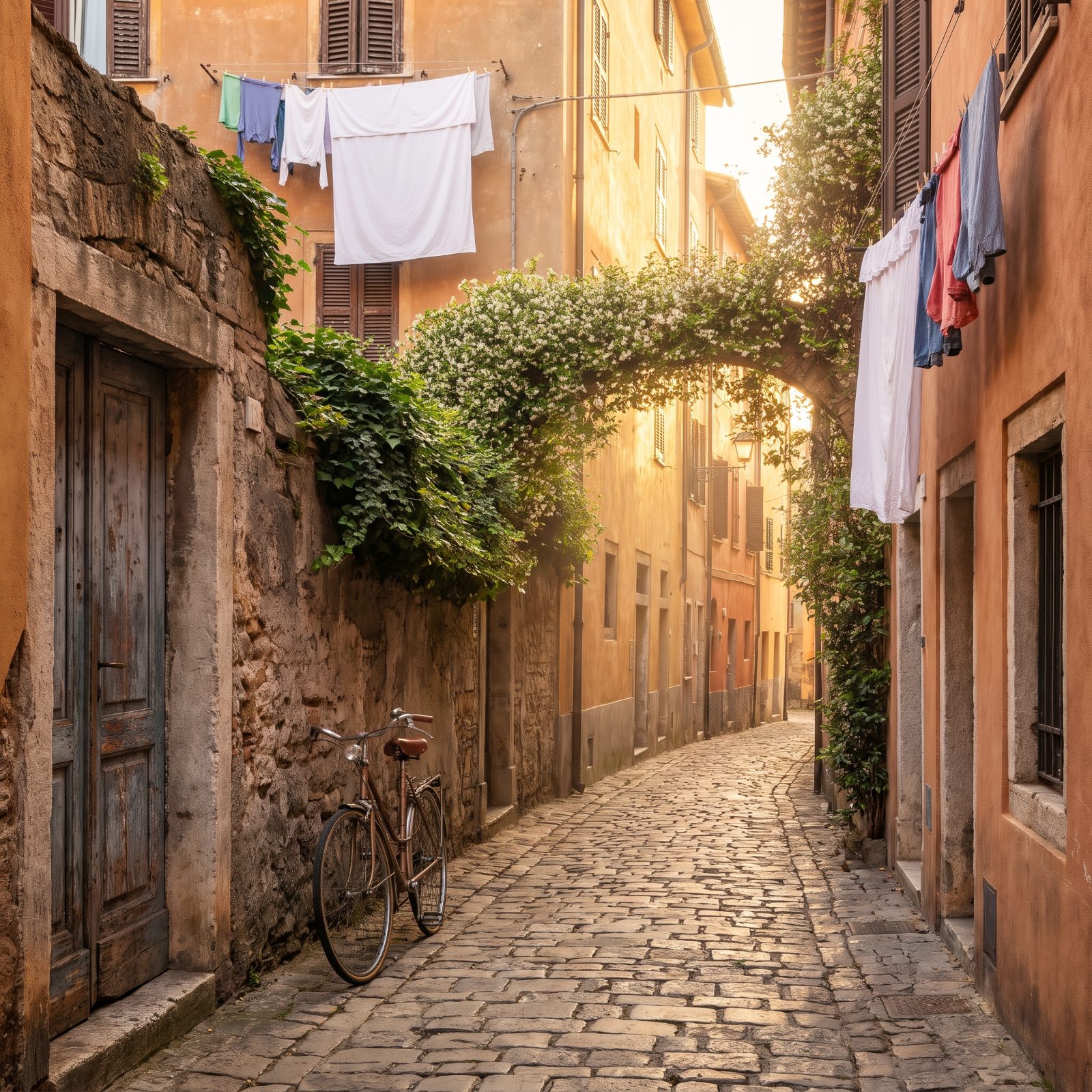
One alley does it. Worn cobbles, a blue door, jasmine spilling over a wall, a bicycle leaning like it’s been there a century. Inside thirty seconds you’ve scripted an entire life — the little bakery you’d hit every morning, the neighbors who’d know your name, the slower and wiser person you’d somehow become if you lived on this one street.
You built all of that from a doorway. This is projection, pure and simple, and it’s the engine behind every too-fast crush. We pour our wishes into an attractive blank and call the result love. The alley didn’t offer you a life. You handed it one and thanked it for the gift.
The romance is genuine. It just belongs to you, not the alley — which is why the fantasy survives perfectly well even if you never actually move in.
9. A Cheap Direct Flight Makes Lisbon Weirdly More Attractive
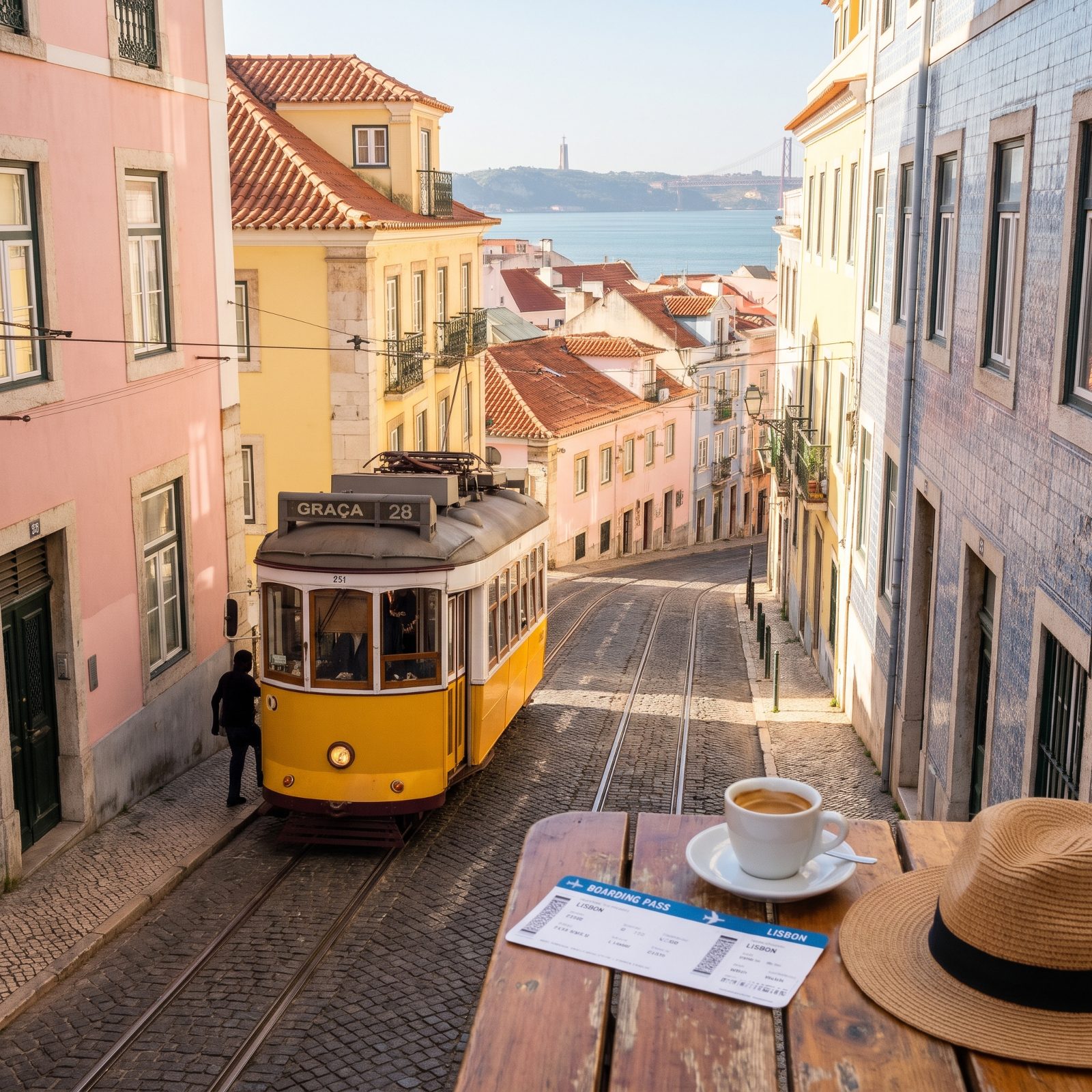
Lisbon wasn’t on your list. Then a direct flight popped up for less than a nice dinner, and suddenly Lisbon is fascinating. The food, the light, the tiles. You’re half convinced it was always your dream city, when really the price tag went first and your heart scrambled to catch up.
We dress up a practical bargain as a true desire all the time. The easy option becomes the beloved one, and our reasons quietly rearrange themselves afterward to make the choice feel like destiny instead of a discount. Same logic behind the convenient romance: the person nearby becomes the person you wanted, because wanting what’s easy beats admitting it’s just what was available.
And Lisbon really is wonderful. The cheap flight was right about that. You’re allowed to be swayed by convenience — just know it’s doing the steering, so you don’t mistake a good deal for a grand love.
8. One Free Welcome Drink Makes the Resort Feel Generous
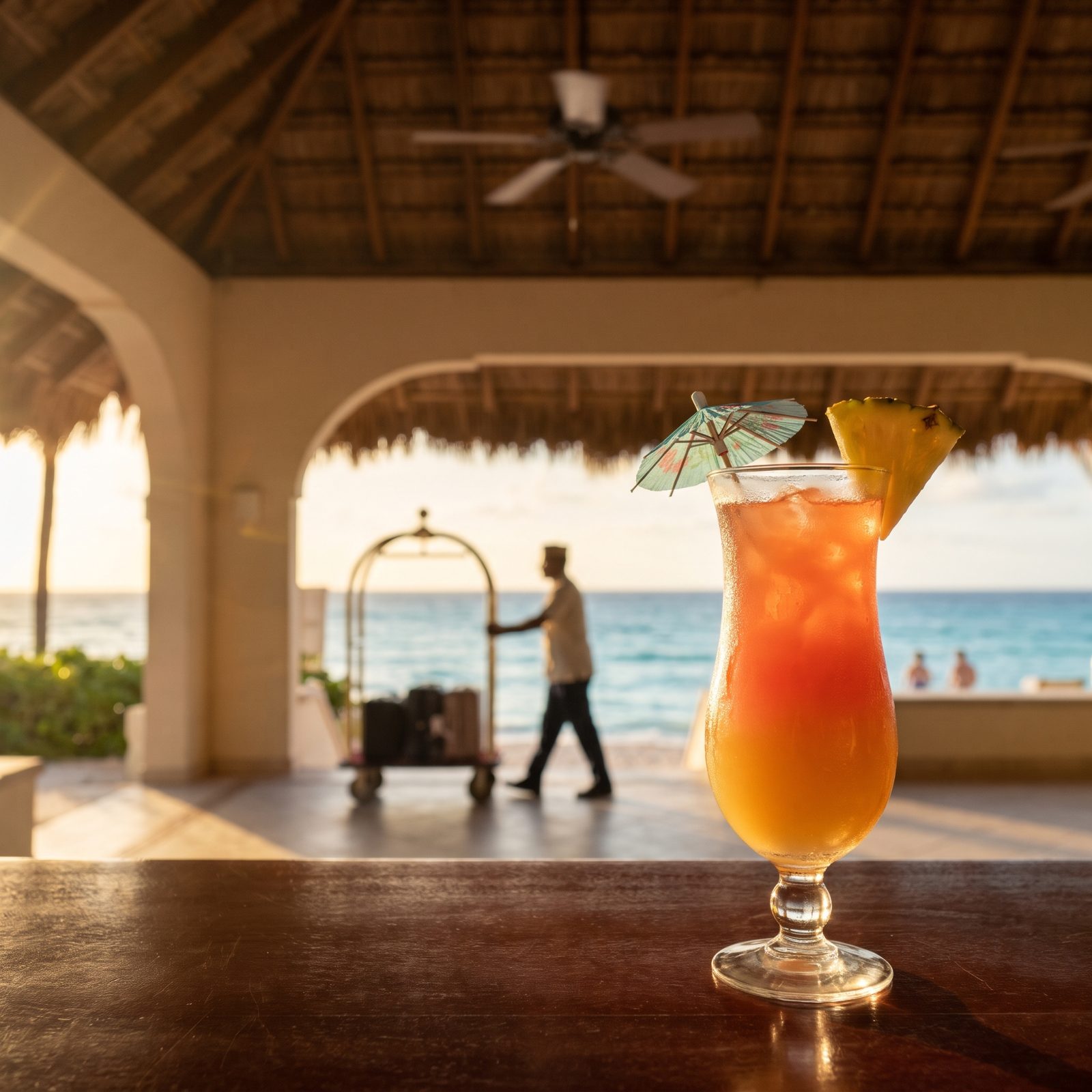
You roll in sweaty and jet-lagged, and before you’ve signed a single thing someone presses a cold rum punch into your hand. Suddenly the whole place feels classy and kind. You tip generously, and you give the bellhop a warmer smile than you’ve managed for most relatives this decade.
Same wiring that makes you think better of a stranger who holds a door or remembers your name. That drink cost the resort maybe pocket change. What it bought was the reciprocity instinct — the deep human pull to repay a kindness, even a tiny staged one. Robert Cialdini built half his life’s work on exactly this: a small gift tilts you toward yes on the bigger ask down the line.
And here the bigger ask is your entire opinion of the hotel. You’ve been nudged into the role of grateful guest before the front desk has even dug up your reservation. A good first gesture doesn’t just please you. It recruits you.
7. You Read Past Three Warnings to Find One Rave
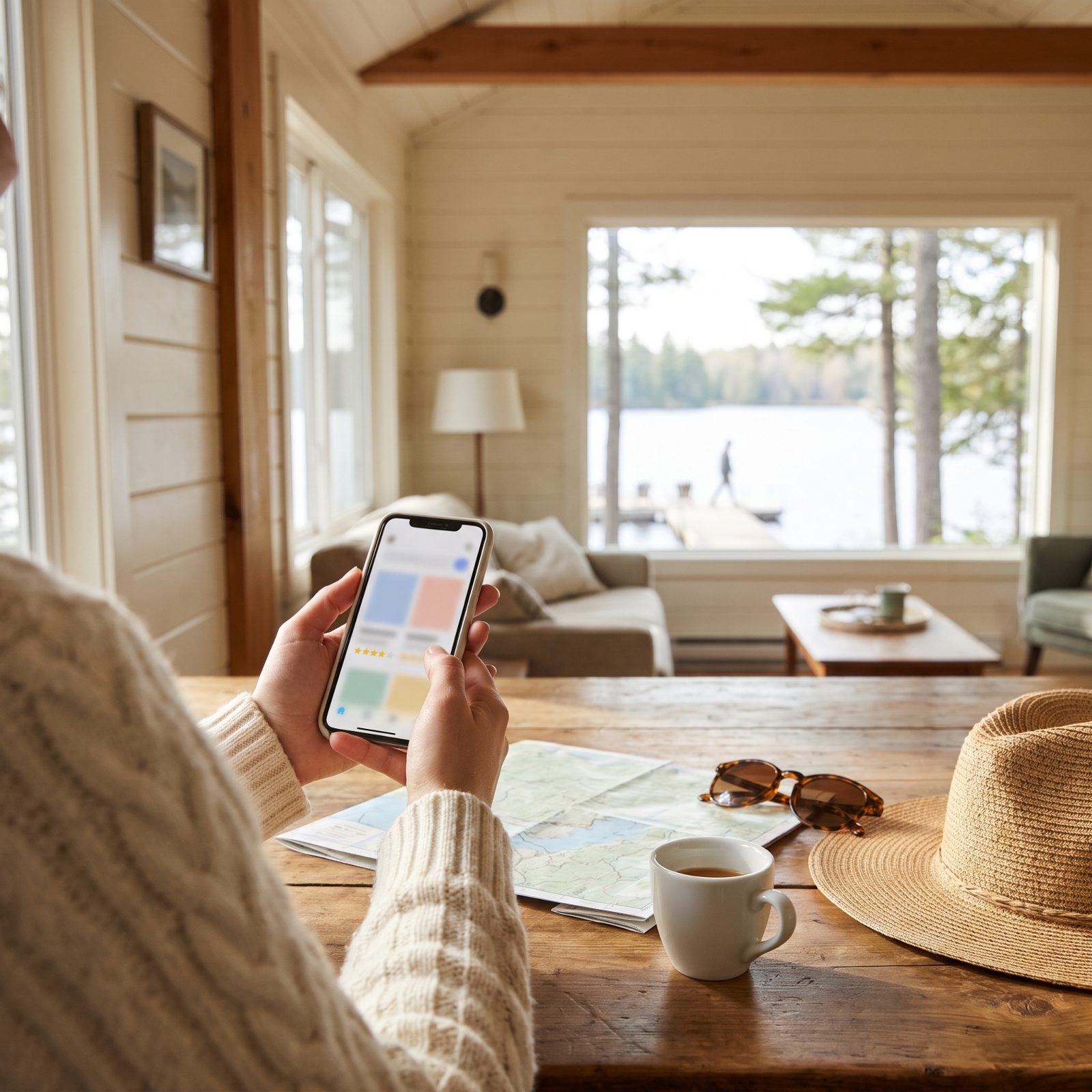
Twelve reviews in, the picture is clear. Thin walls, a front desk that vanishes after nine, a pool “under renovation” for the third straight summer. Then you hit the one that says “magical, we cried when we left” — and that’s the one you believe. Booked by midnight.
We pull this trick on people too. Three friends raise an eyebrow about someone, that someone fires off one charming text, and the eyebrows no longer matter. It’s confirmation bias in a sun hat. You wanted this place the second you saw the photos, so you went hunting for permission, and any review that grants it gets promoted to gospel.
The warnings didn’t disappear. You just filed them under “picky travelers” and scrolled on. Your brain isn’t weighing evidence here — it’s building a case for the thing it already decided to want.
6. You Rename Bad Wi-Fi as Authentic Island Charm

The Wi-Fi drops every eight minutes. At home you’d be on the phone with your provider using words you wouldn’t repeat in church. Here? You lean back, sip the coffee, decide the place is wonderfully unplugged. Off the grid. The way travel used to feel.
Same generous editing we do early in any romance, when the chaotic schedule becomes “spontaneous” and the never-answered texts become “mysterious.” The flaw stays exactly the same size. Only the label changes, and the label changes to protect the feeling.
Psychologists call it motivated reasoning. You’ve already burned the money and the vacation days, so your mind quietly reframes the annoyance into a feature. The dead connection becomes proof of how far you’ve gotten from your real life — which was the whole idea, wasn’t it?
5. You Forget to Ask Whether Your Knees Like Hills
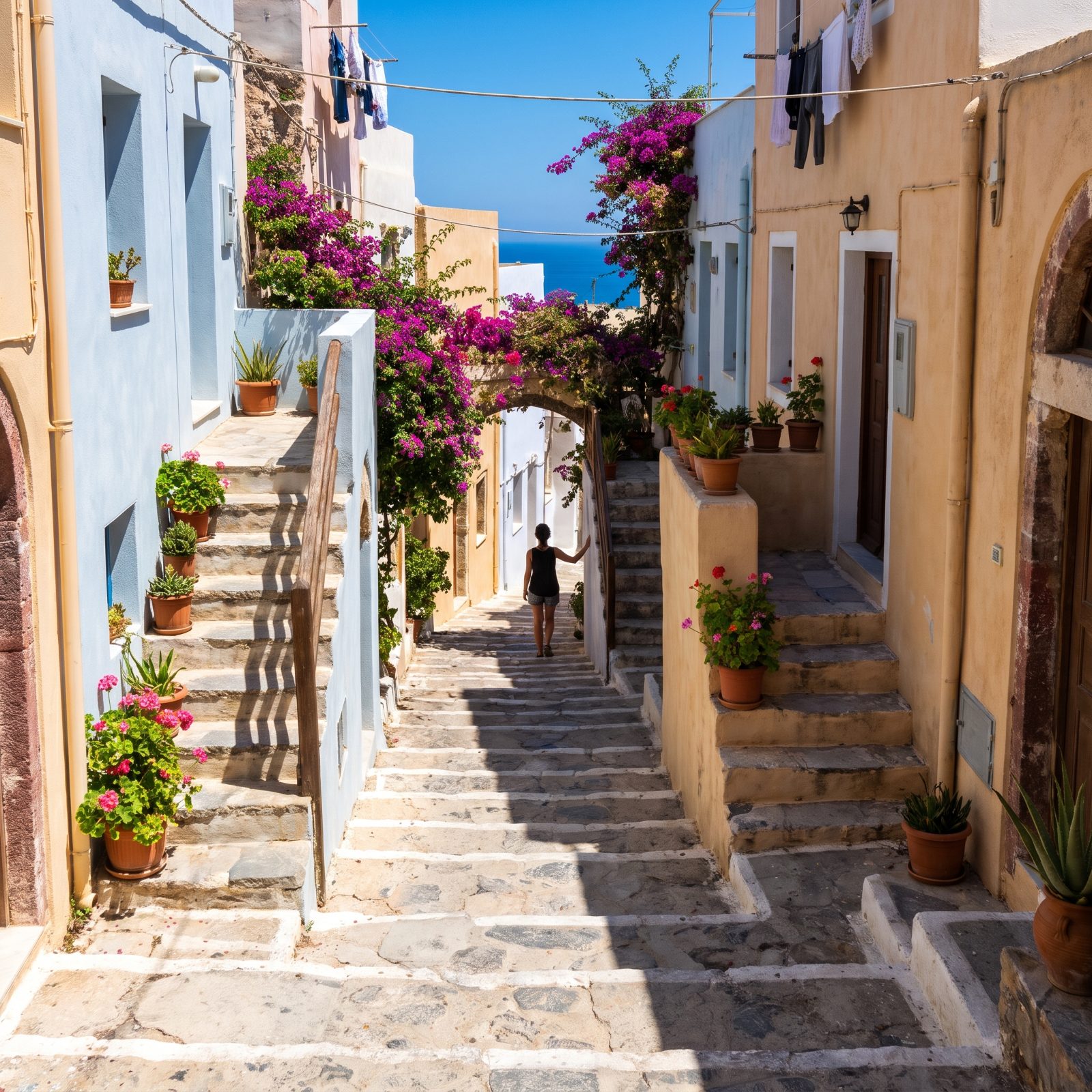
The listing said “charming hillside village.” What it meant was two hundred stone steps, no elevator, and a cobblestone grade that openly laughs at wheeled luggage. You pictured the view. You did not picture your calves by day three, or the suitcase you’d be hauling up like you’re moving somebody’s piano.
Same move we make falling for a highlight reel of a person. You imagine the great dinners and the easy weekends and skip clean past whether the day-to-day actually fits the life you’ve got.
Call it the planning fallacy spiked with pure optimism. The brain pictures the best version of a future it hasn’t lived yet, then quietly deletes the logistics. Charm photographs beautifully. It rarely comes with a handrail.
4. You Book Hurricane Season and Picture Only Blue Skies

The flights are half price and the resort practically throws in an upgrade. Somewhere in the back of your head you know why it’s cheap in September. But you keep scrolling the brochure photos — all cobalt water and cloudless sky — and you decide you’ll be the lucky one who lands the good week.
The same optimism that makes someone marry the charming wild card, dead certain they’ll be the exception to a very old pattern. Everyone else got rained on. You’ll get sun.
Behavioral folks call it the optimism bias — that stubborn conviction that bad outcomes happen to other people. The deal is cheap precisely because the risk is real. The price is the market telling you the plain truth, and you just can’t hear it over the sound of imaginary waves.
3. The Passport Stamp Matters Almost as Much as the Place

Be honest. Part of the appeal of the trip is getting to say you took it. The stamp in the passport, the pin on the map, the quiet little thrill of adding one more country to the count.
That’s identity signaling, plain as day — the same engine behind why some people chase the impressive partner over the kind one. The relationship, or the destination, turns into a thing you get to have been to.
None of that makes the place any worse. But it does explain why you’ll defend a mediocre city with real heat if the city’s name sounds good dropped into a sentence. You’re not defending the streets. You’re defending the version of yourself who went there, and that version is a tiny trophy. Trophies are murder to be objective about.
2. One Perfect Sunset Erases an Entire Mediocre Weekend

The hotel was fine. The food was slow. The town, honestly, a little dull. Then on the last evening the sky caught fire over the water, you stood at the railing with a glass of wine, and now — telling the story back home — the whole weekend was “incredible.”
Blame the peak-end rule, Daniel Kahneman’s finding that we judge an experience almost entirely by its most intense moment and by how it ended, never by the flat hours in between. One great crescendo at the finish quietly rewrites the whole average.
Relationships run on the exact same arithmetic. A rocky few months, one unforgettable night, and suddenly the entire stretch gets remembered fondly. Memory isn’t a ledger. It’s a highlight reel, and the final frame carries far more weight than it has any right to.
You don’t remember the weekend. You remember the sunset, and then you call that the weekend.
1. Nonrefundable Flights Make You Defend the Destination Harder

The second the booking turns nonrefundable, something shifts in you. A friend mentions a bad review of your hotel and you bristle. You start arguing for the place, hard, like its honor is somehow your honor. You’ve got skin in the game now, and the game is being right.
Sunk cost — the one bias almost everyone has heard of and almost nobody actually escapes. You can’t claw the money back, so your mind decides the decision must have been a good one and defends it against all comers. The more it cost, the louder the defense gets.
Which is exactly why people stay in things long past the point of sense. Years invested start to feel like a reason to invest still more. Money spent on a trip feels like a reason to insist the trip will be wonderful. Admitting you booked wrong feels like lighting cash on fire, so you don’t. You double down and call it confidence.
Please note that some of the imagery in this article were created with the aid of AI image generators.