
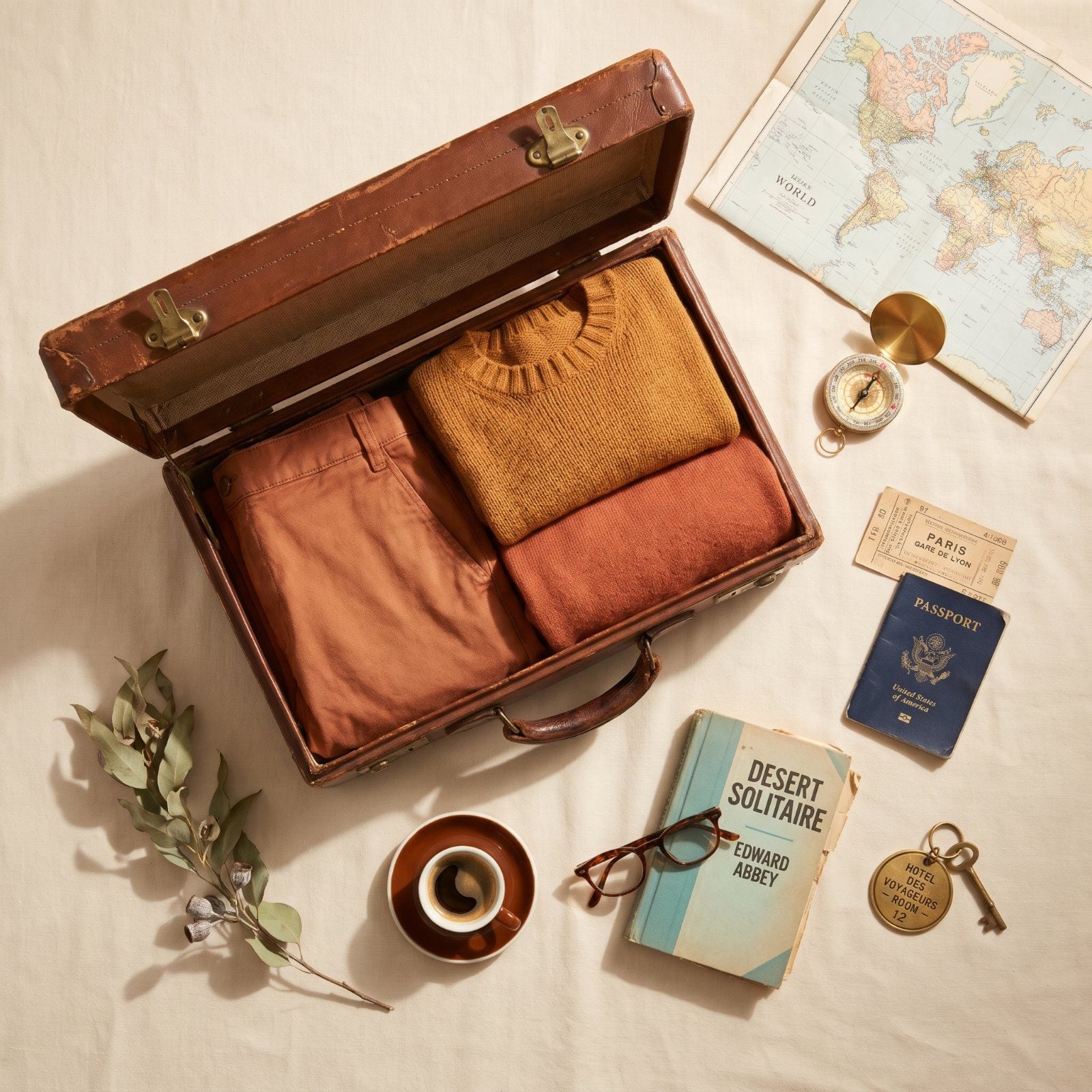
The first solo trip after a long relationship ends tends to begin the same way: at a kitchen table, a half-filled cart on the laptop screen, one finger hovering over a flight that leaves in six weeks. Nobody feels ready. People book it anyway.
That’s the part worth noticing. Traveling alone and rebuilding a life after love walks out run on the same emotional machinery — the same nerves, the same small victories, the same 4pm wobble where everything suddenly feels like a mistake. One happens in airports and strange streets; the other happens on an ordinary Tuesday at home. Below you’ll find the behaviors that show up in both, plus the quiet psychology underneath them. You’ve lived at least a few of these. Probably more than you’d admit over coffee.
13. You Book the Flight Before You Feel Ready
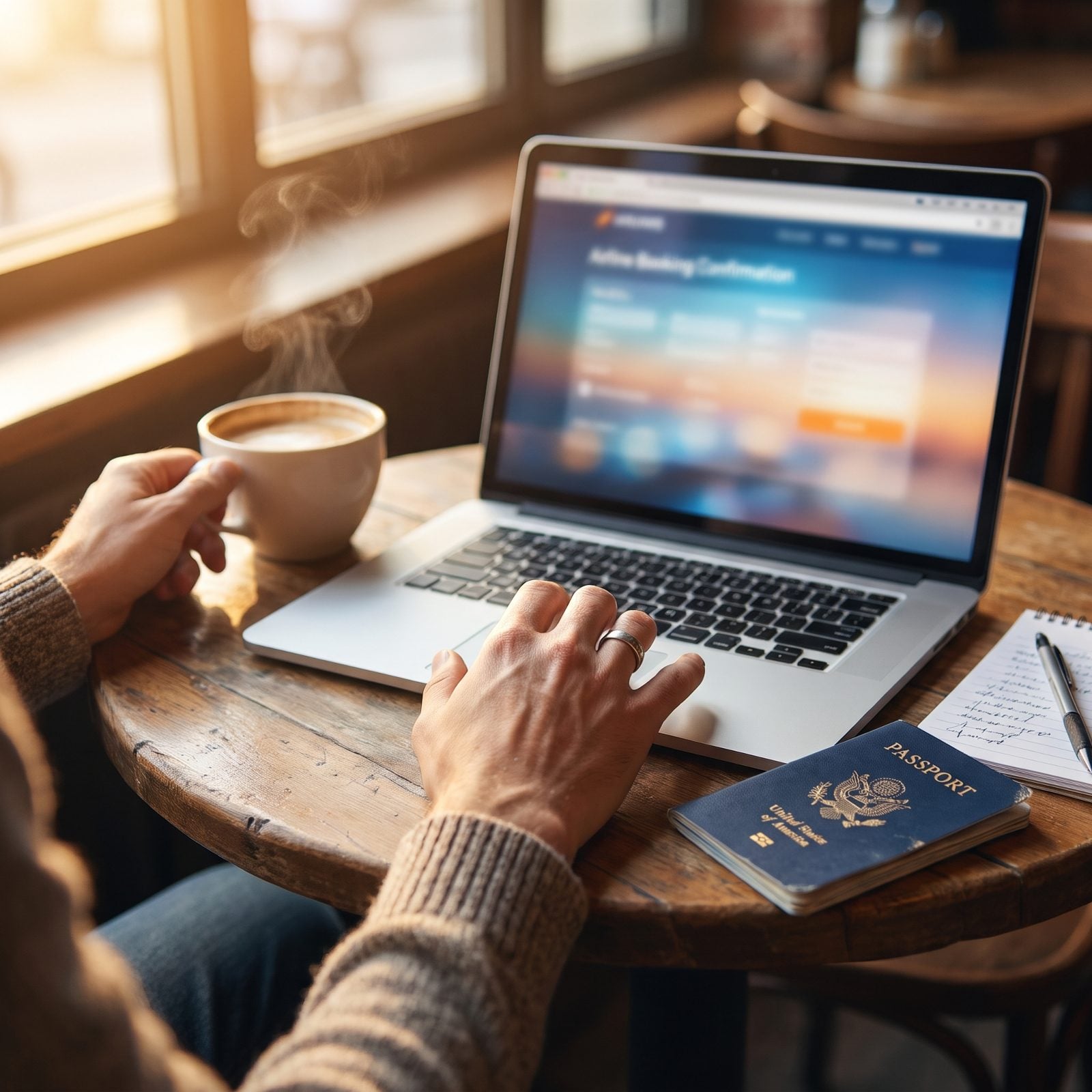
Nobody books a solo trip feeling ready. You book it terrified and do it anyway, finger shaking a little over the confirm button, half hoping the price will change its mind for you. Then it’s done. Non-refundable. And somewhere under the panic there’s a strange flicker of relief, because now you have to go.
Rebuilding after a breakup works the exact same way. You don’t wait until you feel healed to start — you can’t. You take the job, say yes to the dinner, sign the new lease while your hands are still unsteady. The readiness was never going to arrive first.
12. You Overpack Because Familiar Things Feel Safer
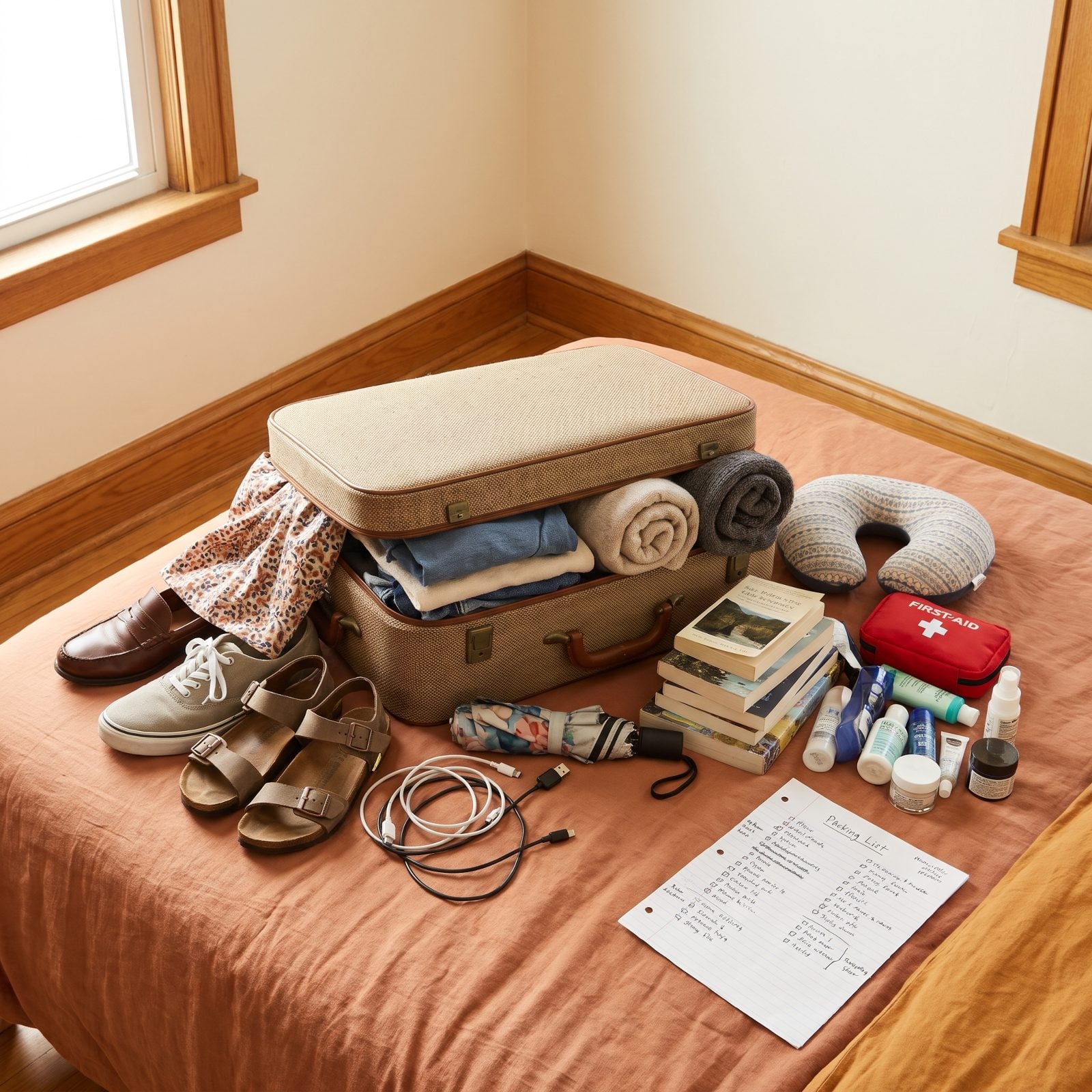
You’re going for ten days and packing like the airline lost your old life. Two extra pairs of shoes you won’t wear. The sweater from home that still smells like your couch. A book you’ve already read twice. You know you won’t need most of it, and you bring it anyway, because the weight in the bag is weight you can control.
After a split, the house fills with the same comfort ballast. The old mug, the playlist, the route to work you’ve driven a thousand times — none of it strictly necessary, all of it steadying.
11. You Pick the Window Seat Without Negotiating
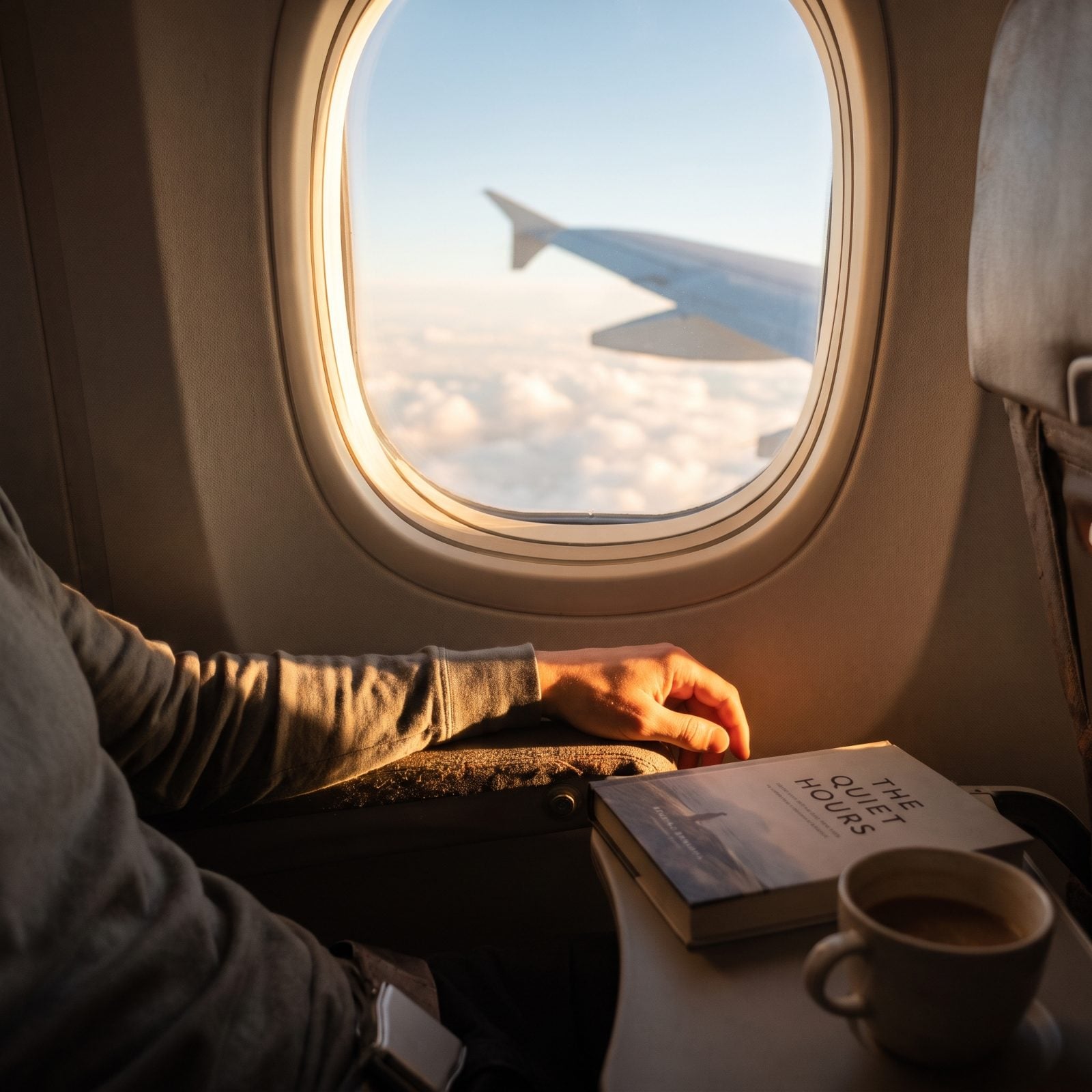
A small freedom sneaks up on you here. You book the window seat and don’t ask anyone — no trade, no “are you okay with the aisle,” no splitting the difference to keep the peace. You want the window, so you take it. You press your head against the cold plastic and watch the ground drop away, and it’s entirely, selfishly yours.
That’s the muscle you rebuild after years of compromise. Choosing the restaurant. Painting the wall the color they hated. Setting the thermostat where you like it. Tiny preferences you’d quietly surrendered, reclaimed one at a time.
It feels almost absurd how good it is. A window seat should not count as reclaiming a self. But after long enough negotiating every small thing, picking without permission is a quiet rush.
10. Table for One Takes Practice Before It Feels Normal
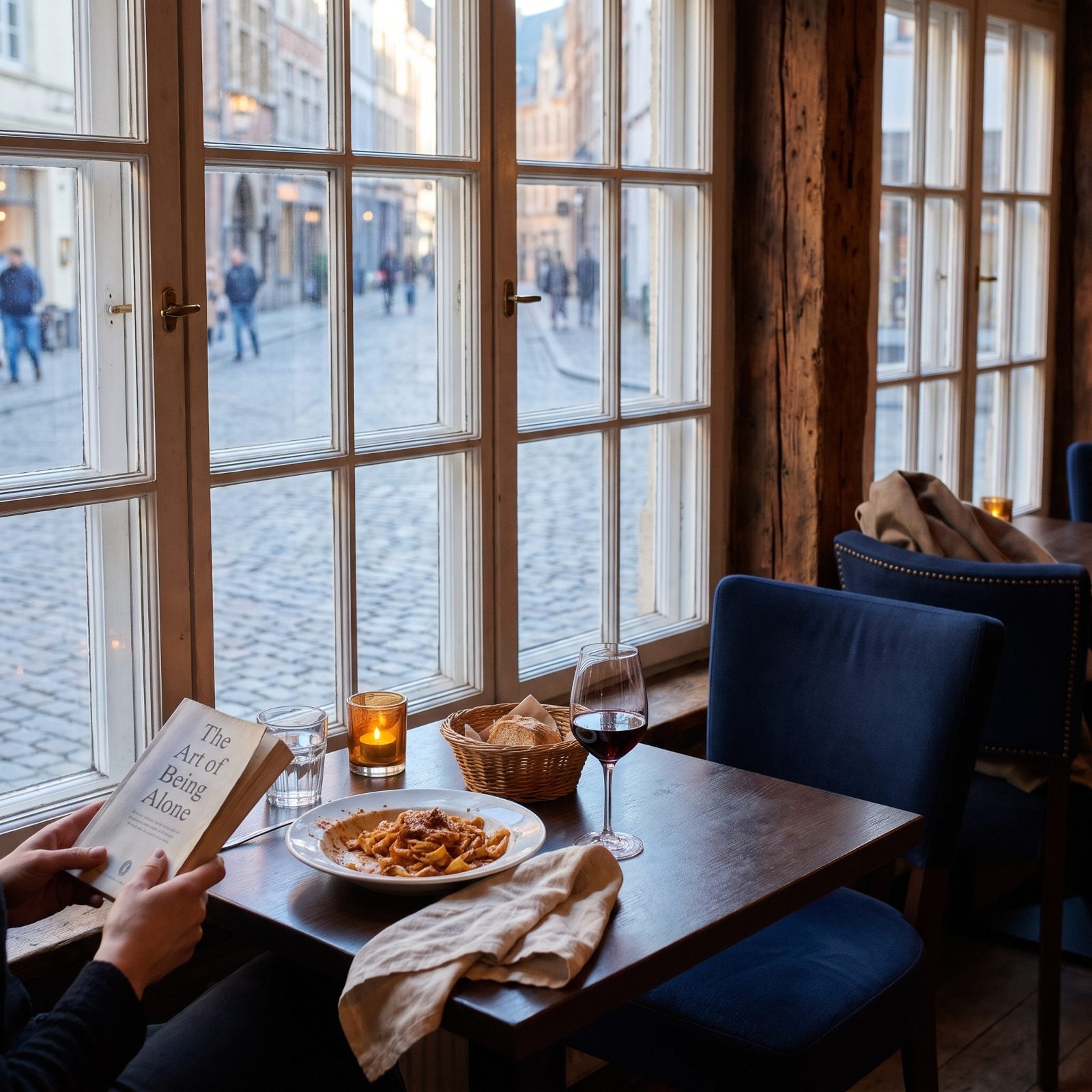
The first solo dinner is an exercise in not fidgeting. You bring a book as a shield, check your phone too much, feel the empty chair across from you like it’s staring. You rush the meal, skip dessert, ask for the check early, certain the whole room has clocked the person eating alone.
Nobody noticed. They never do. And by the third night you’re ordering the second glass of wine and lingering over it, watching the street, perfectly fine.
Rebuilding a life after someone leaves is the same slow calibration. The first solo Saturday feels like a verdict. The tenth feels like Saturday.
The empty chair stops being an accusation and starts being an invitation to take up a little more space.
9. You Check Your Phone When the View Hits Hard

You round a corner and there it is: the valley, the sea, the cathedral lit up gold. Your first instinct isn’t to breathe it in. It’s to reach for the phone — not to photograph it, to send it. To someone. Anyone. Because a view this good feels incomplete until it’s witnessed, and for years the witness was built in.
After a breakup, that reflex is one of the sharpest. You see something funny, feel a win, read a headline, and your thumb starts moving toward a name that isn’t there anymore.
8. You Discover Loneliness Can Follow You Through Customs
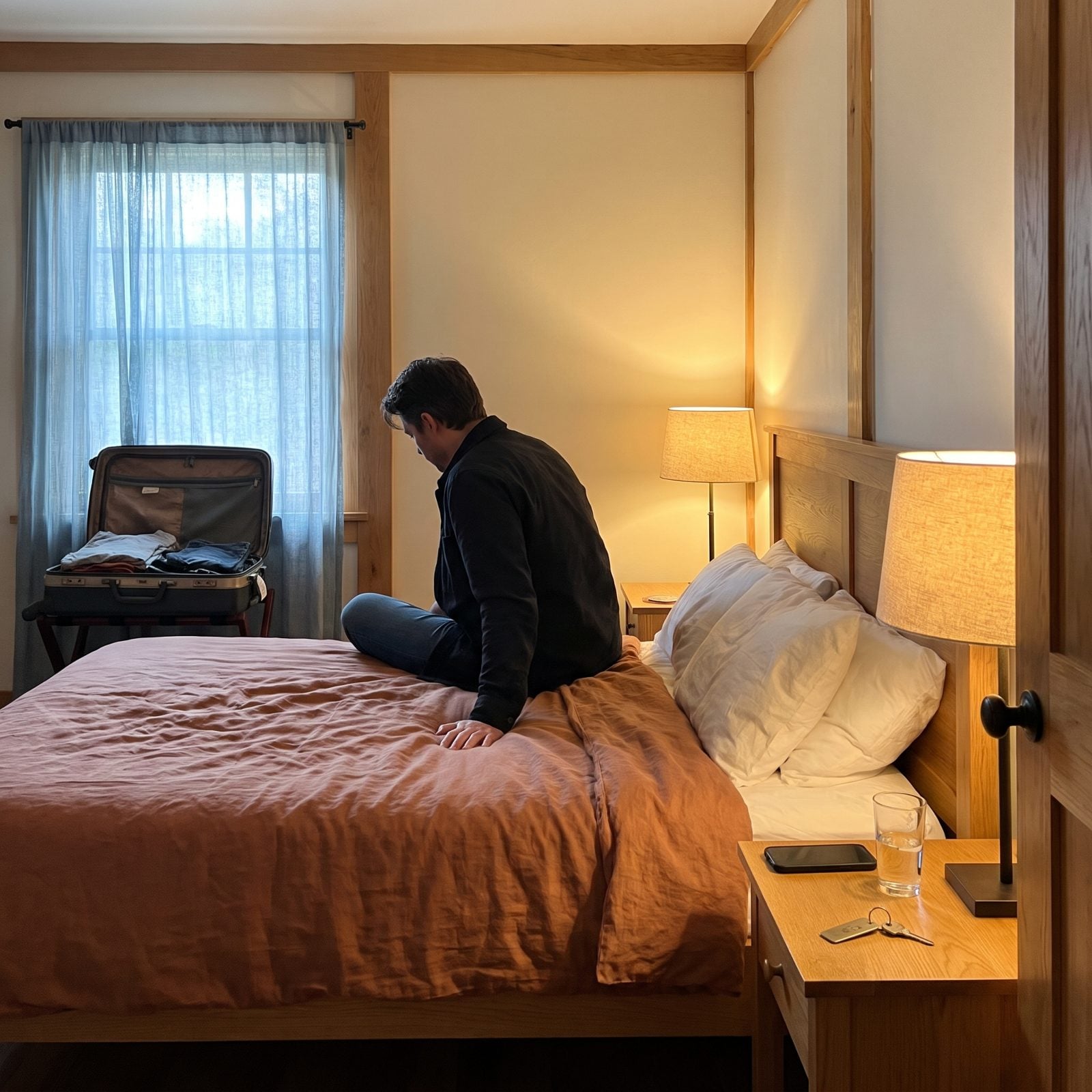
There’s a myth that if you just get far enough away, the heavy feeling stays behind at departures. It doesn’t. You can stand in the most beautiful city on earth, in a square that took five hundred years to build, and feel the exact same hollow you felt in your own kitchen. The loneliness had a passport too. It sat two rows back the whole flight.
This is the hardest lesson of both solo travel and starting over, and the most useful. Distance relocates the feeling; it doesn’t resolve it. The work is internal, and it travels at the speed of you.
Once you stop expecting the new view to fix the old ache, something shifts. You let the place be a place, not a cure. And oddly, that’s when it starts to help.
7. One Bad Afternoon Makes the Whole Trip Feel Doomed

The train was late, the museum was closed, lunch was mediocre and overpriced, and now it’s raining and the map is dissolving in your hand. By 4pm you’ve decided the entire trip was a mistake, you should never have come, and you’re already drafting the text about cutting it short. One bad afternoon, and the whole adventure is condemned.
Then the next morning is golden and you can’t remember why you were so sure.
Life after a breakup does this constantly. A single rough evening, one lonely Sunday, and suddenly the whole new chapter reads like proof you’ll never be okay again.
6. Every Missed Train Becomes Your Problem to Fix
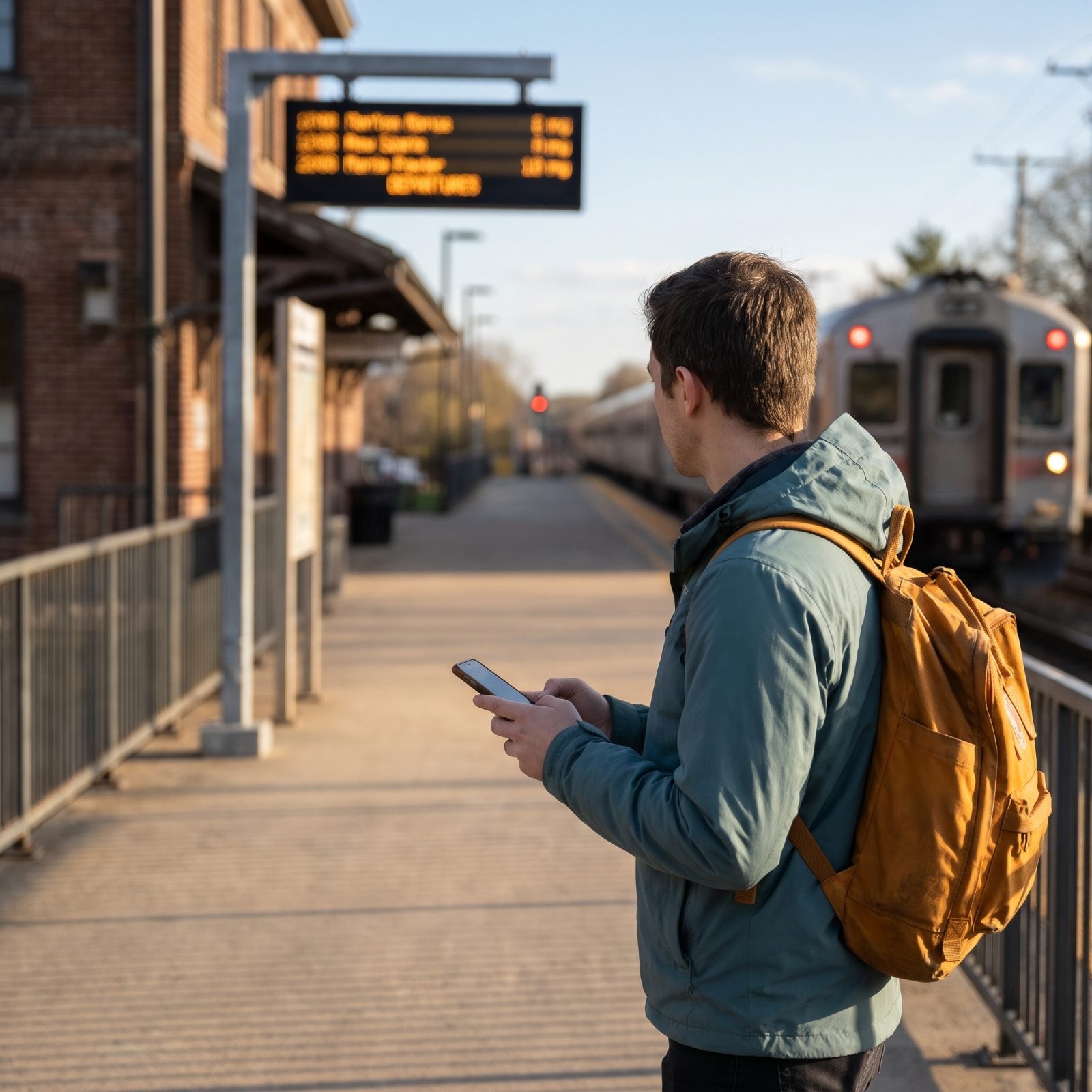
The train pulls away with your seat on it and there’s no one to turn to. No one to say “you handle the rebooking, I’ll find the platform.” The lost reservation, the wrong turn, the pharmacy closed on a Sunday — all of it lands on you and only you. Nobody splits the load. So you figure it out, one problem at a time, because the alternative is standing on the platform forever.
Running a household alone for the first time is the same unglamorous crash course. The leaky faucet. The car that won’t start. The bill you didn’t know was in both names. All yours now.
Here’s what nobody warns you about, though. Solving a hundred small crises alone quietly rewires your sense of what you can handle. You stop waiting to be rescued because you’ve become the person who shows up. That competence is yours to keep, long after the trip ends.
5. You Build Tiny Rituals Around Coffee and Check-In

By day three you have a routine, and you didn’t plan it. The same corner cafe, the same corner table, the same espresso and the five minutes with your journal before the day starts. Then the nightly ritual of checking into the next place, unpacking the same three things in the same order, laying out tomorrow’s socks. Little anchors you dropped without thinking.
Rebuilding a solo life, you’ll invent the same scaffolding. The Sunday walk. The one good mug. The way you wind down at night now that no one’s routine competes with yours.
4. A Hotel Upgrade Feels Like Permission to Spoil Yourself

The front desk slides your key across and says they’ve put you in a nicer room. Bigger bed, better view, the kind of bathroom you’d never book for yourself. And something in you softens, because it feels like permission — like the universe looked at you traveling alone and decided you’d earned a little more.
You start saying yes to the rest of it too. The good bottle of wine. The dessert. The massage you’d have talked yourself out of a year ago.
Starting over gives you the same strange, late discovery: you’re allowed to be good to yourself without someone else’s sign-off. Nobody’s keeping score of your spending anymore. Nobody’s raising an eyebrow at the splurge.
3. You Chat With Strangers You’d Ignore Back Home
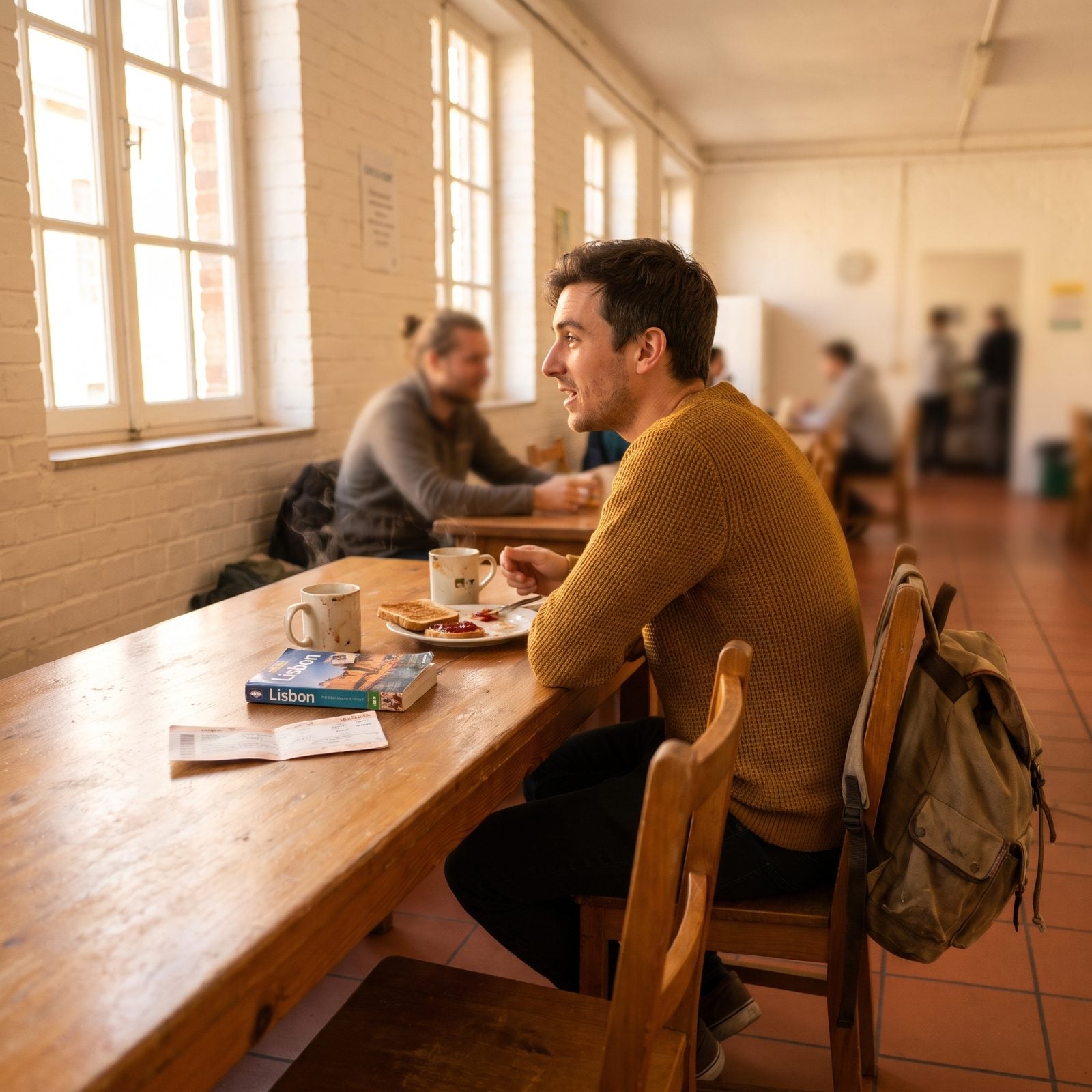
Something shifts the second you cross a border alone. The woman at the next cafe table becomes a person you ask for a restaurant tip, and forty minutes later you know about her divorce, her kids, and the real reason she came to Porto. Back home? Eyes on the phone, opinions to yourself.
It’s the same reflex that kicks in after a breakup, when the acquaintance you half-knew for a decade suddenly becomes the person you text at 11pm. You strike up conversations in grocery lines and accept the invitation you’d normally skip. When your usual circle scatters, something in your wiring goes hunting for connection wherever it can find it.
Psychologists call this the stranger-on-a-train effect. We open up faster to people we’ll never see again because the risk is gone — no history to protect, no reputation to manage. The anonymity isn’t lonely. It’s permission.
2. A New City Lets You Try On New Habits
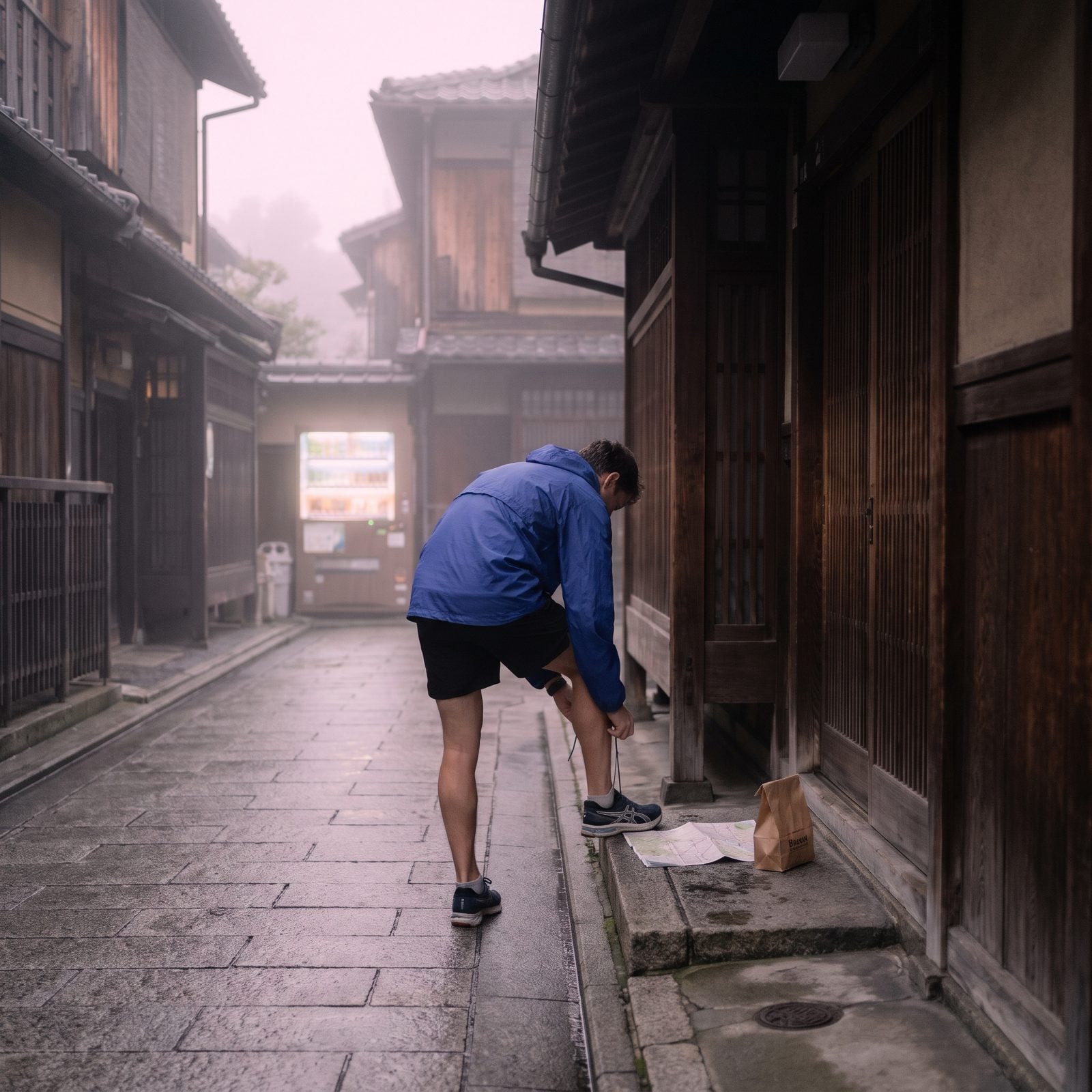
You never eat breakfast at home. But here, in a city that doesn’t know you, you’re the kind of person who sits with a pastry and watches the street wake up. You run in the mornings. You order the thing you can’t pronounce. For ten days you become a slightly better draft of yourself.
Rebuilding after a split works exactly this way. The old routines belonged to a couple, and now there’s a vacancy you fill with the gym membership, the cooking class, the early bedtime you always meant to keep. No audience remembers the old you. That, it turns out, is the whole point.
Nobody here knows the version of you that always said no.
Researchers call it the fresh-start effect. Temporal landmarks — a new city, a new chapter, a Monday — make the past self feel like a stranger, which frees you to act like someone else entirely. The habit was never impossible. It just needed a place where the old rules didn’t apply.
1. You Leave Itinerary Gaps for Whatever Happens Next
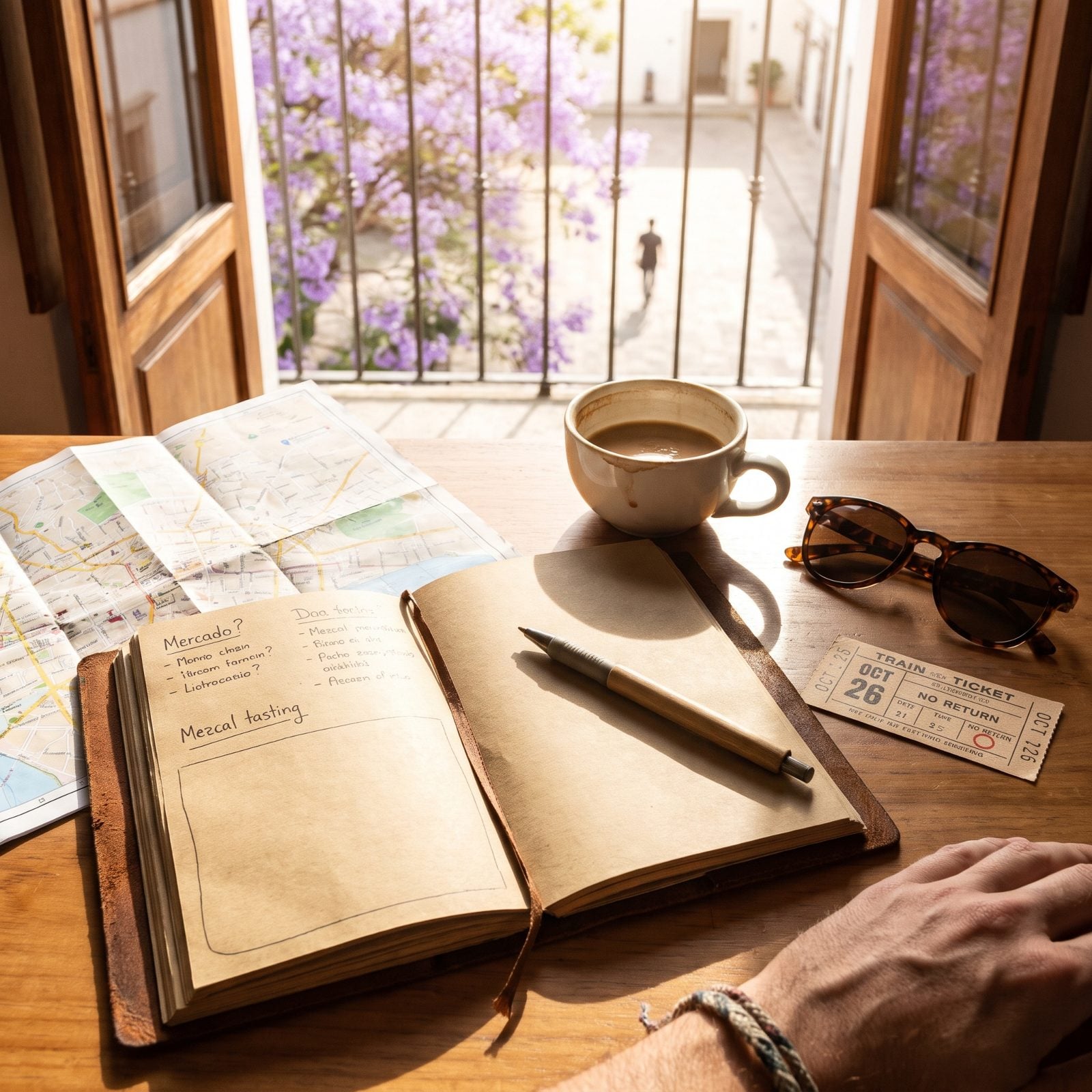
The over-planners among us used to schedule vacations down to the dinner reservation. Then solo travel loosened the grip. You started booking the flight and the first two nights and leaving the rest blank, trusting that a conversation or a flyer or a wrong turn would hand you the afternoon.
Rebuilding a life after someone leaves demands that same tolerance. You can’t map year three when you’re still surviving week three, so you learn to hold the calendar loosely, to say yes to the dinner you didn’t see coming, to let the next chapter show up instead of wrestling it into a spreadsheet.
There’s real psychology under the discomfort. Rigid planning is often a grab for control when control feels scarce, and loosening your grip actually lowers the anxiety it was supposed to manage. The empty afternoon isn’t wasted. It’s the only space where surprise can find you.
Please note that some of the imagery in this article were created with the aid of AI image generators.