
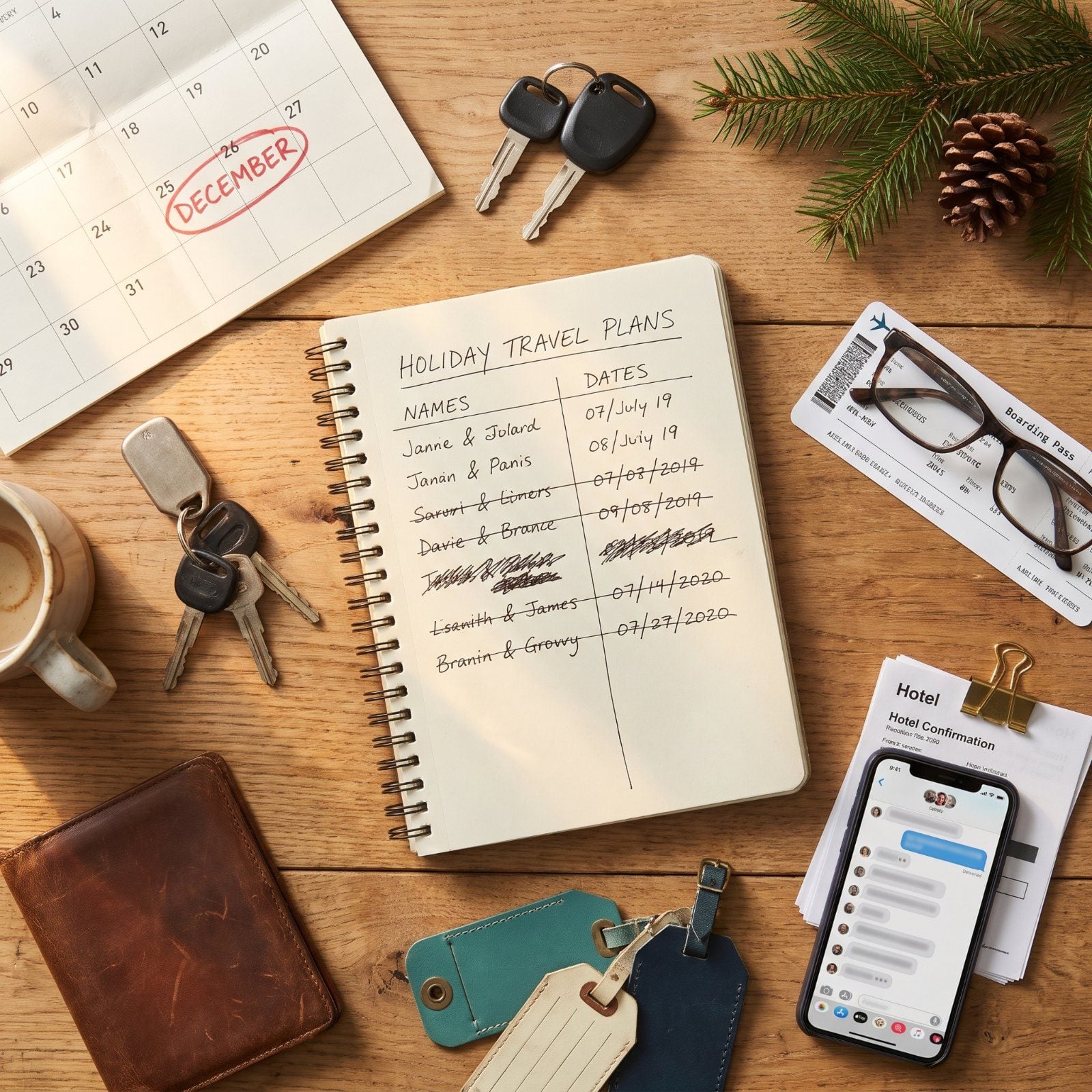
Somebody always suggests the lake house. Somebody else wants the mountains. A third person goes quiet, which everybody knows means they already booked their own thing and aren’t telling you yet. Holiday travel wears the mask of a getaway, but underneath it runs on the same machinery as a full-blown family reunion: a dozen moving parts, three generations with different bedtimes, and one person who ends up doing all the work. We’ve all been that person. What follows is the whole beautiful, exhausting operation, broken down the way it actually happens.
26. Choosing a Destination Without Starting a Family Feud

Every family has a destination it keeps proposing and never actually visits. The beach house that’s too far for half the group. The cabin with one bathroom and seven people. Picking a place has almost nothing to do with geography and everything to do with managing who feels heard.
Nobody admits the loudest voice in the room usually isn’t the one with the strongest preference — it’s the one most afraid of being overruled. Give that person a small win early, and the whole negotiation loosens. Let them pick the town while you lock the dates.
25. Finding Dates That Work for Everyone

There is no date that works for everyone. There’s only the date that works for the fewest complaints, and accepting this will save you three weeks of email threads.
The cousin with the new job can’t take time off, the in-laws have their own thing on the 23rd, and somebody’s kid has a recital. You are not scheduling a vacation. You’re solving a seven-variable equation where every variable has feelings and a strong opinion about Tuesdays.
24. Starting a Group Chat That Never Stops Buzzing

The group chat is where plans go to live and die at the same time. Somebody names it something cute. Somebody mutes it by day two. Somebody keeps replying with a thumbs-up to messages from four hours ago.
The real function of the chat isn’t logistics — it’s proof everyone’s still in. A message ignored for a day doesn’t mean trouble. Thirty-one unread with zero reactions, though? That’s a family quietly backing out, one by one. You learn to read the silence like weather.
23. Watching the Headcount Change by the Hour

You confirm forty-five. Then a cousin asks if she can bring her new boyfriend, an aunt’s flight falls through, and someone’s teenager decides at the last minute they’re coming after all — which changes the rental size, which changes the budget, which changes everything.
We’ve learned to never finalize a headcount more than once. You finalize it the day you pay, not a moment sooner. Everything before that is a draft, and treating a draft like a contract is how you end up renting space for fifty when fifty-three show up and somebody’s sleeping on a loveseat.
22. Having the Awkward Budget Conversation

Money is the one subject families would rather ski into a tree than discuss. But somebody has to say the number out loud.
The mistake is waiting until the trip is booked to talk cost. By then the budget-conscious relative is trapped, resentful, and quietly keeping score in a ledger only they can see. Name the range before anything is reserved. “We’re looking at roughly this much per person, does that work?” is a sentence that saves friendships.
The cheapest thing you can do is talk about money early. The most expensive thing is not talking about it at all.
21. Chasing Relatives Before Reservation Deadlines

The deadline is Friday. By Wednesday you’ve heard from four of the eleven. By Thursday night you’re sending the same message with escalating punctuation, and this is the part of family travel that turns a mild-mannered relative into a collections agency.
What actually works: stop asking “are you still in?” and start saying “I need your yes by 6pm or I’m releasing your spot.” Soft questions get soft answers. A clear deadline with a consequence gets a response.
20. Booking Enough Rooms, and Deciding Who Gets Which One

The master suite is the throne, and every family has unwritten rules about who deserves it. Oldest generation? The couple who booked it? The one paying the most? Get this wrong and you’ll hear about it for the whole trip, usually at breakfast.
Nobody says the quiet part out loud: room assignments are a status map of the family. The teenager stuck on the pull-out knows exactly where they rank. Assign rooms before anyone arrives, so no one has to watch the deliberation happen in real time at the front door.
19. Coordinating Planes, Trains, and Automobiles
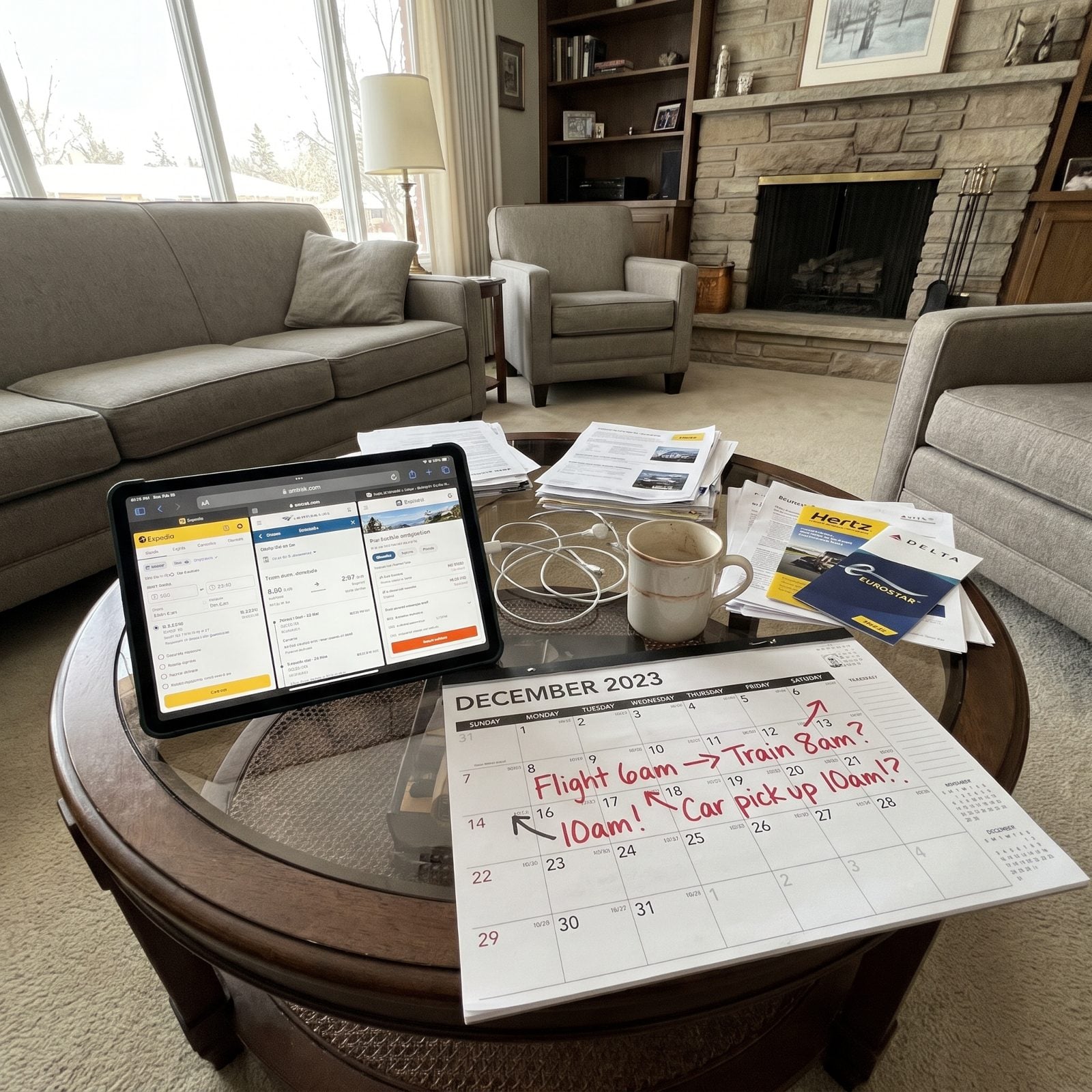
One family flies. One drives eight hours. One takes the train because they swear it’s more relaxing, then texts the group chat about the delay the entire way. Three modes of transport, three timelines, and one shared arrival window that exists only in theory.
Here’s the hard truth about multi-mode travel: you cannot control any of it. The flight gets delayed, the highway backs up, and the train does whatever trains do. All you can actually manage is expectations, so build a soft arrival day with nothing scheduled and let people trickle in.
18. Organizing the Airport Pickup Relay
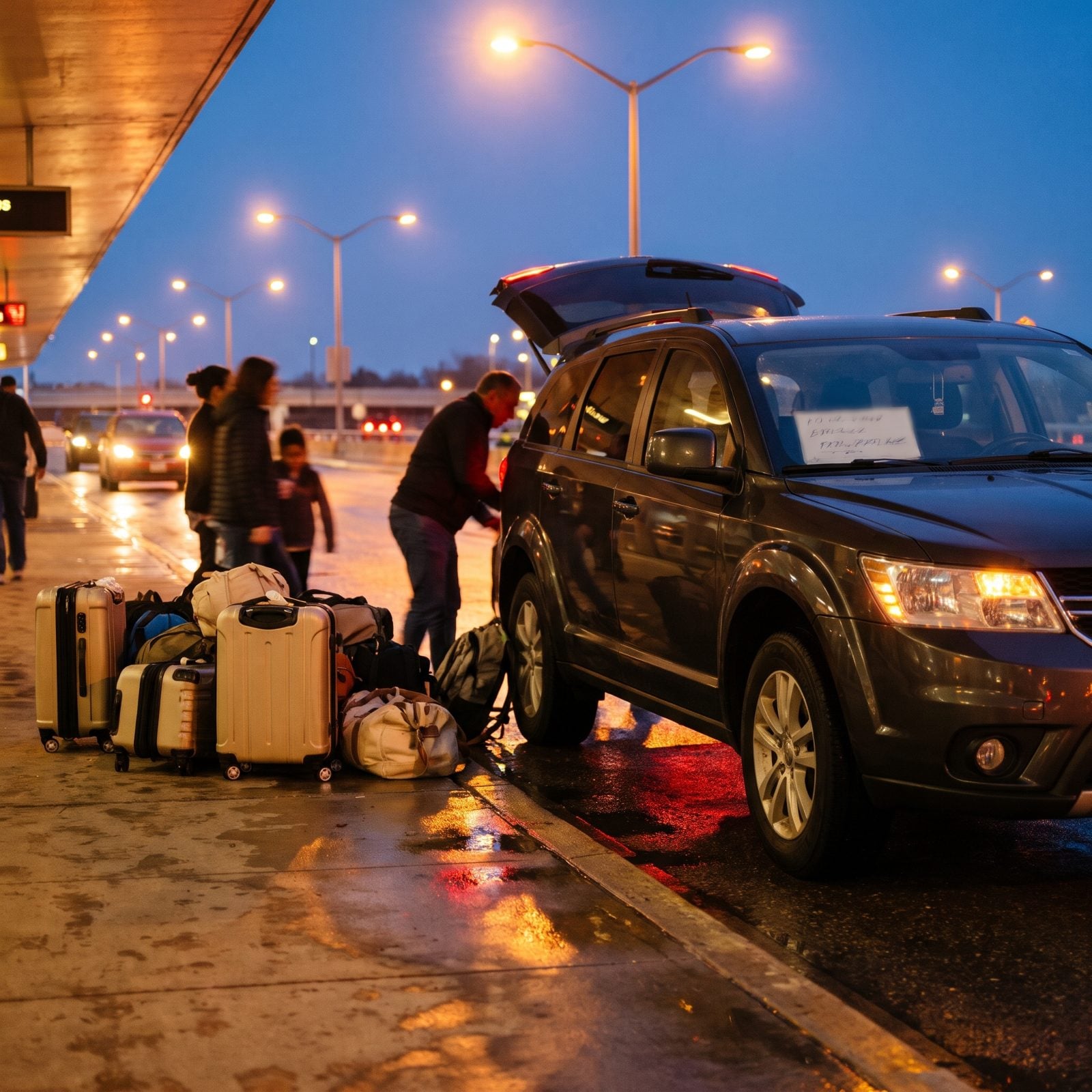
The 2pm arrival, the 4:30 arrival, the 9pm arrival that gets bumped to 11. One car. One driver who volunteered and is now deeply regretting it. A logistics puzzle with real human cargo and no margin for error.
You’ve watched someone circle the arrivals loop a fourth time because a flight landed early and nobody updated the group. The fix is boring and it works: a shared live flight-tracking list, and one person who owns the schedule. Not a committee. One person.
17. Making Sure the Destination Is Accessible

Everybody’s excited about the view from the third-floor deck until Grandpa can’t make it up the stairs. Accessibility is the planning step most families skip, and it quietly decides whether the oldest and youngest actually get to join in.
Ask the unglamorous questions before you book. How many stairs to the front door? Is there a bathroom on the main floor? Can a stroller fit through the hallway? A reunion that includes everyone is the only reunion worth coordinating. Everything else is just a trip some of the family took.
16. Deciding What Happens to Everyone’s Pets
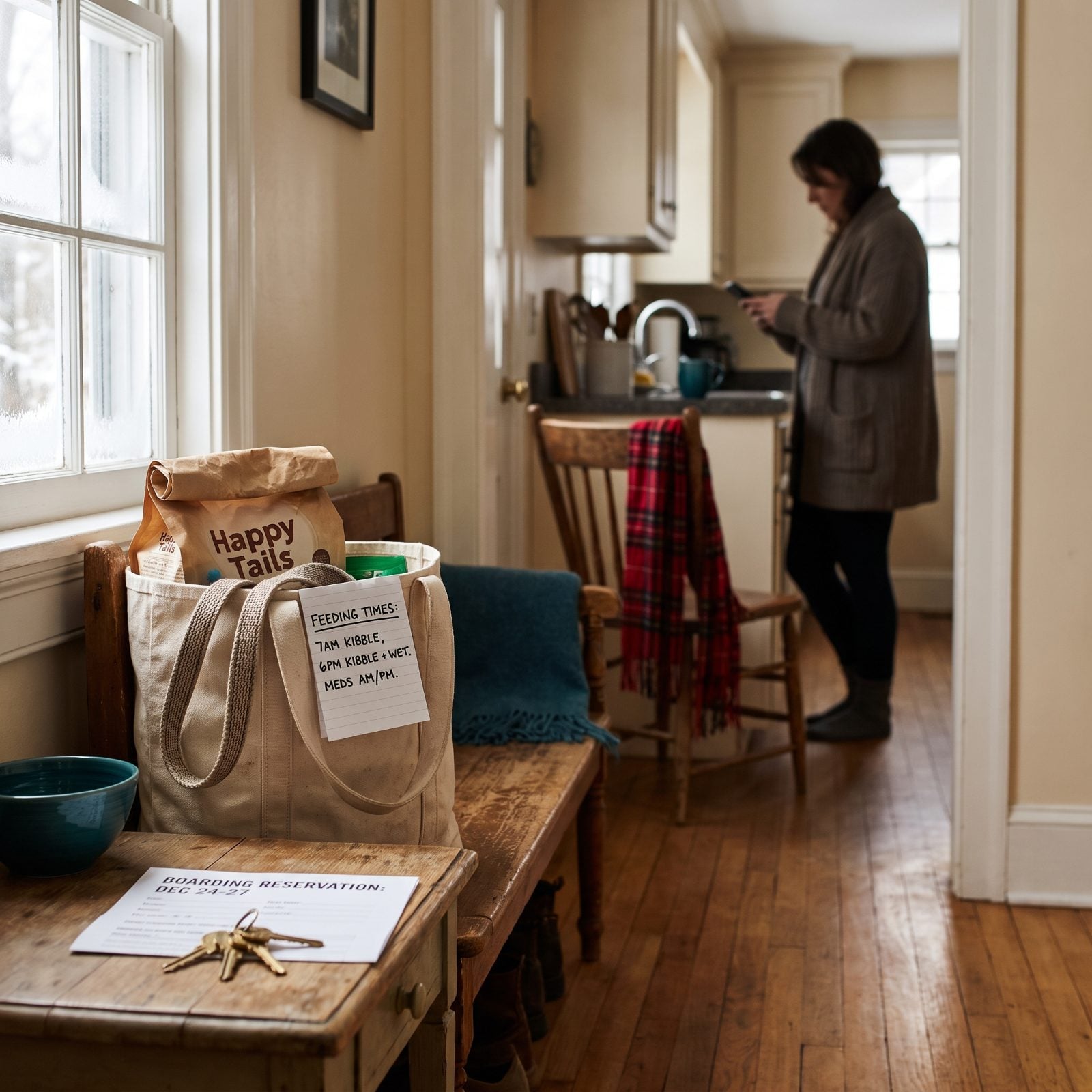
The dog is the first casualty of every holiday plan. Before a single flight gets booked, somebody has to answer the question nobody wants: who takes the animals.
Kennels fill up by early November, the reliable neighbor already has plans, and the cousin who offered last year is suddenly unreachable. So you end up paying a pet sitter more per night than your own hotel room costs. And you tip them, because you’re terrified they’ll quit mid-week.
Then the emotional part sneaks up on you. You spend three days fretting over a creature who will have forgotten you were gone by the time you turn the key in the lock.
15. Planning Around Naps and Early Bedtimes

Every family with small children travels on a hidden clock, and that clock does not care about your dinner reservation.
You know the moment. It’s four in the afternoon, the sightseeing is finally good, and a two-year-old melts down on a bench because the window closed twenty minutes ago. The whole group reroutes around a nap the way traffic reroutes around a wreck.
The grandparents want everyone together at seven. The parents know seven is the witching hour. Somebody loses that negotiation every trip, and it’s never the toddler.
14. Collecting Dietary Restrictions in Advance

The dietary spreadsheet is the quiet monster of modern holiday travel. One person gluten-free, one keto, a newly vegan nephew, and an uncle who claims he’s allergic to onions but really just dislikes them.
You send the group text in October. Half the answers come back in December, two of them contradict each other, and somebody adds a restriction on the drive over.
A table of twelve means restaurants want headcounts and notes weeks out. By then you’re not planning a meal. You’re running a small catering operation off your phone.
13. Trying to Reserve One Table for the Whole Group

Try booking one table for fourteen in late December. Go ahead. Most places will offer you two tables across the room, a 5:15 seating, or a flat no.
The math is brutal for the restaurant, because a party that large ties up their best real estate for hours and tips unpredictably. So they push you toward the private room with the minimum spend, and suddenly your casual family dinner comes with a contract.
We’ve watched a reunion fracture over which end of the table got the good waiter. One long table feels like togetherness. Two tables feel like a seating decision somebody will remember for a year.
12. Building an Itinerary That Pleases Opposite Personalities

One brother wants a packed schedule from dawn to dusk. One sister wants to read a book on a porch for four days. They are related, they are traveling together, and somebody decided this was a good idea.
The go-getter builds a spreadsheet. The relaxer sees the spreadsheet and feels their chest tighten. So you end up designing an itinerary with built-in exits, where the hikers can hike and the readers can disappear without a fight.
11. Scheduling Downtime Before Everyone Gets Cranky

Nobody schedules the nothing, and the nothing is what saves the trip.
Four days of forced togetherness runs people down faster than any flight. By day three, small comments land hard, someone’s short with a kid, and a squabble about dinner balloons into a squabble about everything.
The fix is unglamorous. Block an afternoon where the plan is no plan, let people scatter to their rooms, let the house go quiet, and watch everyone come back a kinder version of themselves.
We used to think downtime was wasted vacation. Took us years to see it. The quiet afternoon is what makes the loud dinner work.
10. Creating a Bad-Weather Backup Plan

Weather is the uninvited relative who shows up anyway.
You plan the beach day, the hike, the outdoor market, and then a front rolls in and parks over your whole week. A family of ten trapped indoors with no plan is a pressure cooker.
Pack for the rain even when the forecast swears it won’t come. The forecast lies, and it lies most confidently right before it ruins Tuesday.
9. Making Room for Every Branch of the Family’s Traditions
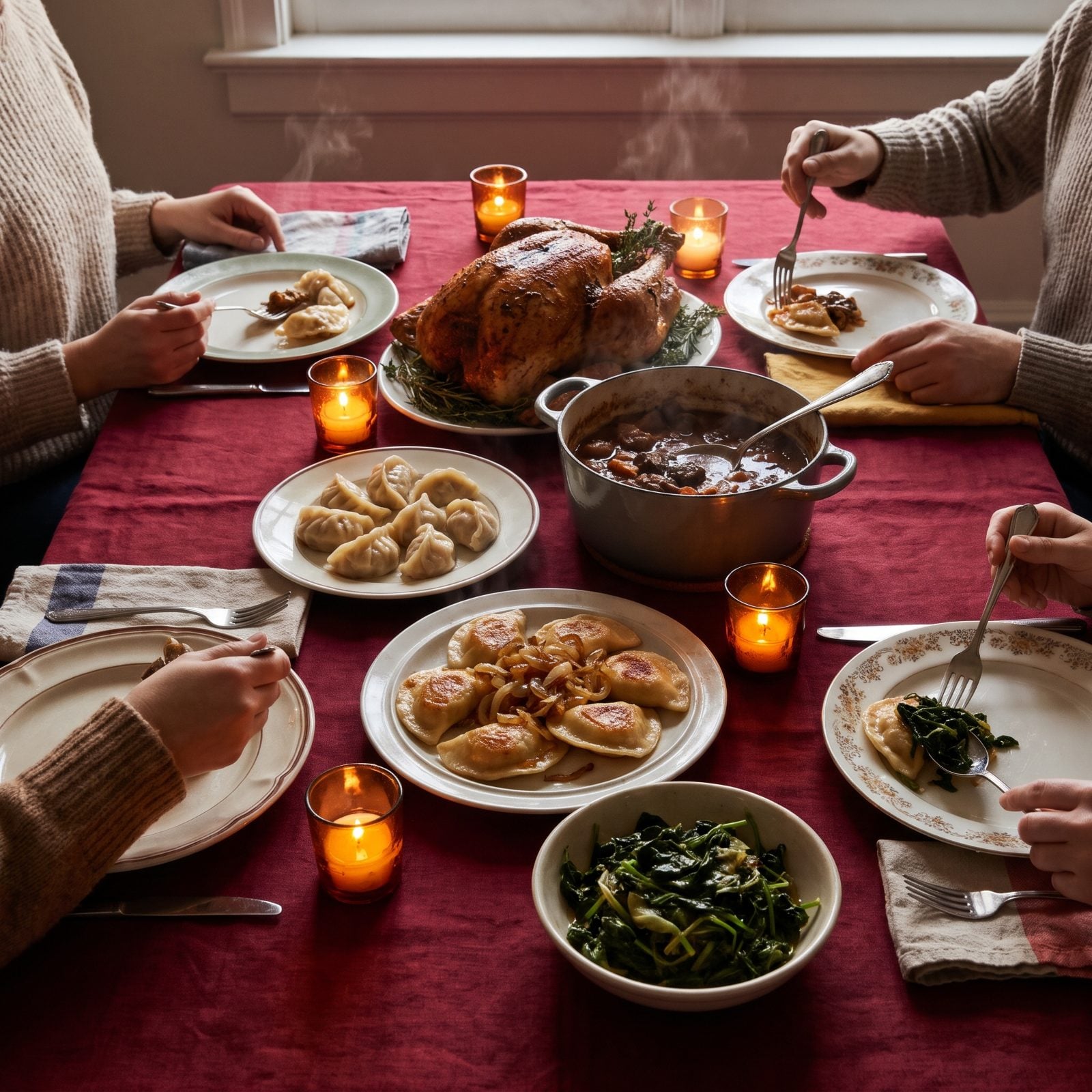
Every branch of a family arrives with its own non-negotiables. One side opens gifts Christmas Eve. The other wouldn’t dream of it before morning. One grandmother’s recipe gets made exactly her way or not at all.
Merging two sets of traditions is diplomacy with casseroles. Drop someone’s ritual to save time and you’ve told them their childhood doesn’t count, and people do not forgive that quickly.
The trick is addition, not subtraction. Make room for both. A longer dinner beats a shorter grudge.
8. Keeping Gifts or Favors Organized and Secret

Smuggling gifts across state lines is an underrated holiday skill.
You have to pack them without a curious kid finding them, transport them without crushing them, and hide them in a house that isn’t yours. Suddenly you’re keeping a logistics spreadsheet of who bought what for whom, all so two aunts don’t show up with the identical sweater.
A gift exchange with names drawn in November falls apart the second one person forgets who they picked. Secrecy is the whole game, and secrecy is exactly what large groups are worst at.
Wrap before you travel. Paper weighs nothing and buys you an evening you’ll want back later.
7. Creating a Seating Plan That Prevents Old Arguments

The seating chart is where family history becomes architecture.
You put the two who argue about politics at opposite ends, keep the recently divorced ones out of each other’s sightline, and seat the grandparent who can’t hear next to the loud talker on purpose. Every chair is a decision with a backstory.
A good seating plan is invisible. Nobody notices the arguments that didn’t happen.
Place a cheerful, neutral person between two known combatants and the whole table relaxes without knowing why. Same instinct that parks a toddler’s high chair right where the tension used to sit.
6. Setting Boundaries Before Close Quarters Test Them
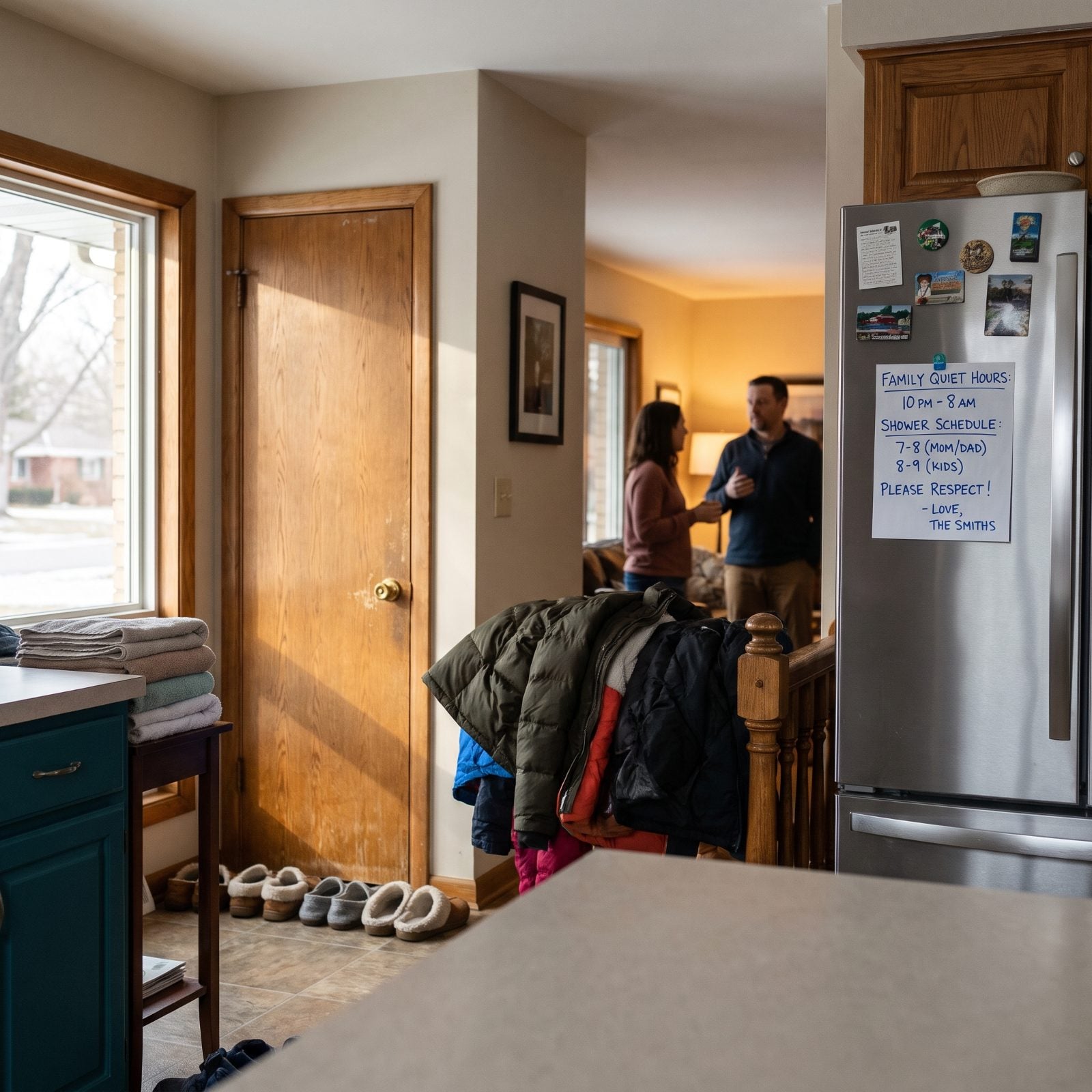
Nobody says it out loud at Thanksgiving, but the real planning starts before anyone packs. Who sleeps where. Who gets the good bathroom. Whether the coffee runs at 6am or stays off until civilized hours. Same math as a family reunion in a rented lake house — eight people, three outlets, one patience.
Say it early and say it kind, because the relatives who assume will steamroll the ones who stayed quiet. A short text thread about the ground rules saves you three arguments you’d rather not have at close range with a carved turkey nearby.
5. Planning Entertainment for Multiple Age Groups
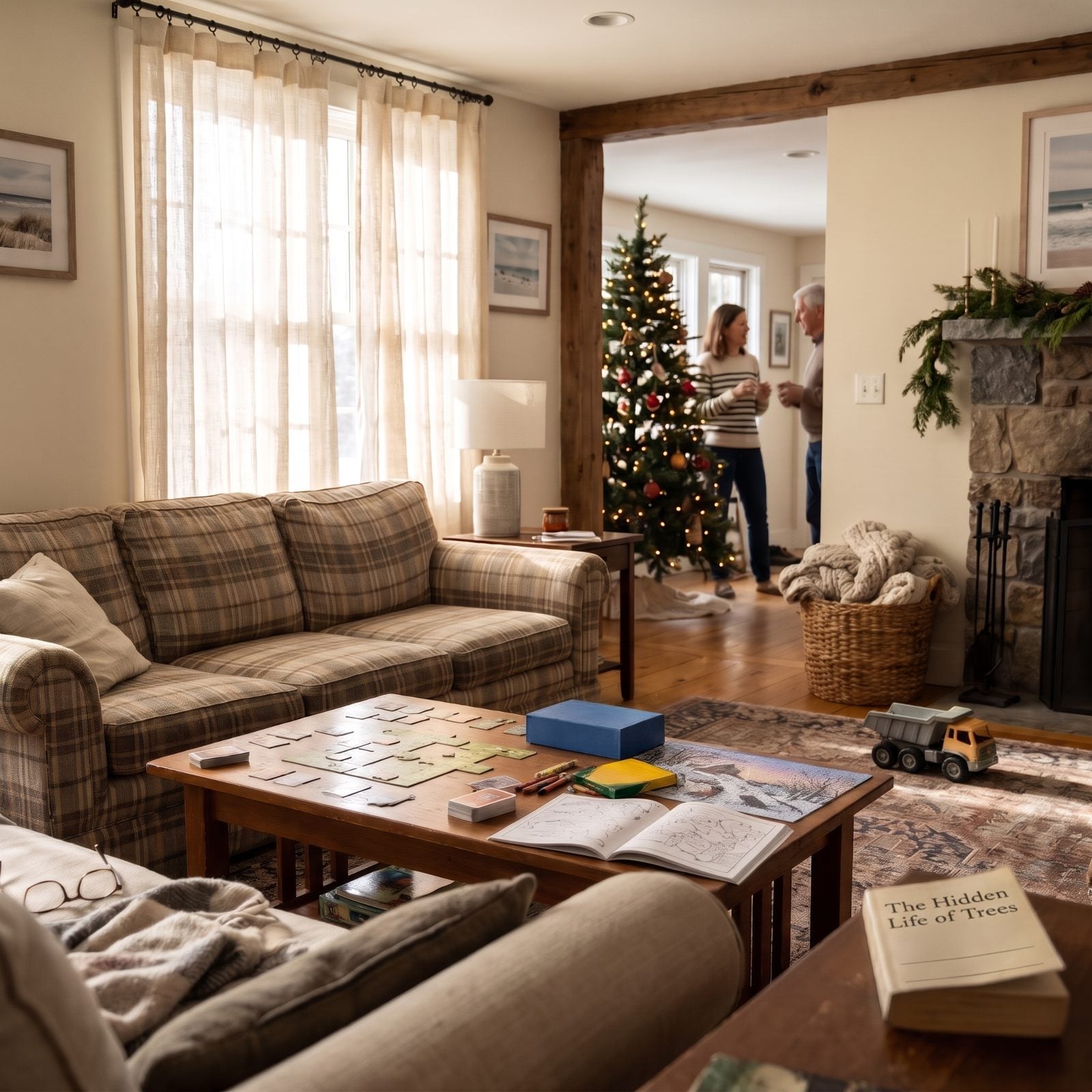
You’ve watched a nine-year-old and an eighty-year-old stare at each other across a room, each waiting for the other to suggest something. That gap is the whole challenge.
One activity never works. The teenagers want their phones, the little ones want to run, the grandparents want to sit and talk. A reunion handles this the way a good holiday does — a few stations, not one agenda. Cards at one table. A puzzle nobody has to finish. A movie for whoever surrenders first. Give people permission to opt out and they’ll surprise you by opting in.
4. Preparing for Lost or Delayed Luggage
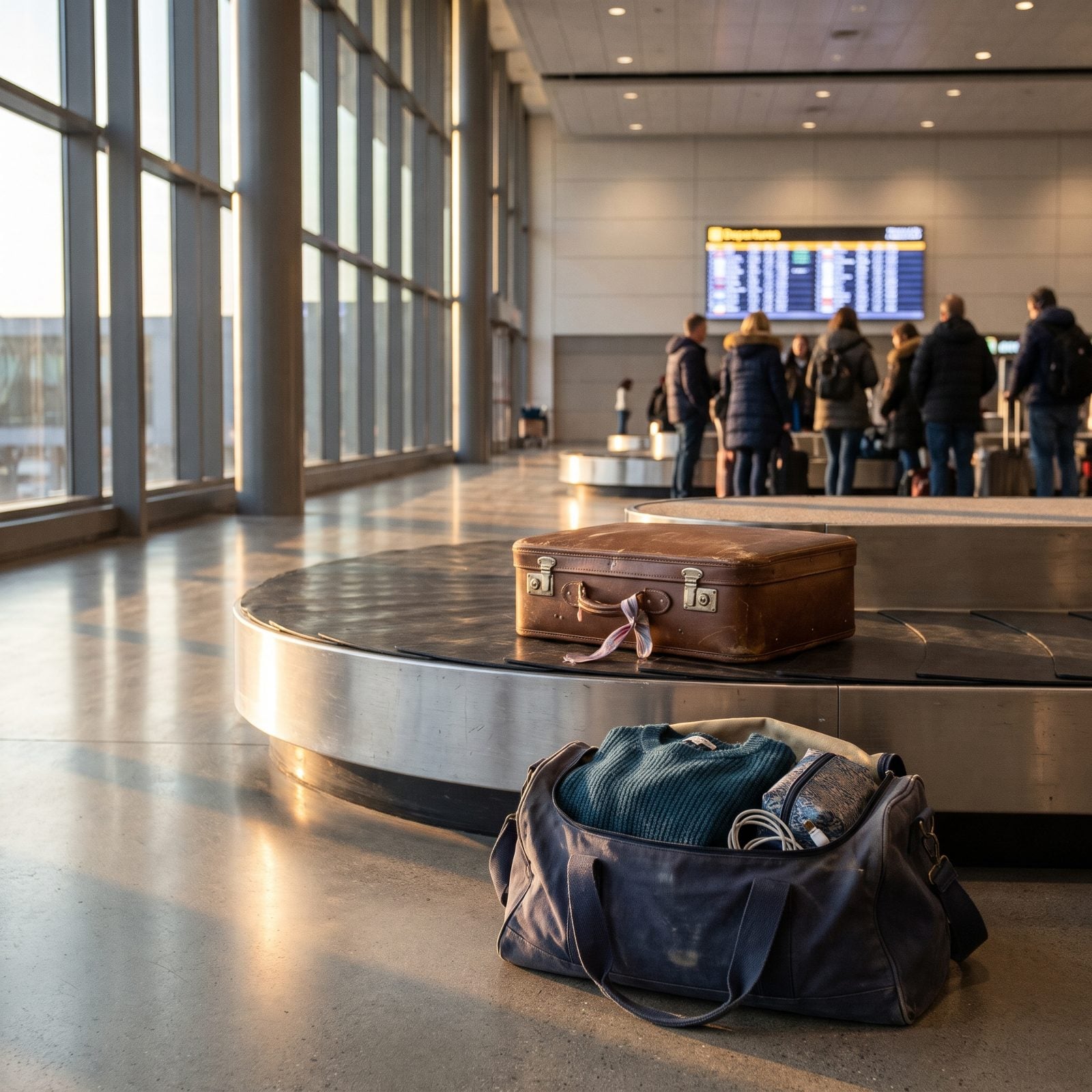
The bag that doesn’t show up always holds the one thing you needed first. It happens every holiday season, and it happens at every reunion where somebody drives six hours and forgets the cooler.
Pack like you might not see your checked bag for two days, because in December you might not. One change of clothes, the chargers, the meds, anything you can’t buy at a drugstore at 11pm in a strange town. And put a tag inside the bag, not just on the handle. Handles rip off.
3. Adjusting Gracefully to Last-Minute Cancellations

The text comes at 5:40am. Flight canceled. Now you’re the person on hold with the airline and also the person who swore you’d be there by noon.
A reunion teaches you this early: the plan is not the point, the people are. When the drive gets rerouted or the connection evaporates, whoever rolls with it keeps the whole trip warm. The ones who announce their frustration to the room just make everyone else carry it too.
Have a backup in your pocket before you need it. Know the next flight, know the rental counter, know which cousin can grab the extra kid if you land late.
2. Collecting Everyone’s Share of Group Expenses

Somebody always covers the grocery run. Somebody always forgets they said they’d split the house. And somebody, bless them, never once reaches for their wallet.
Group money is where family trips quietly go sour. The gas, the rental, the big dinner, the kid who broke the lamp — a shared house for a week racks up the same ugly tab as a reunion with forty people and one pavilion rental.
Track it in one spot everyone can see: a running note, a splitting app, a piece of paper taped to the fridge. You’re not aiming for precision to the penny. You’re aiming for a house where nobody quietly keeps a grudge-ledger in their head for the next three Christmases.
1. Attempting to Get One Good Group Photo

Twelve people. Somebody’s blinking in every frame. The baby’s crying, the teenager won’t smile, and your uncle wandered off to check on the parking.
This is the final boss of family coordination, and it closes out every reunion and every holiday alike. You line everyone up, the light’s fading, and the self-timer runs out before the back row has even settled.
Take more than you think you need. Grab the “everyone’s ready” shot, then keep shooting, because the keeper is usually the frame right after — when someone laughs at the mess and the whole crowd breaks loose at once. Nobody frames the perfect lineup. They frame the one where everyone was actually there.
Please note that some of the imagery in this article were created with the aid of AI image generators.