
🔥 Would you like to save this?
Everyone has one. A shell in a drawer. A matchbook in a jewelry box that has not held jewelry since 1988. A plastic keychain from a gas station in Wall, South Dakota, that has outlived two marriages and a house.
The strange part is not that you kept it. The strange part is that you know exactly where it is, even though you may not have touched it in years. The expensive things came and went. This stayed.
Researchers use several names for what these objects do: cherished possessions, memory cues, attachment objects. None quite captures the whole thing. The object you kept holds a place, a person, and an earlier version of you in the same small space. Its value has almost nothing to do with what it cost and everything to do with the moment your mind quietly decided: this one comes home.
Why the Ugly Ceramic Ashtray From 1974 Outranks the Expensive Vase Every Time
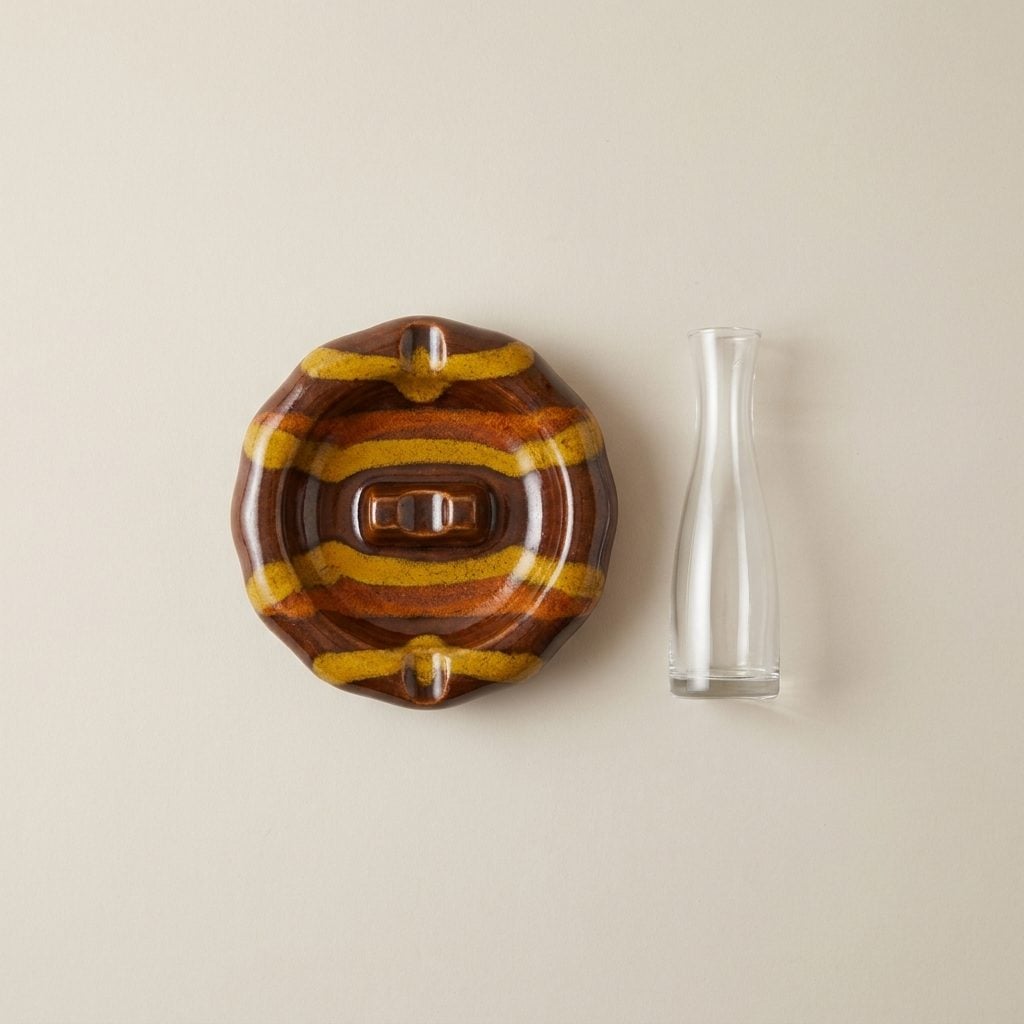
Nobody in the house has smoked in thirty years. The ashtray stays.
It’s brown. Or maybe rust and mustard, hand-painted in that mid-70s glaze that always looked slightly muddy. It cost three dollars at a roadside pottery stand somewhere off Route 66. The Waterford vase on the same shelf cost two hundred, arrived as a wedding gift, and has never once made anyone tear up. Csikszentmihalyi and Rochberg-Halton spent years interviewing Chicago families about which household objects they cared about most, and one of their central findings was that people cherished objects for their symbolic and emotional charge, not their monetary or aesthetic value. Source The ashtray wins because the ashtray remembers.
It remembers the trip. It remembers the argument in the car about whether to stop. It remembers a father who is no longer here, holding it up and saying, honestly, this is kind of ugly, isn’t it. And then buying it anyway.
The Smell That Comes Off a Kept Souvenir After Forty Years, And Why Your Brain Files It Separately From Everything Else
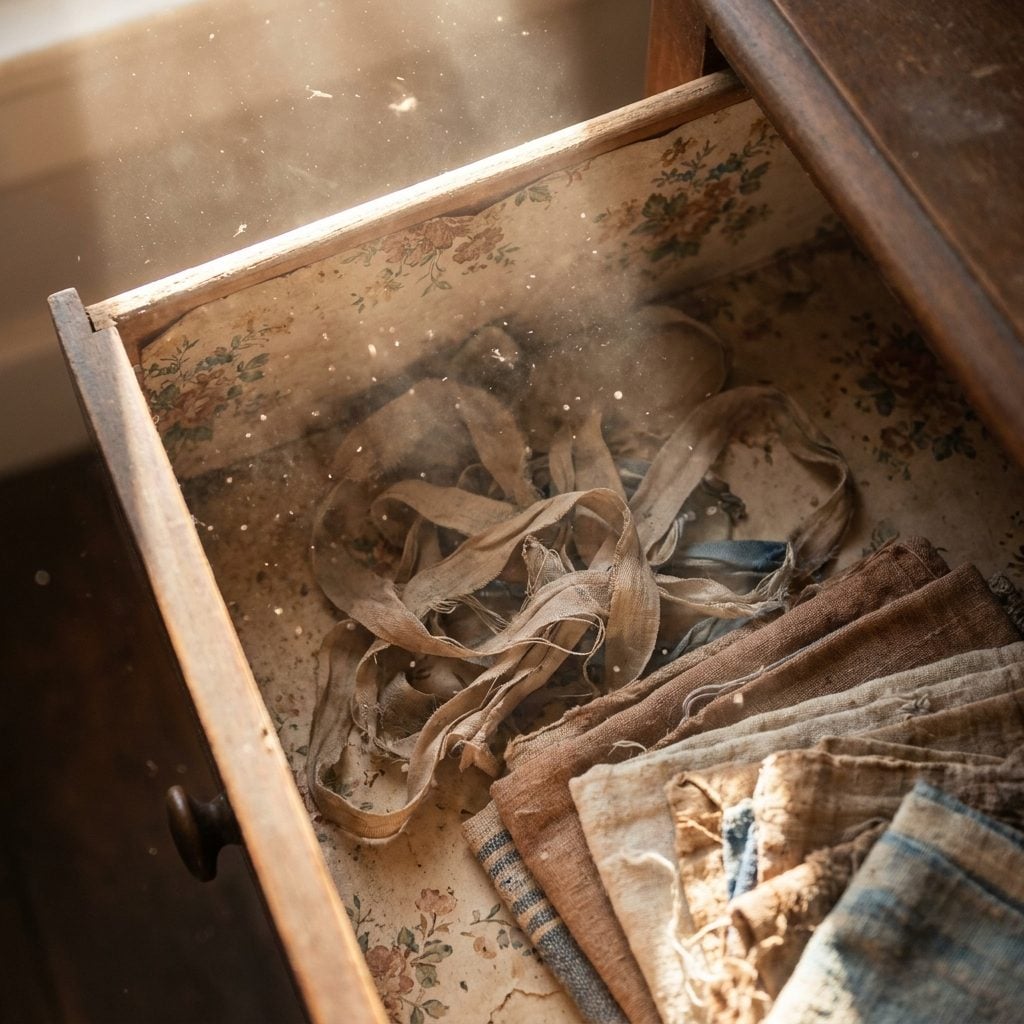
Open the drawer. There it is, immediately: cedar, faded perfume, something salt-adjacent, something that smells like your grandmother’s coat closet in 1981. You are no longer standing in your bedroom. You are seven years old.
This is not sentimentality. It’s neurology. The Proust phenomenon describes the way odor-cued autobiographical memories are older, more emotional, and more vivid than memories triggered by any other sense. Researchers use the acronym LOVER: Limbic, Old, Vivid, Emotional, Rare. Source Smell bypasses the thalamic relay that other senses use and routes almost directly through the limbic system, the seat of emotion and memory. Source
The souvenir doesn’t just look like the trip. It smells like the trip. And your brain filed that smell in a folder marked self, decades ago, and never overwrote it.
What It Means When the Souvenir You Kept Cost Almost Nothing
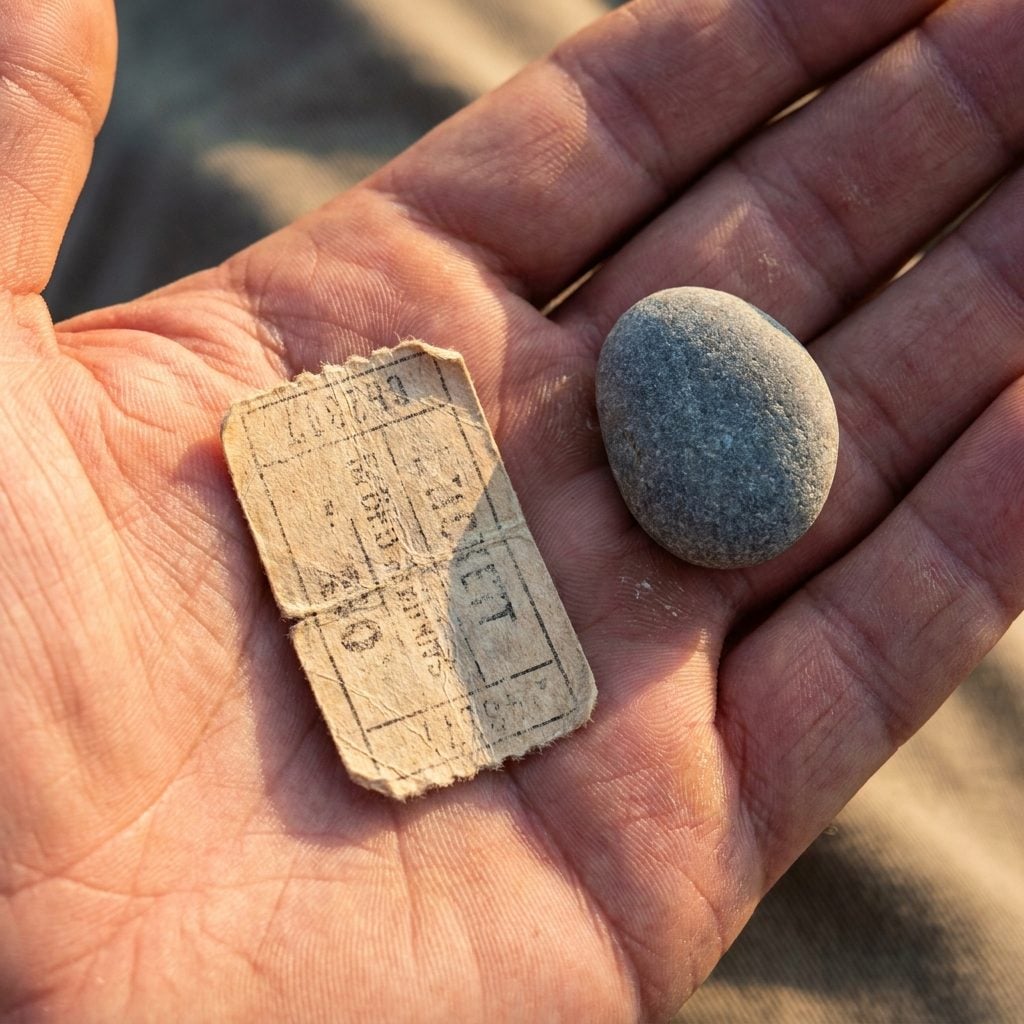
The one you kept was free. A pebble. A book of matches. A cocktail napkin folded into your wallet. A ticket stub. The expensive things left the house years ago in a Goodwill bag.
Behavioral economists call this the endowment effect, our tendency to assign value to objects because they’re ours, not because of what they cost. Source But something deeper is happening with the free souvenir specifically. When you pick up a shell yourself, or pocket a napkin from a diner outside Amarillo, you’re the one who chose it. You did the noticing. Ownership plus effort inflates value in a way that pure purchase can’t touch. Source
The gift shop mug was somebody else’s design. The pebble was your decision. And you made that decision on a specific afternoon, standing in a specific spot, being a specific version of yourself. That’s what you can’t throw away. Not the pebble. The afternoon.
The Reason You Can’t Throw It Away Even Though You’ve Tried Three Times
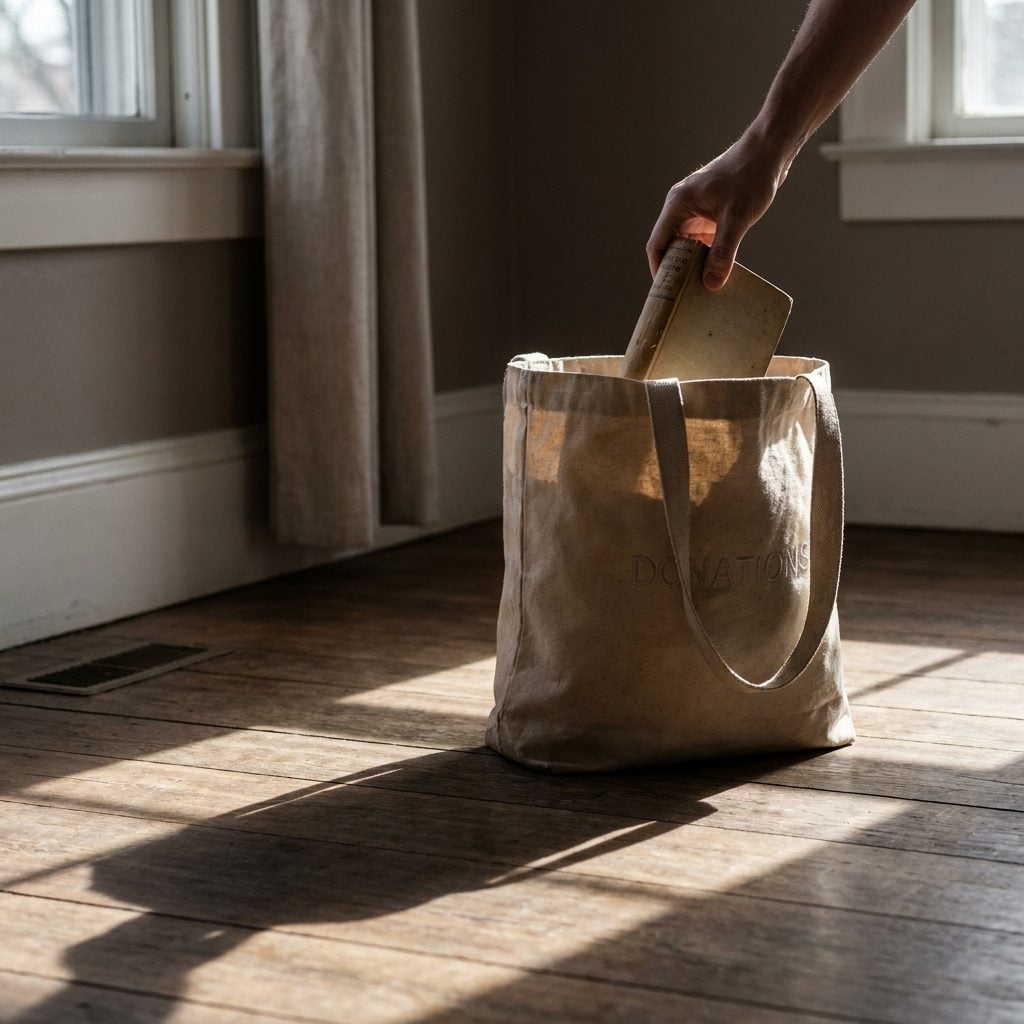
Into the donation bag. Back out of the donation bag. Into a different box. Back out.
You are not indecisive. Your brain is doing exactly what a healthy brain does with an object that has been designated meaningful. The endowment effect, first described by economist Richard Thaler, shows that loss aversion around owned items is so strong that people demand two to three times more money to sell an object than they’d pay to buy the same object from someone else. Source Add sentimental weight and the effect intensifies, because irreplaceability amplifies the sense of loss. Source
There’s also something quieter going on. Getting rid of the object means acknowledging that the trip is over, the person is gone, the version of you who bought it doesn’t live here anymore. Three attempts to throw it away is three attempts to close a door your body knows better than to close.
Why Women Who Grew Up Between 1955 and 1985 Kept a Very Specific Category of Small Object
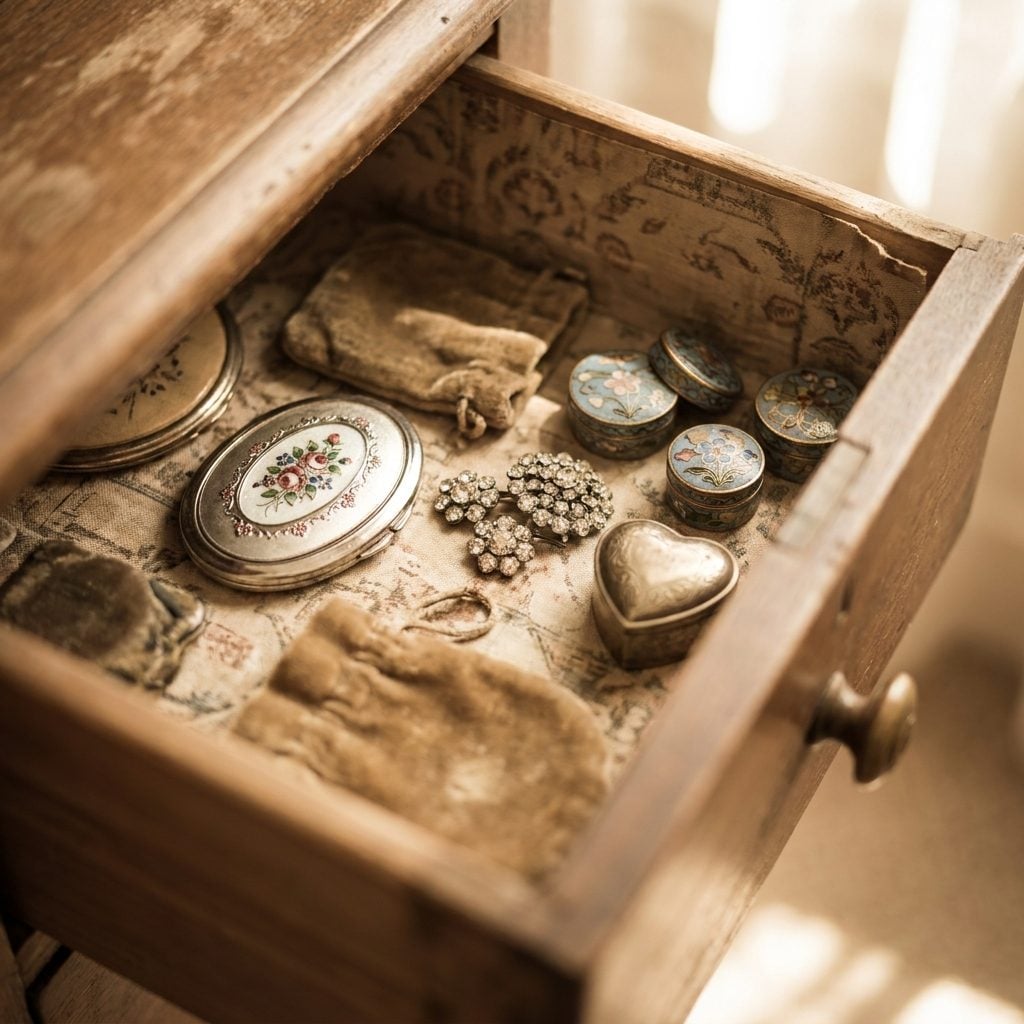
Open any dresser drawer belonging to a woman who came of age between Eisenhower and Reagan, and you will find them. The small enameled pill box from a trip to Charleston. The porcelain trinket dish shaped like a shoe. The souvenir spoons in a wall rack. The tiny bell from Niagara Falls that still works.
The category has a name, sort of. Csikszentmihalyi and Rochberg-Halton, in their 1981 Chicago study of what people cherish at home, found that women were significantly more likely than men to name small symbolic objects as their most treasured possessions, and to describe those objects in terms of relationships rather than utility. Source
Which tracks with the era. Women in those decades were often the memory-keepers of the household, the ones who wrote the thank-you notes, who remembered the anniversaries, who packed and unpacked the family from every trip. The trinket dish wasn’t decorative. It was infrastructure for the emotional life of the house.
The Souvenir That Isn’t From a Vacation at All, And Why Those Hit Hardest
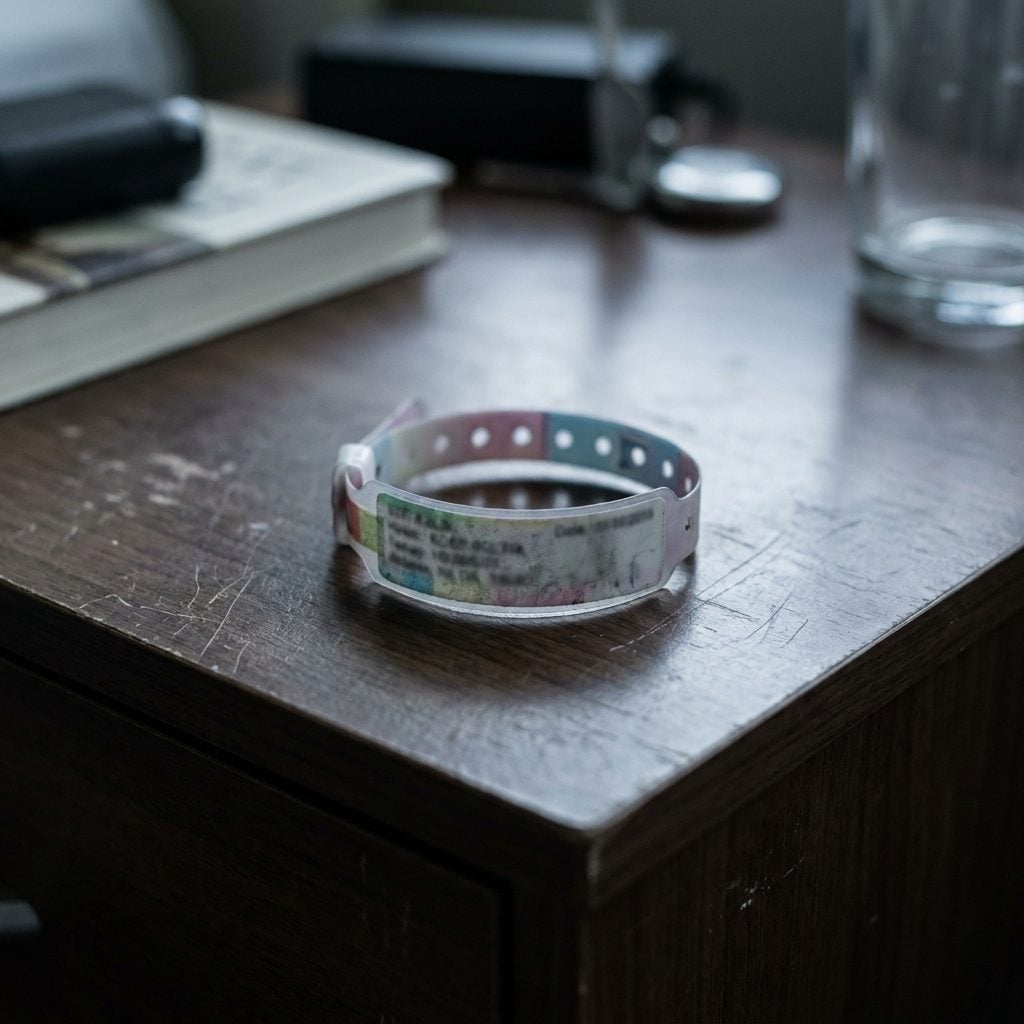
Ask someone what they’ve kept the longest and half the time it isn’t from a trip. It’s a hospital bracelet. A wedding-guest matchbook. A receipt from the night before everything changed. The word souvenir comes from the French for to remember, and memory doesn’t care whether you were on vacation.
Psychoanalyst Donald Winnicott’s concept of the transitional object was originally about children, but contemporary psychology has expanded it: adults keep symbolic items that represent meaningful events, relationships, and milestones, and these keepsakes function as tangible reminders of emotional experiences. Source The wedding ring works this way. So does the pressed program from a funeral. So does the paper napkin somebody wrote a phone number on in 1983.
These non-vacation souvenirs hit harder because they weren’t planned. Nobody buys them at a gift shop. They get pocketed in a moment the person didn’t yet know was a moment. That’s what makes them heavy later. Research on object attachment in older adults suggests that when a keepsake is linked to a core memory, losing it can feel like losing access to the memory itself. Source
The best souvenirs are the ones you didn’t know you were collecting.
A ticket to a place you go every week means nothing. A ticket to the last movie you saw with your father means everything, and it looked identical to the first one when you tore it in half.
Why You Remember Buying It But Not Paying For It
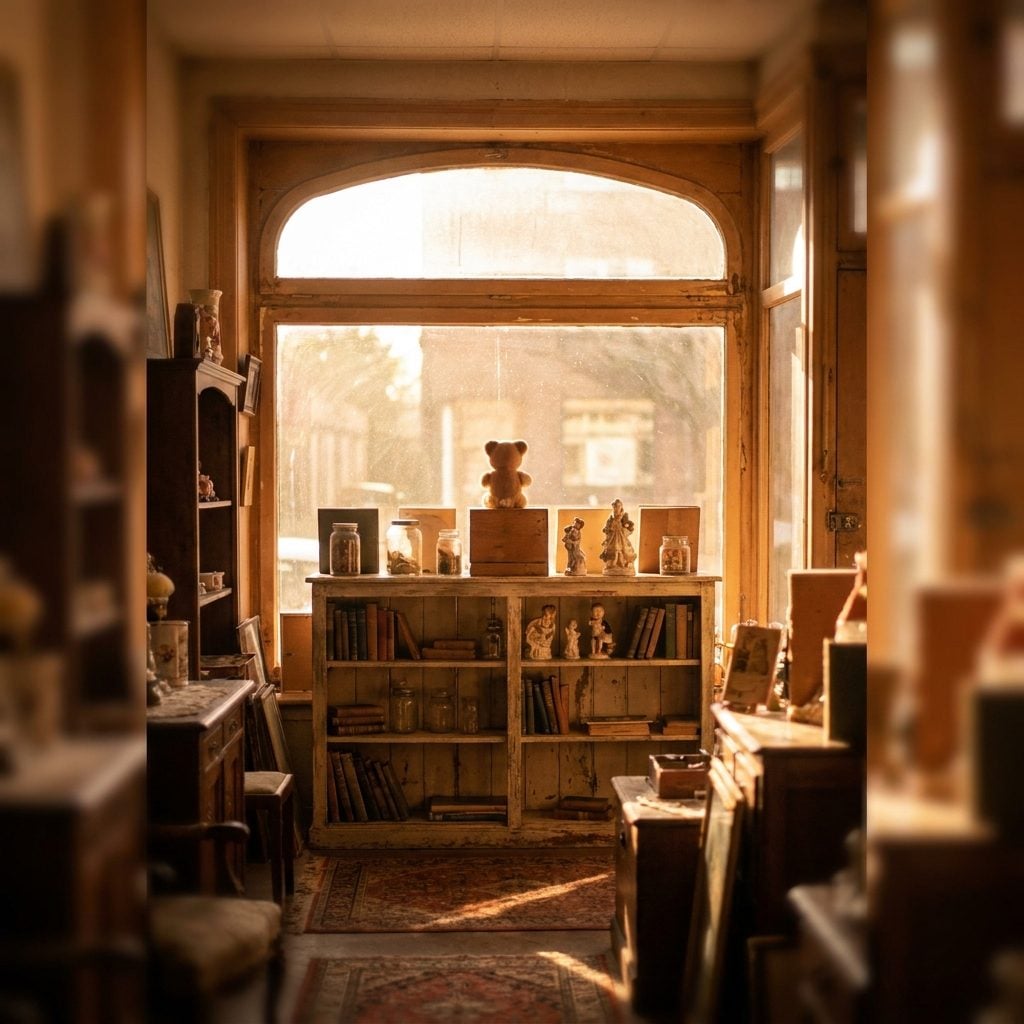
The memory arrives in strange pieces. You can see the shop, the way the light came through the front window, the specific angle of the shelf where it sat. You can hear the bell on the door. What’s missing is the transaction itself. Whether you paid five dollars or twenty, whether you counted out bills or handed over a card, whether the clerk wrapped it in tissue or dropped it in a paper bag with a receipt curling around it. Gone.
That’s not a flaw in your memory. That’s how autobiographical memory works. The brain preserves the emotionally weighted moments and lets the transactional scaffolding dissolve. Source The souvenir stayed because it was tied to a feeling, and the feeling didn’t need a price tag to keep working.
The Object That Belonged to Someone Else First (And What That Second Life Is Doing for You)
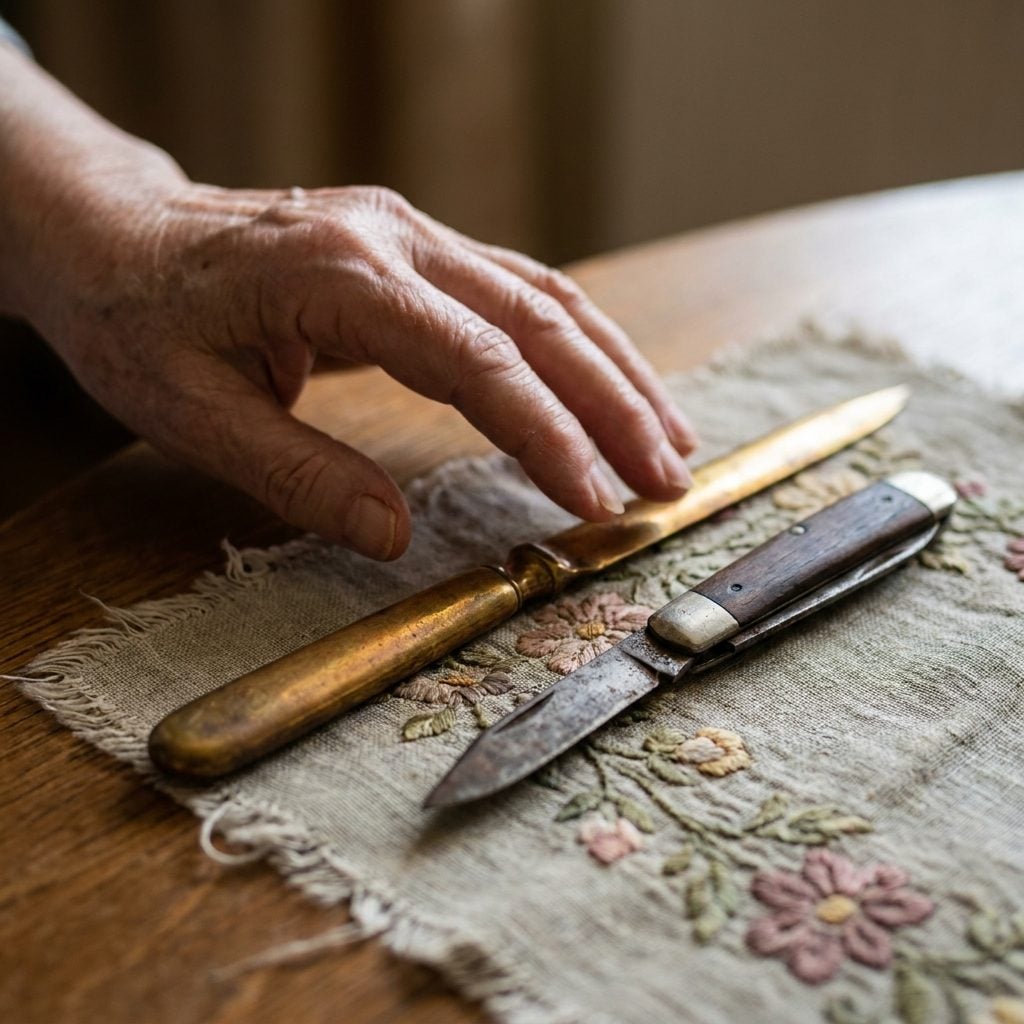
Some souvenirs were never bought at all. They were handed down. A grandmother’s brass letter opener. An uncle’s pocketknife with initials scratched into the handle. A neighbor’s ashtray that ended up in your garage after she moved and somehow followed you through four addresses.
These objects carry what researchers call indexicality, a semiotic term for the way an item points backward to a specific person, place, and moment that no reproduction can replicate. Source You can buy another one. You cannot buy this one. The scratch on the handle is not damage. It’s evidence.
Studies of cherished possessions among older adults have found that inherited objects rank consistently high in the categories people name when asked what they’d save from a fire. Source The object is doing double work. It preserves the person who owned it first. And it quietly tells you that you were the one they trusted it to.
What Researchers Found When They Asked 94 Adults to Describe Their Oldest Kept Object
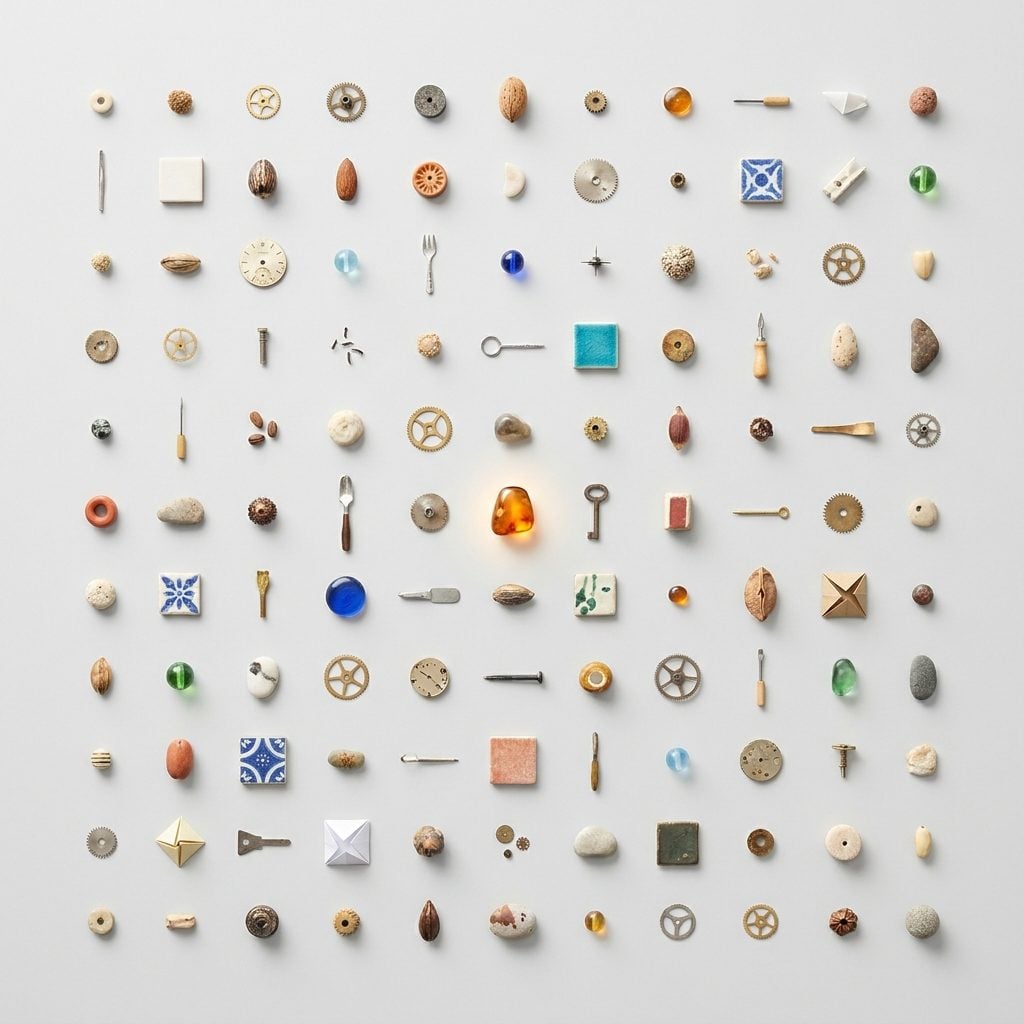
Ask people to name the possession they’ve held onto longest and something interesting happens. They don’t describe it. They tell you a story.
In a 1978 interview study of 94 older adults published in the International Journal of Aging and Human Development, 81 percent could immediately identify a single most cherished object, and their answers weren’t about the item’s monetary worth or aesthetic value at all. Source They were about the people and moments the object represented. A follow-up scoping review of sixteen later studies identified nine distinct reasons an object gets cherished, with meaningful memories, identity construction, and inheritance topping the list. Source
The same study found something less comforting. Adults who could not name a single cherished possession scored lower on measures of life satisfaction. Source The object matters. But what the object represents, a life with texture and continuity, matters more.
Why the One From Your Twenties Feels Different Than the One From Your Thirties
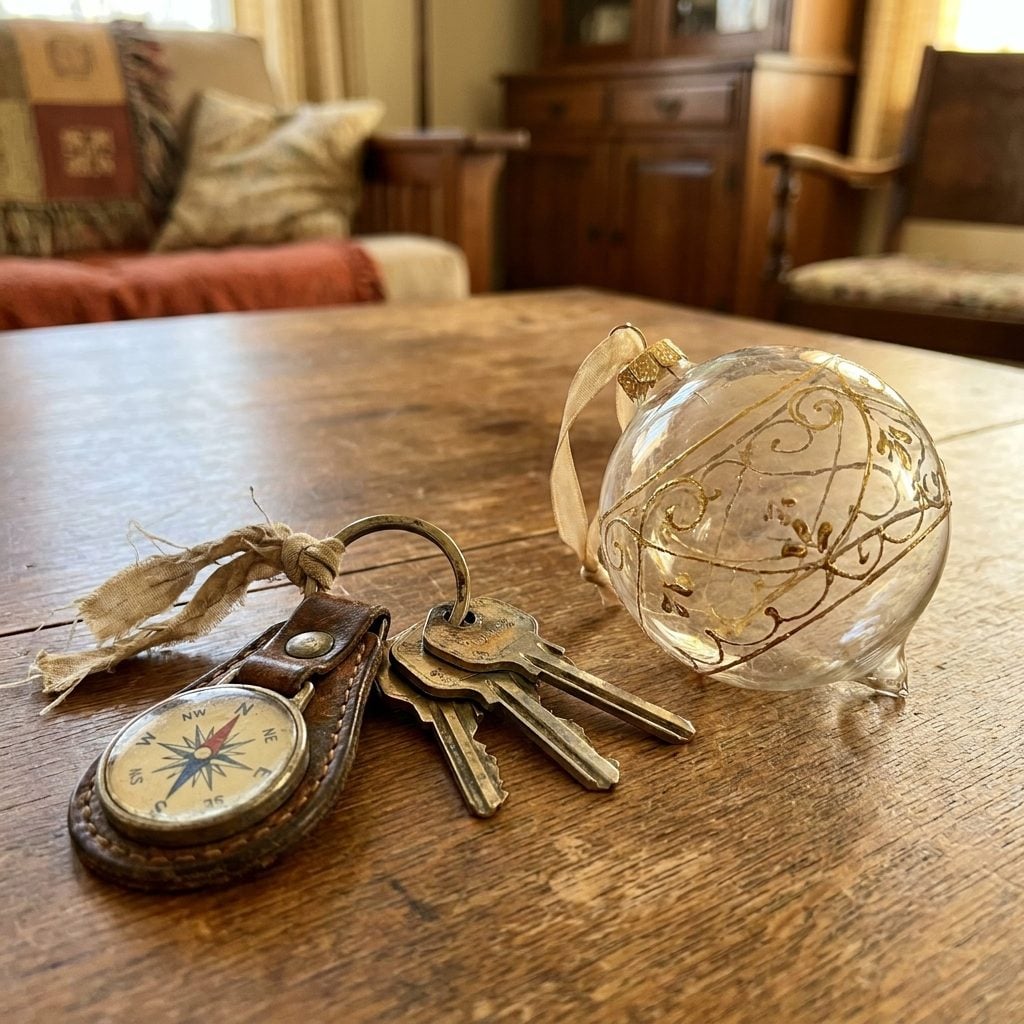
The keychain from the road trip you took at 23 hits differently than the ornament you bought on your honeymoon at 34. Both matter. Neither feels the same.
Memory researchers call this the reminiscence bump. Autobiographical memories formed between roughly ages 15 and 25 are recalled with more vividness, emotional intensity, and detail than memories from any other life period. The objects you gathered during those years get encoded alongside the identity you were building at the time, which is why they feel like they belong to a slightly different person. Because in a way, they do.
Cherished possession research has found that older adults use kept objects to connect specifically to their past selves, not just past events. Source The souvenir from your twenties is a bridge to who you were before you became who you are. The one from your thirties is a bookmark in the person you had already started to be.
The Souvenir Category That Almost Every American Kitchen Held Between 1960 and 1990
🔥 Would you like to save this?
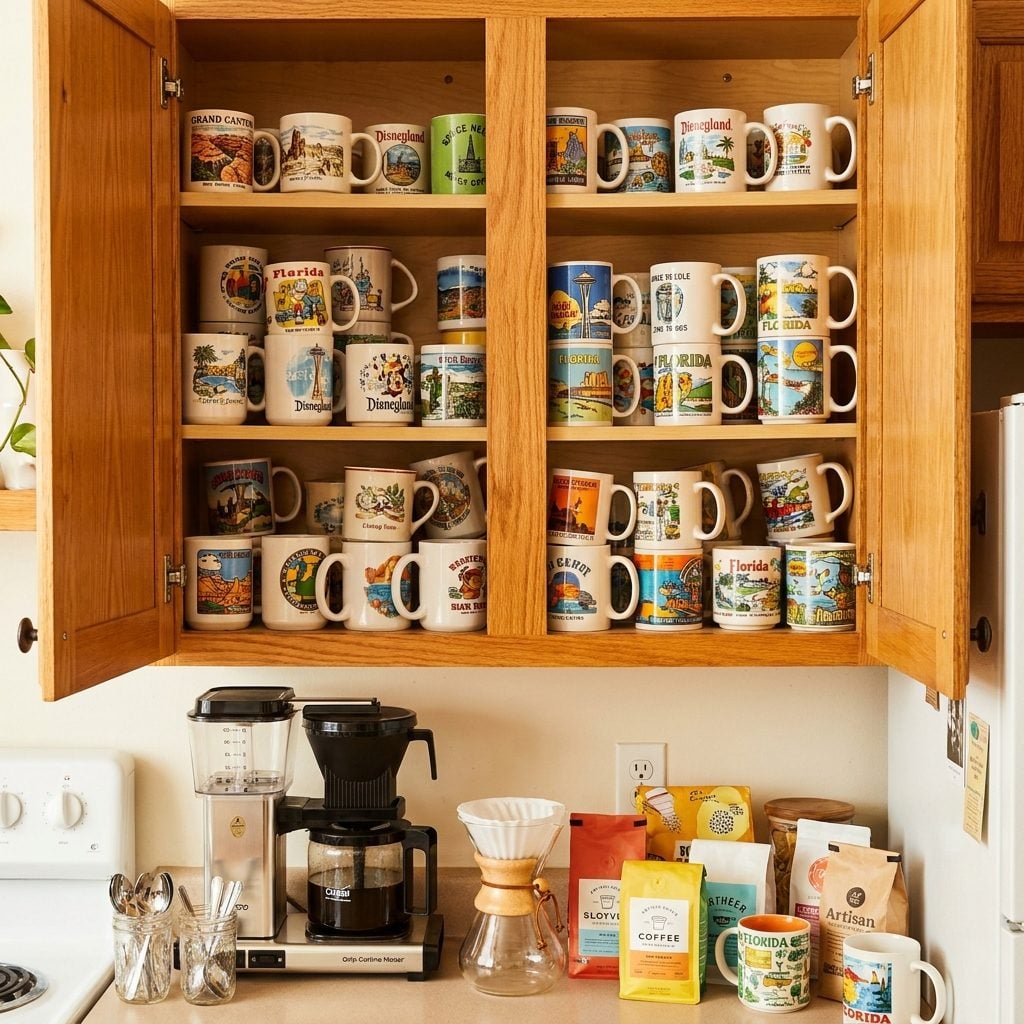
Open the cabinet above the coffee maker in any American house between 1960 and 1990 and you’d find them. The mugs.
Not the everyday mugs. The other ones. The one from Yellowstone with a bear on the side. The one from a diner in Pennsylvania your father stopped at on the drive home from a fishing trip. The one from a cousin’s college with the mascot half worn off. Nobody drank from them. They sat behind the working mugs, taken down maybe once a year, dusted, admired, put back.
The kitchen souvenir mug was a distinctly American postwar phenomenon, tied to the rise of the interstate highway system in 1956 and the family road trip vacation that followed. Every gas station gift shop, roadside attraction, and national park visitor center sold them. They were cheap enough to buy without agonizing and durable enough to outlast the trip by four decades. Source
What made the mug work as a souvenir wasn’t the mug. It was that it lived in the kitchen. The most-used room in the house. You saw it every morning while the coffee brewed, and every morning it did its quiet job of reminding you where you had been.
The Psychology of Keeping Something Broken Instead of Fixing It or Replacing It
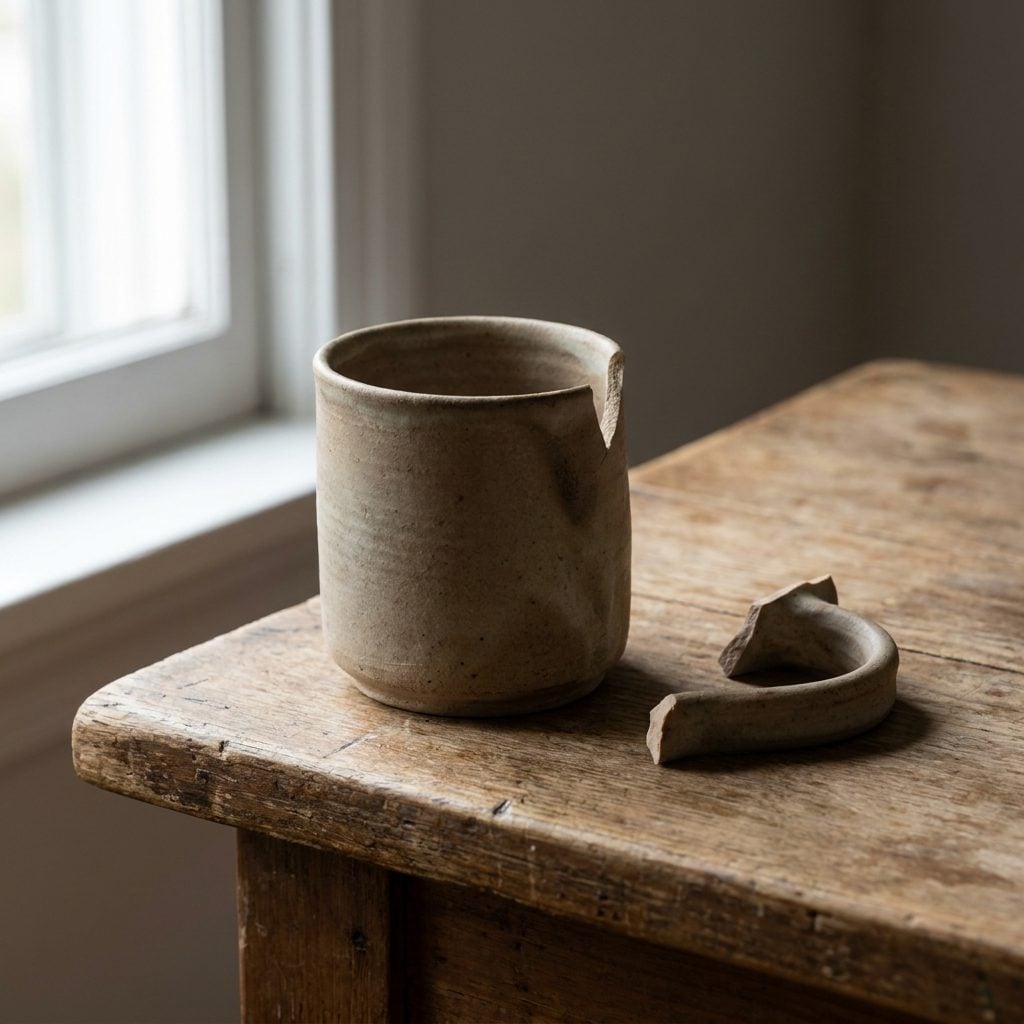
The handle came off in 1994. You never glued it back on. You never bought another one. You kept the whole thing, handle and all, in a drawer.
This is one of the more revealing behaviors around long-kept objects. Repair would alter the object. Replacement would betray it. So the broken piece sits in its broken state, and you protect the brokenness the way you’d protect the object itself.
Researchers studying human traces on cherished possessions have found that damage, wear, and repair marks accumulate meaning rather than diminish it. Source The scratch is when the dog knocked it off the table in 1987. The chip is from the move. The missing handle is from the day your mother dropped it in the sink. To fix any of that would be to erase a specific afternoon that only this object still remembers.
Which is the quiet through-line of every item on this list. The souvenir is not really about the place you bought it. It’s about every year you’ve kept it since. The brokenness is proof of the keeping. And the keeping is the whole point.
Why You Can Describe It With Your Eyes Closed But Not Your Wedding China
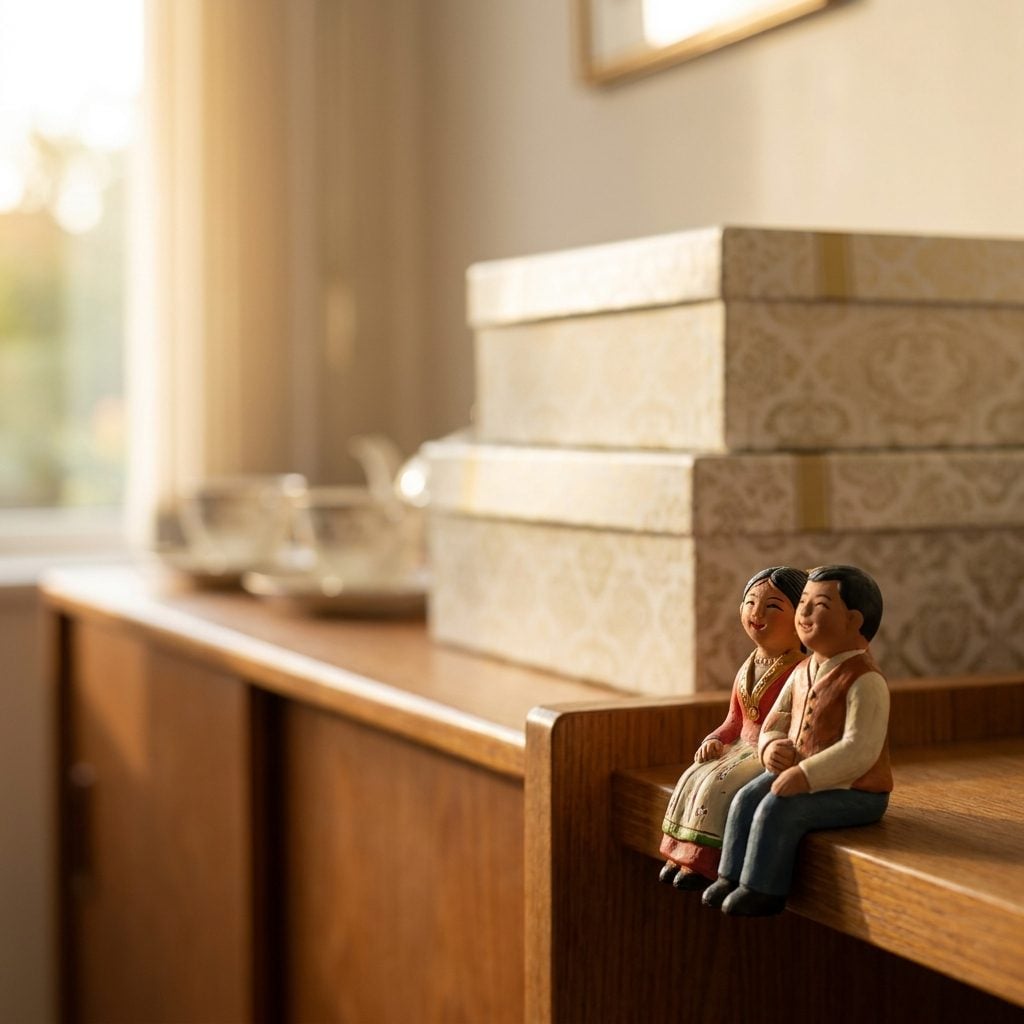
The wedding china came in a set. Twelve place settings, chosen carefully, wrapped in tissue, unpacked with a mother-in-law watching. You could not sketch a single piece right now if someone offered you money.
The tiny brass bell from that trip to Salzburg in 1983? You can feel the weight of it in your palm from across the room. You know the exact spot where the lacquer wore off. You know it tilts slightly left.
There’s a reason for the asymmetry, and it isn’t sentiment alone. Emotional salience during encoding lights up the amygdala, and that activation predicts how vividly you’ll later recall the object down to specific visual details. Source The wedding china arrived during a socially performed event, all attention pointed outward. The bell arrived during a private moment on a foreign street when your nervous system was already lit up with novelty.
Which is why the object you can draw from memory is almost never the expensive one.
The Souvenir You’d Grab in a Fire, and What That Ranking Actually Reveals
Ask someone what they’d save from a burning house and watch their face change. The pause is the point. In one AA Insurance survey, seven in ten people said they’d try to save something after their family and pets were out, and a full third named photo albums, with nearly a fifth going back for a favorite watch or piece of jewelry. Source
Notice what didn’t top the list. Not the TV. Not the laptop, for most people. Not the thing that cost the most. The thing that connects them to a person, a place, or a version of themselves they don’t want to lose.
There’s neuroscience under that instinct. A 2013 Yale fMRI study found that objects a person had mentally categorized as “mine” activated the same brain regions as references to the self. Source Which means when you rank your souvenir above your appliances, you aren’t being sentimental. You’re protecting a piece of your own identity map.
The souvenir that makes the list isn’t the prettiest one you own. It’s the one your brain has quietly filed under self.
Why the Object From Your Childhood Bedroom Is Doing a Job You Didn’t Ask It To
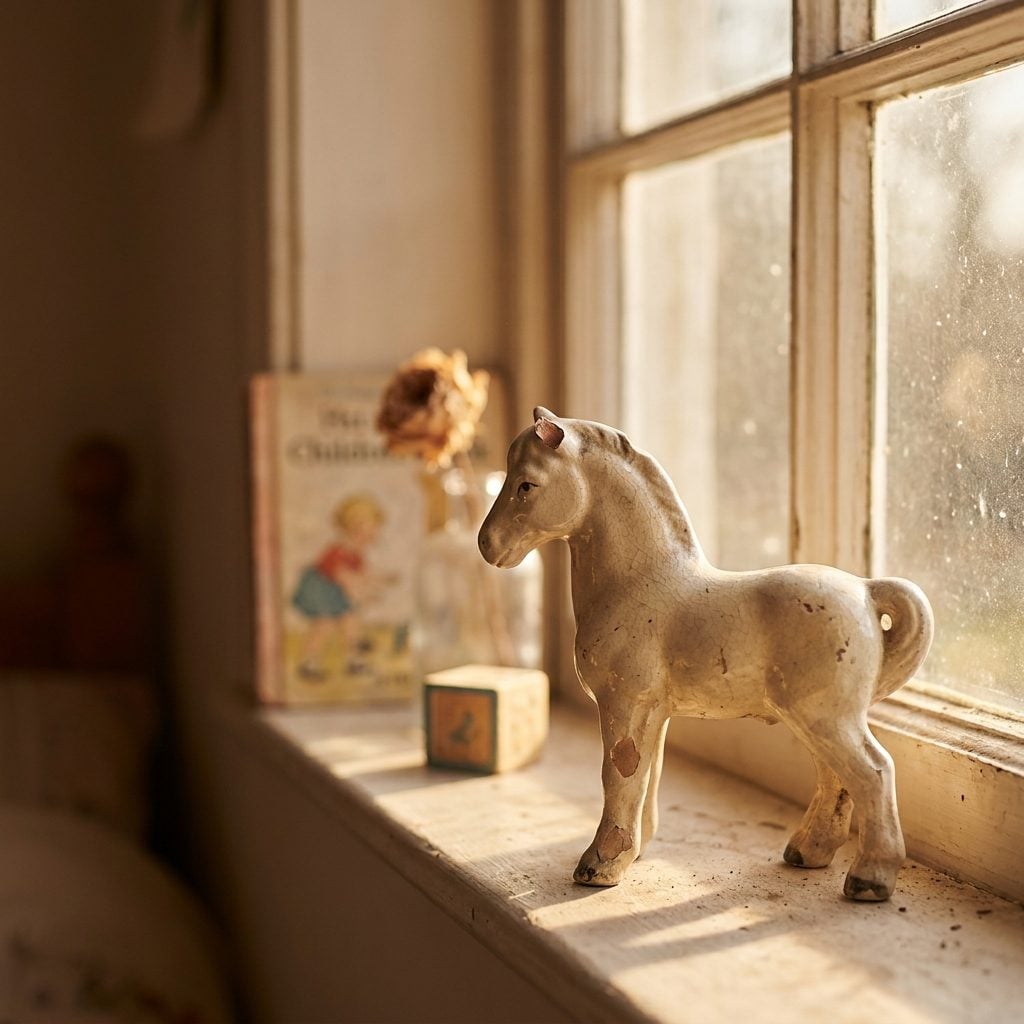
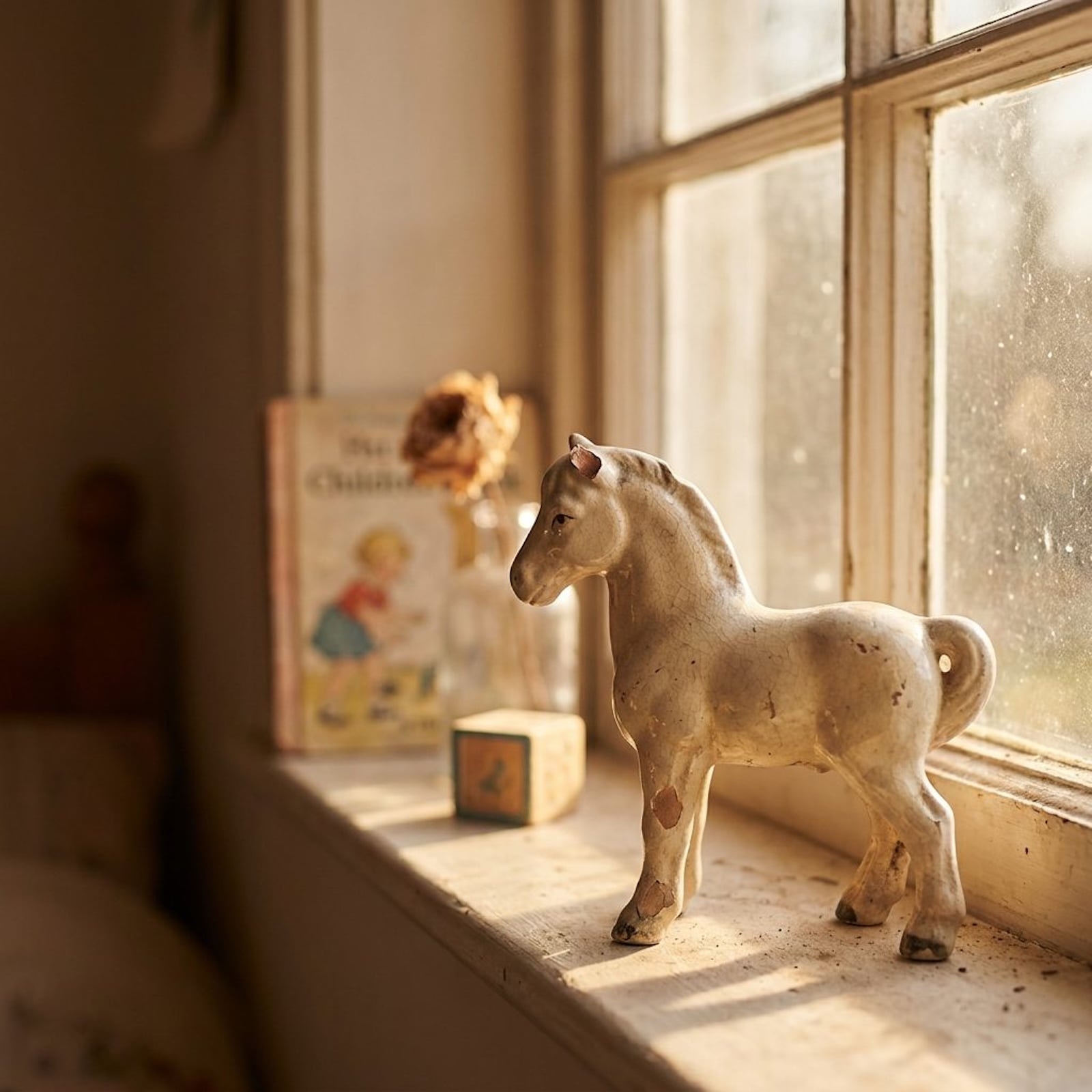
The thing that survived every move is almost never the expensive thing. It’s a chipped ceramic horse. A snow globe from a gas station in 1978. A keychain your uncle brought back from somewhere he was only briefly happy.
Donald Winnicott called these transitional objects in 1953, and while he was writing about toddlers and blankets, researchers have shown the attachment often persists deep into adulthood, quietly regulating stress the same way it did when you were four. Source.
You didn’t ask it to be a soothing object. It just kept doing the job. Every apartment you unpacked it in, it went on the shelf, and something in your nervous system exhaled. It wasn’t nostalgia. It was recognition. A tiny appointed guard that has been on duty since Carter was in office.
The Souvenir That Represents a Person You Are No Longer, And Why You Kept Her Anyway
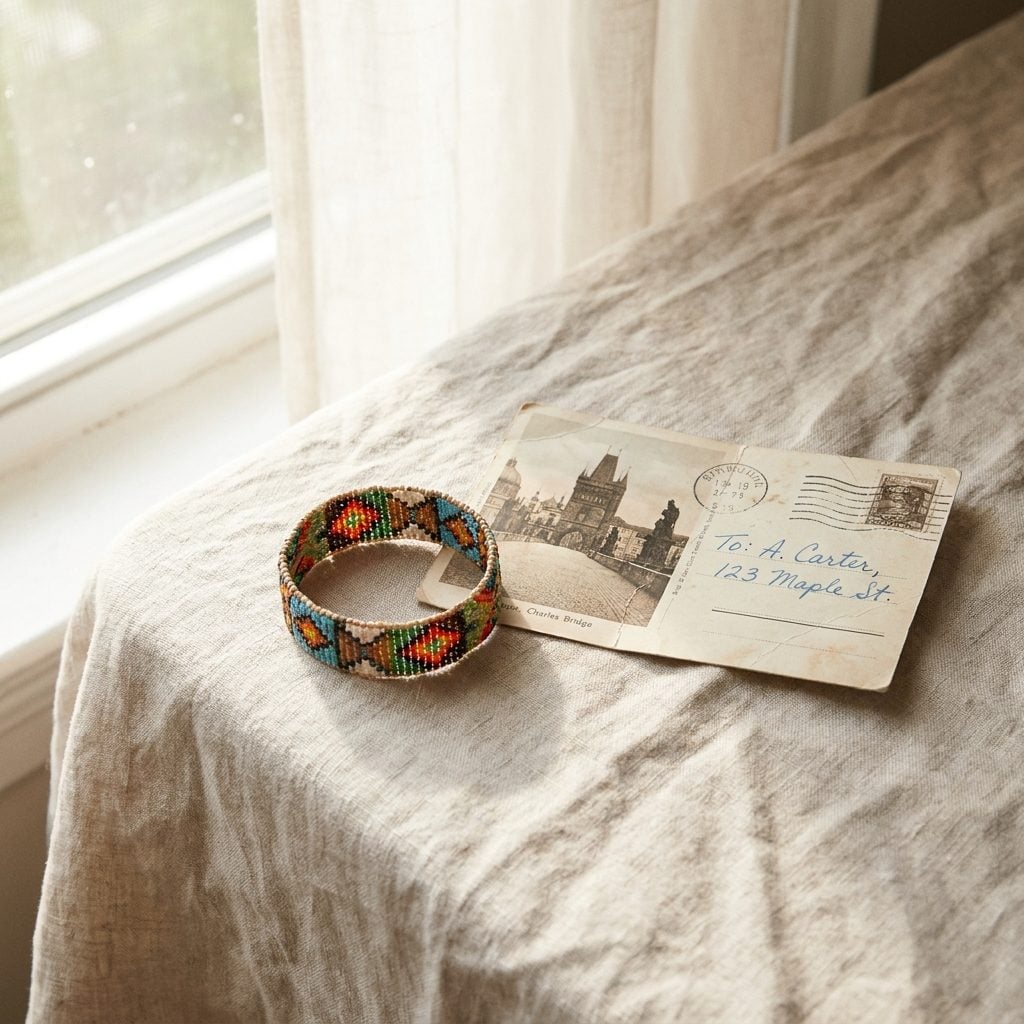
A beaded bracelet from a trip to Mexico at twenty-three. A postcard you wrote to yourself from a hostel in Prague. A cocktail napkin from a bar that closed in 1994.
You are not that woman anymore. You couldn’t be if you tried. She had different knees and worse judgment and more nerve. And yet the object stays, because possessions extend the self across time, not just across space. Belk’s framework has been extended by later researchers to include “backward self-extension,” the way we use objects to keep contact with earlier versions of ourselves we no longer inhabit. Source.
Throwing the bracelet away wouldn’t be decluttering. It would be evicting her. And whatever mistakes she made, she got you here. She earned her spot on the dresser.
What Psychologists Learned From Studying Widows and the Objects They Refused to Move
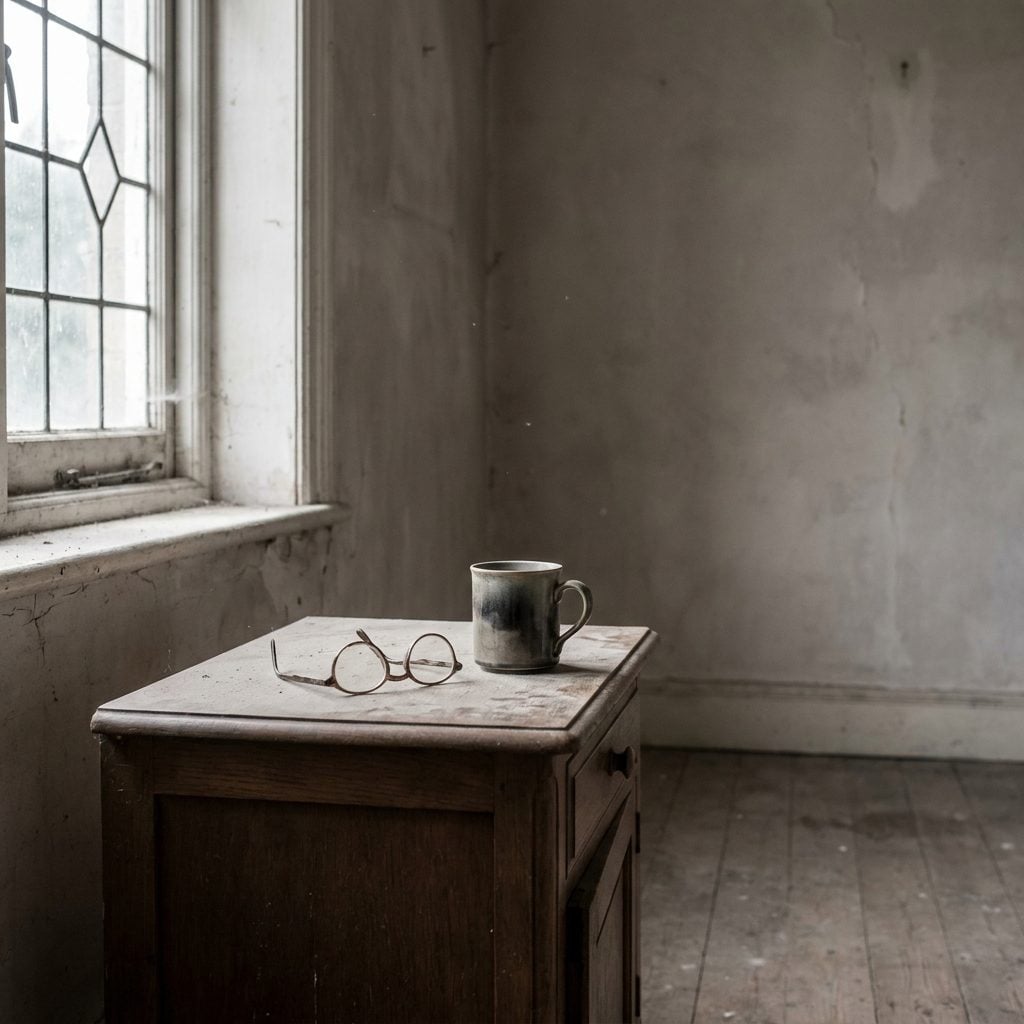
The reading glasses on the nightstand. The mug on the second shelf. The jacket still hanging by the door six years later. You have visited a house like this. You may have lived in one.
Colin Murray Parkes, working with John Bowlby in the 1960s, ran one of the first systematic studies of grief in London widows, and observed that being drawn to objects associated with the lost person was one of the most consistent hallmarks of bereavement, linked to what he called an innate drive to search for the missing. Source.
Later work reframed the refusal to move things not as denial but as a way of keeping the relationship going. Source. The mug isn’t a museum piece. It’s a place setting.
Why the One From a Trip That Went Badly Is Often the One You Kept Longest
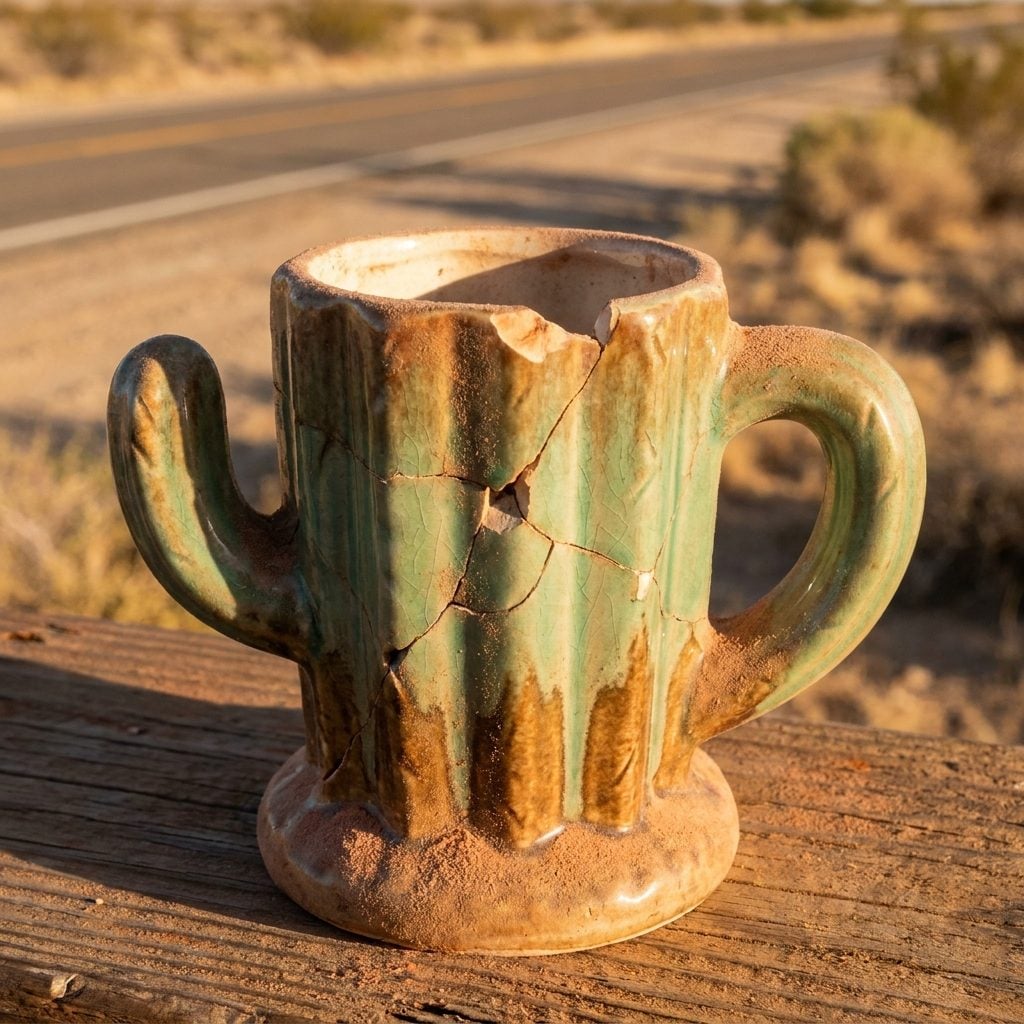
The trip where the car broke down outside Amarillo. The vacation that ended in the emergency room. The honeymoon that should have told you.
Ask people what they’ve kept the longest, and it’s often not the perfect trip. It’s the disaster. There’s a neurological reason. Kensinger and Schacter’s 2006 study on Red Sox and Yankees fans after the 2004 championship found that negative emotional memories are encoded with more sensory detail and are less prone to distortion over time than positive ones. Source.
The bad trip carved itself in. The good trip glossed by. So the little painted tile from the roadside stand where everything went sideways survives four moves and a divorce, while the framed photo from the smooth week in Hawaii is in a box somewhere you don’t remember packing.
What Your Souvenir Has in Common With a Rosary, a Worry Stone, and a Wedding Ring
🔥 Would you like to save this?
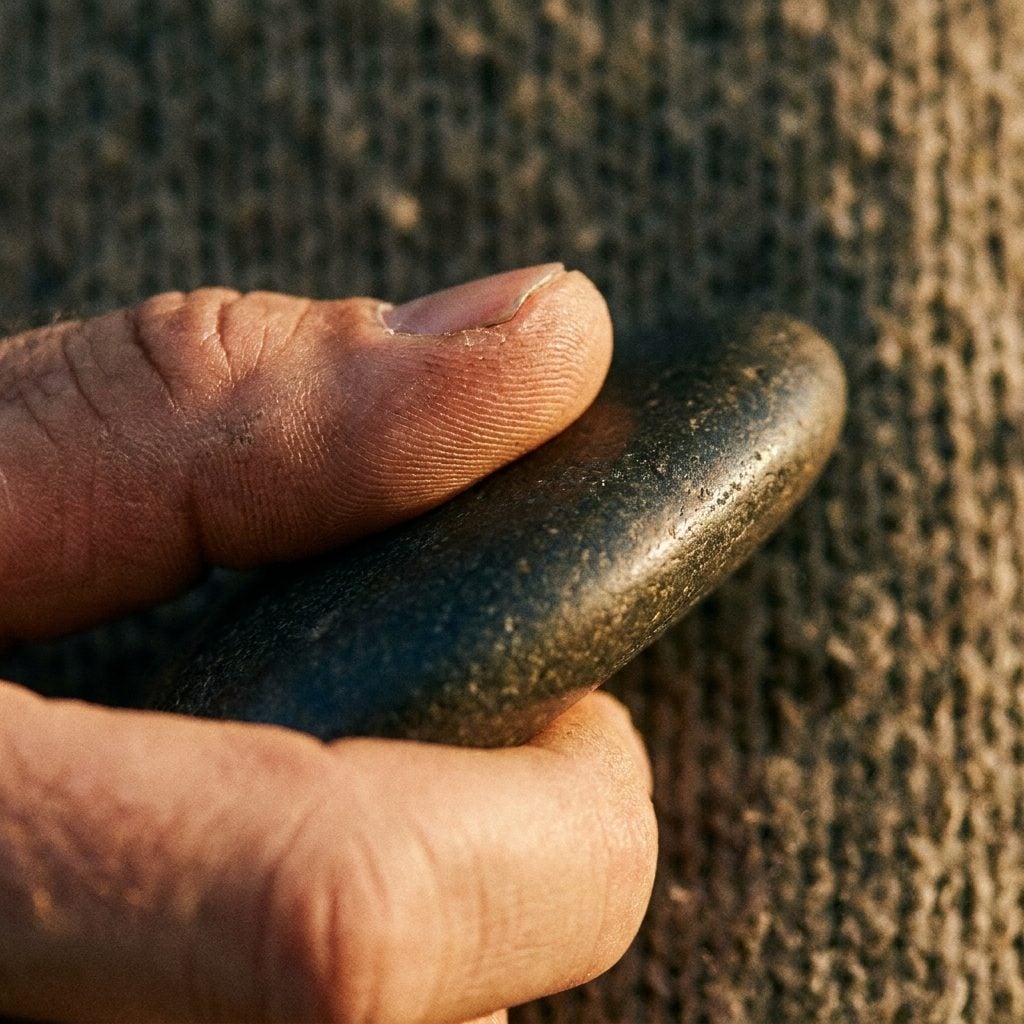
Rub it between your thumb and forefinger. You already have. The gesture is older than you.
Sentimental objects belong to the same family as ritual objects. Anthropologists and psychologists who study attachment to material culture point out that meaningful objects act as attachment figures, providing comfort and security in the absence of loved ones and steadying us through transition. Source. A rosary does this. A worry stone does this. A wedding ring does this. And so, quietly, does the small painted shell you’ve moved from apartment to apartment since 1987.
The souvenir isn’t just a memory. It’s a portable devotional object for a private religion of one, with its own liturgy of touch and its own idea of what deserves to be kept close. That’s why you know exactly where it is right now, and why, if the house were on fire, your hand would find it before your brain got involved.
The Invisible Job Your Ceramic Alligator From 1982 Has Been Doing on Your Behalf This Whole Time
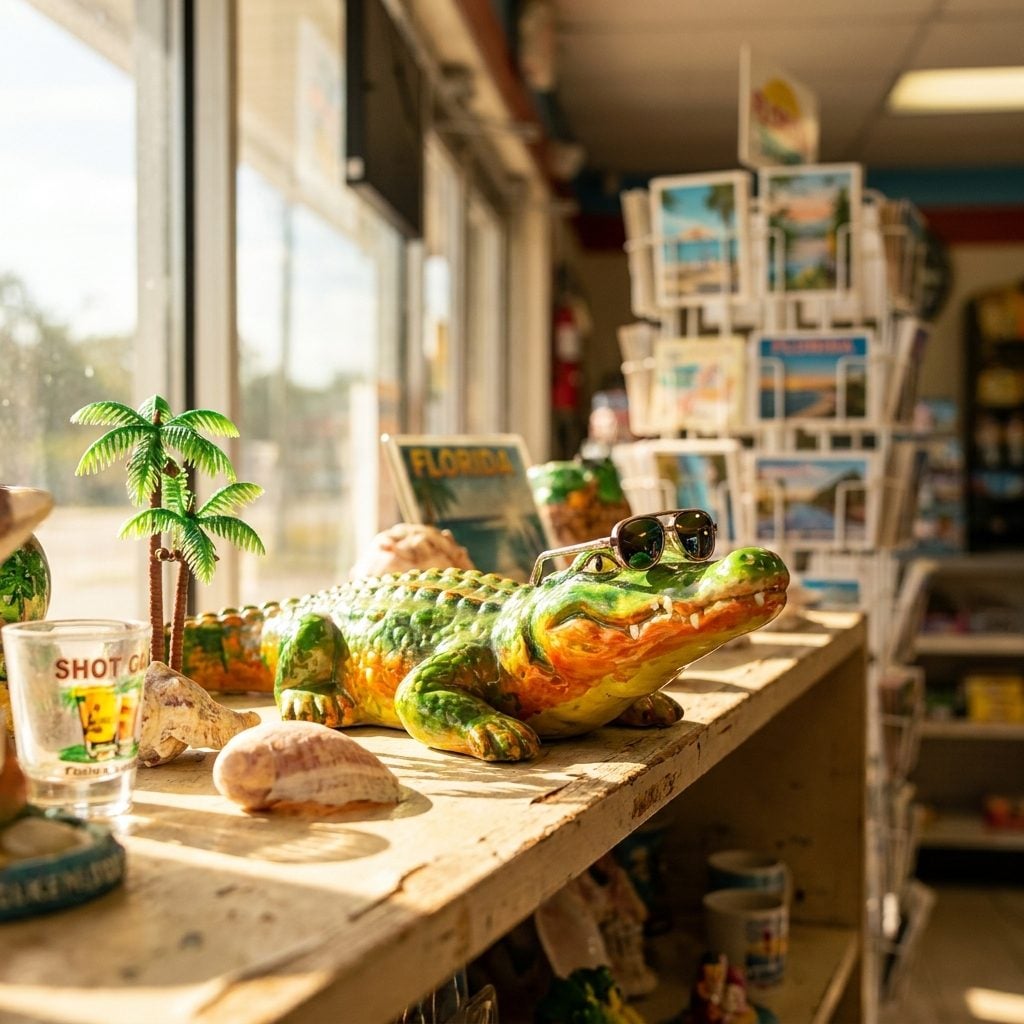
It looks like clutter. A cheap ceramic alligator wearing sunglasses, bought at a St. Augustine gas station on the way home from a family trip in 1982. It has sat on the same shelf for forty-plus years. You’ve dusted around it. You’ve moved with it three times. You’ve never once looked at it and thought about what it was actually doing there.
Here’s what it’s doing. It’s holding your timeline together.
Nostalgia researchers Constantine Sedikides and Tim Wildschut, in a set of five studies with over a thousand participants, found that nostalgic reflection causes a measurable sense of self-continuity, the feeling that the person you were, the person you are, and the person you’ll become are all the same person. Source The mechanism runs through narrative. The object gives you a story. The story gives you a self.
Psychology Today described it more plainly: keepsakes let us externalize memory and identity into something we can hold, touch, and return to when we need reassurance. Source
The alligator is proof. Proof the trip happened. Proof the eight-year-old version of you existed. Proof the parents who bought it for you were once young and standing at a gas station in Florida laughing about a tacky souvenir.
You didn’t keep it because it was pretty. You kept it because without it, one chapter of you goes a little blurrier. And some quiet part of you has always known that.
The Bottom Line
The souvenir you’ve kept isn’t a memento of a place, it’s a self-portrait of the person you were the day you decided that particular moment was worth carrying forward. You didn’t keep the object; you kept the version of yourself who noticed it mattered, and every time you’ve refused to throw it away, you’ve quietly voted to keep her alive. Go find it tonight, hold it for a minute, and ask what she was trying to tell you.
🔥 Would you like to save this?
Please note that some of the imagery in this article were created with the aid of AI image generators.