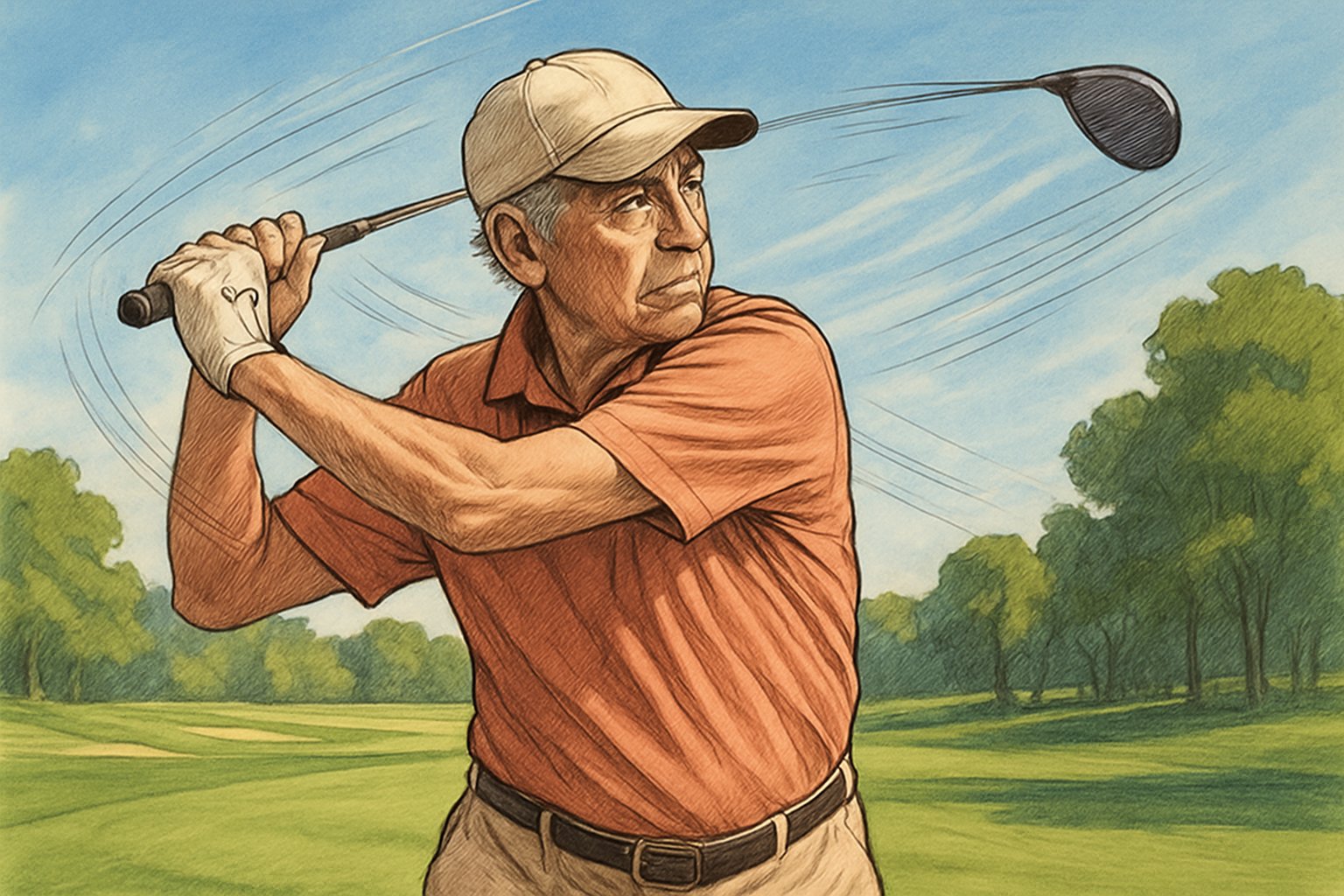
The surprising science behind late-blooming power gains
A lot of golfers over 60 just assume their days of hitting it long are over, and they brace themselves for shorter drives every year. But honestly? The outlook isn’t nearly as grim as you might think. Swing speed training can absolutely work after 60, and there’s real research showing that older golfers can add meaningful distance with the right plan.
The trick is to know what your body can actually do now, and to train smart and safely. You don’t have to swing like a tour pro to see a difference—even a small bump in clubhead speed can add real yards and, let’s face it, a lot more fun.
You’re not trying to turn back time. This is about getting the most out of what you have right now, using targeted training, working around the usual roadblocks, and building habits that keep you hitting it longer for a while yet.
Understanding Swing Speed

Swing speed means how fast the clubhead is moving at impact, and it’s a huge factor in how far your ball goes. Lots of things play a part—your fitness, your technique, and yes, age is in the mix too.
Why Swing Speed Matters in Golf
Your swing speed tells you how far you can send the ball. Every extra mile per hour of clubhead speed adds about 2.5 yards to your driver.
Say you swing at 90 mph—expect about 225 yards of carry. Push it to 100 mph, and you’re suddenly at 250 yards. That extra 25 yards? It can turn a tough 5-iron into a comfortable 7-iron.
Distance isn’t the only perk. More speed gives you more club options and better ball control.
Honestly, that’s why the pros chase even a tiny jump in swing speed every off-season.
Factors That Affect Swing Speed
Physical strength is the big one. Your core, shoulders, and hips power your swing.
Flexibility and mobility matter just as much as strength. Someone who can really rotate will often swing faster than a muscle-bound player who’s stiff.
Find the Next Perfect U.S. Golf Course to Play
Get up to 3 AI-powered personalized golf course recommendations
Your swing technique can make or break your speed. If you know what you’re doing and can execute the basics well, your swing gets more efficient—and faster.
Equipment plays a role too. The right shaft, club length, and grip size help you get the most out of your swing.
Swing speed is personal—it depends on age, fitness, and your own unique swing style.
Swing Speed Trends as We Age
Swing speed drops as we get older, but maybe not as much as you’d guess. Most folks lose about 1-2 mph per decade after 50.
Average swing speeds by age:
- 20-30 years: 95-105 mph
- 40-50 years: 90-100 mph
- 60-70 years: 85-95 mph
- 70+ years: 80-90 mph
But hey, these are averages. Plenty of golfers keep higher speeds into their senior years with the right fitness and technique.
Muscle strength naturally drops as we age, but you can slow that down with targeted exercise. Fast-twitch muscle fibers, which give you that explosive swing, fade faster than slow-twitch ones.
Flexibility usually takes a hit too. That means a smaller shoulder turn and stiffer hips, which cuts into your speed.
Can Swing Speed Training Work After 60?

Your body’s not the same after 60, but older golfers can still pick up swing speed with the right training. It’s all about knowing what’s possible and not falling for myths about what age means.
Physical Changes Past Age 60
Muscles don’t really care about your golf goals. After 60, you lose 1-2% of muscle mass a year, and those fast-twitch fibers drop off even quicker.
What changes:
- Muscle Power: Fast-twitch fibers for explosive moves drop 3-4% per year
- Flexibility: Joints get 20-30% less mobile than in your younger days
- Reaction Time: Brain-to-muscle signals slow down, so timing gets tougher
- Recovery: Muscles repair slower—think 48-72 hours now instead of just a day or two
The nervous system doesn’t fire quite as fast, which is why that perfect swing thought doesn’t always show up in your swing.
But here’s the thing: Resistance training really works for swing speed. Squats and deadlifts especially help build the leg power you need.
Common Myths About Aging and Athletic Improvement
The biggest myth? That it’s all downhill after 60. That kind of thinking keeps more golfers off the course than rain ever could.
Myth vs. Reality:
| Myth | Reality |
|---|---|
| Swing speed only decreases with age | You can maintain or even increase speed with training |
| Heavy training is risky for seniors | Gradual resistance training is safe and helpful |
| Flexibility can’t improve after 60 | Mobility work can help at any age |
Another myth says speed training means brutal cardio. Nope. You don’t need to run sprints or hammer the bike to get faster on the course.
Your body stays surprisingly adaptable well into your 70s if you train smart.
Success Stories: Improving Swing Speed Later in Life
Older golfers are out there proving age isn’t a deal-breaker. A 65-year-old recently wanted to boost driver speed from 90 mph despite back problems.
What works for them:
- Slow and steady: Start light, build up over months
- Consistency: 15-20 minute sessions, regularly
- Right equipment: Speed aids made for seniors
- Good coaching: Instructors who “get” senior bodies
Lots of seniors add 5-10 mph in six months if they stick with it. It’s about building, not blasting.
Professional drills and timing exercises help seniors safely find more speed. It’s about efficiency, not brute force.
Benefits of Swing Speed Training for Older Golfers

Swing speed training brings real improvements in distance, accuracy, and fitness for golfers over 60. And honestly, these perks go beyond your score—they can boost your whole quality of life.
Enhancing Distance Off the Tee
You don’t have to just give in to aging. Speed training helps older golfers keep or even gain swing speed using exercises that work with your body, not against it.
Typical gains:
- 5-15 yards more carry
- 10-20 mph faster clubhead speed
- 3-6 months to see clear results
The trick is to train those fast-twitch fibers—they still respond, even after 60. You’re not trying to be 25 again, just making the most of what you’ve got.
Modern training is all about gradual progress, not big, risky moves. It’s safer and fits the needs of older golfers.
Improving Consistency and Accuracy
Here’s something people miss—faster swings can actually mean more control. Proper training helps seniors play better across the board, from tee shots to chips.
More speed gives you a cushion for mishits. Even when you don’t catch it perfectly, the ball still goes farther and straighter.
Accuracy gets a boost from:
- Better tempo
- Improved balance
- Sharper muscle memory
Speed training helps your body learn the right sequence, so your swing gets more repeatable.
Plus, knowing you can swing fast without forcing it builds confidence. You’re less likely to overswing or make weird compensations.
Boosting Overall Physical Health
Swing speed training is functional fitness—it’s not just for golf. The rotation, core stability, and coordination you build help in everyday life too.
These exercises target grip strength, rotation, and injury prevention, not just generic “gym” muscles.
Physical health perks:
- Better balance and coordination
- Stronger core
- More flexible joints
- Healthier bones
The workouts aren’t crazy intense, so they’re doable for most older adults. You’re building power in short bursts, not slogging through endless cardio.
Plenty of golfers say their posture improves, back pain drops, and they just feel better after starting speed training. The movements strengthen the muscles and joints you need for daily life.
Safe and Effective Swing Speed Training Methods

Success after 60 comes down to picking exercises that build strength safely, using the right training aids, and sticking to good warm-up routines. You’ll need more warm-up and recovery than you did at 30, but results are still very much in reach.
Tailored Exercise Routines for Seniors
Focus on functional strength, not trying to relive your old gym glory days. Resistance training really helps swing speed—think squats, lunges, and deadlifts for leg power.
Core strength exercises are your base. Planks, Russian twists, and medicine ball rotations hit the muscles you use in your swing.
Upper body moves should build rotational power. Cable wood chops, band pulls, and rows help you pull strong through the downswing.
Don’t skip leg work—your legs start the swing. Leg presses, calf raises, and hip flexor stretches keep you mobile and strong for that weight shift.
Grip strength is huge as we age. Try squeezing a tennis ball or using grip trainers for 10-15 reps a day.
Using Swing Speed Training Aids
Golf training aids can help senior golfers improve their swing speed effectively when used the right way. Speed sticks get the most attention, but you really have to use them with intention—otherwise, you risk picking up bad habits instead of speed.
Weighted clubs let you practice with real golf movements. Start with a club that’s about 10-15% heavier than your driver. Mix in lighter clubs too—this wakes up those fast-twitch muscles you want firing on the course.
Swing speed radars give you instant feedback. Set one up behind your hitting area so you can actually see if your training is working, not just guess.
Resistance bands are a joint-friendly way to add resistance. You can hook them onto a club or use them on their own for rotational exercises.
Don’t get carried away with aggressive training aids. One golfer mentioned that speed training led to some bad swing habits when he rushed the process.
Importance of Proper Warm-Up and Recovery
Warming up matters even more after 60. Cold muscles and stiff joints? That’s a recipe for injuries that can keep you off the course for months.
Dynamic stretching should kick off every session. Try arm circles, leg swings, and torso rotations to get your body ready for those big turns. Ten minutes of mobility work is a good target.
Ease into it. Start swinging at about half speed, and work up to full speed over 10-15 swings. That gradual ramp-up helps you avoid strains.
Recovery isn’t optional anymore. Take rest days between intense sessions and actually listen when your body says it needs a break.
Sleep and nutrition matter. Shoot for 7-8 hours of sleep, and don’t skimp on protein—it’s your muscles’ best friend after a workout.
You don’t need to jump into ice baths, but a bit of gentle stretching after training? That’ll help you stay loose and less sore the next day.
Common Obstacles and How to Overcome Them
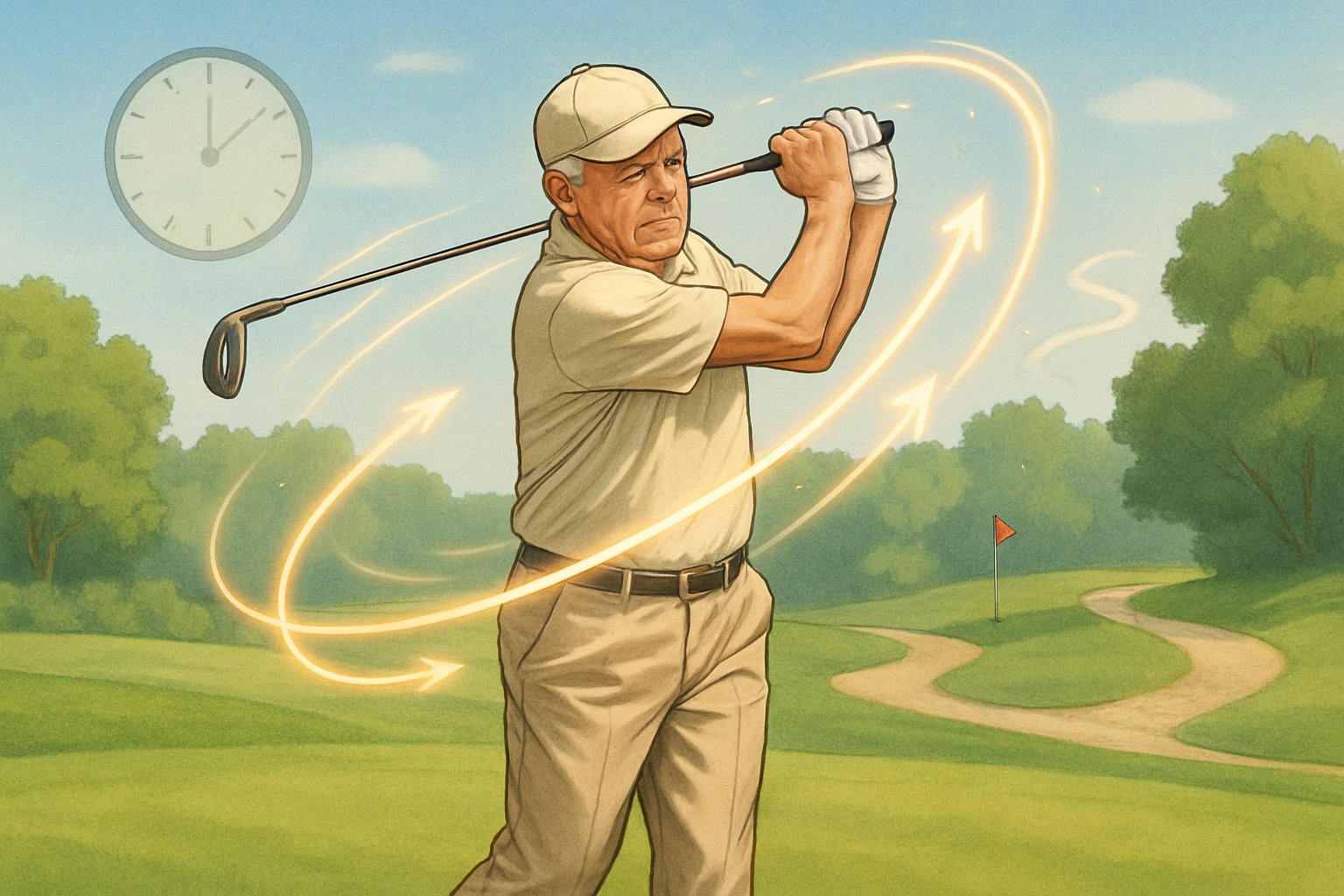
Most golfers over 60 run into a few big hurdles when trying to boost swing speed: injury risks, keeping up motivation, and figuring out how to train with a body that just isn’t what it used to be. The bright side? You can work around all of them—no need for a time machine.
Addressing Injury Risks
Your body at 60 is not your body at 30. Pretending otherwise is just asking for trouble. Safe speed training starts with a good warm-up and a slow build.
Kick off each session with 10-15 minutes of dynamic stretching—hips, shoulders, and thoracic spine should get the most attention. Arm circles, leg swings, and torso rotations do the trick.
Progressive Loading Protocol:
- Week 1-2: 50% effort swings
- Week 3-4: 70% effort swings
- Week 5+: 90% effort swings
Don’t skip the cool-down. Five minutes of static stretching at the end helps keep you limber and less sore.
If your joints start aching (not just regular muscle fatigue), stop. That kind of pain is a warning sign, not a badge of honor.
Staying Motivated for Regular Practice
It’s tough to stay motivated when you’re not seeing jaw-dropping results, especially if you’re looking over at the younger crowd. The trick is to set goals you can actually hit and to celebrate even the small wins.
Track your swing speed each week with a launch monitor or an app. Numbers don’t lie, and seeing progress—even a little—keeps you going.
Motivation Strategies:
- Set monthly distance goals, not daily ones
- Practice with a buddy to keep each other honest
- Reward yourself for showing up, not just for results
- Pay attention to how your swing feels, not just the speed
A lot of golfers like structured swing speed systems because they take the guesswork out of training. Sometimes just having a plan is half the battle.
Working Around Physical Limitations
Maybe your knees creak or your back complains. That doesn’t mean you can’t get faster—it just means you need to tweak your approach.
Seated Speed Training:
- Use resistance bands to work on arm speed
- Rotate your upper body while sitting in a chair
- Focus on hand and wrist speed
If balance is an issue, train with your back to a wall or even use a golf cart for support. The point is to keep the speed, even if you have to adjust your setup.
Medicine ball throws are another good option. They build the same explosive power without needing perfect balance or posture.
Equipment Modifications:
- Try lighter clubs if your hands are arthritic
- Use bigger grips for better control
- Shorter shafts can help your balance
The best speed training adapts to you, not the other way around.
Integrating Swing Speed Training Into Your Golf Routine

If you want to stick with swing speed training, you need a routine that fits your life. Don’t obsess over the numbers. Build habits that last longer than your New Year’s resolutions.
Creating a Sustainable Practice Schedule
You don’t have to dedicate your whole day to swing speed—think slow and steady. There’s research showing that just 60 swings a week can boost speed as much as three times that.
Try three 10-minute sessions a week. Tuesday, Thursday, and Saturday space things out nicely. You can swing speed sticks in your garage, basement, or even your backyard—no need for a fancy setup.
Weekly Schedule Example:
- Monday: Rest or regular golf
- Tuesday: 10-minute speed session
- Wednesday: Regular practice or play
- Thursday: 10-minute speed session
- Friday: Rest
- Saturday: 10-minute speed session
- Sunday: Regular golf round
Get the habit down first. After a month, add five minutes to each session if you’re feeling good. Your body will thank you for the slow ramp-up.
Tracking Progress Without Stress
Tracking is helpful, but don’t let it drive you nuts. Your swing speed will bounce around based on sleep, weather, even coffee.
Test once a week, always under similar conditions. Warm up with five normal swings, then take three max-effort swings and record your best. Jot it down in a notebook or on your phone.
Monthly Progress Markers:
- Week 1: Set your baseline
- Week 4: Look for a 1-2 mph bump
- Week 8: Shoot for 3-4 mph improvement
- Week 12: Take stock of the big picture
Some days, you’ll feel slow. Other days, you’ll surprise yourself. Don’t sweat the daily numbers—watch the trend month to month.
And just so you know, 5 mph more clubhead speed can mean 20 extra yards. Small gains add up.
Getting Guidance from a Golf Professional
A good coach keeps you from picking up bad habits while you chase more speed. They’ll help you keep your technique solid as you add power.
Book a lesson before you dive in. Your pro can spot swing issues or physical limits that might trip you up. They’ll also show you the right fundamentals for faster, safer swings.
What to Ask Your Pro:
- How efficient is my swing right now?
- Are there any physical issues I need to address?
- What’s a solid warm-up routine?
- How do I know if I’m overtraining?
Monthly check-ins for the first three months are smart. Your coach can catch problems early and help you turn new speed into better golf performance.
Some instructors focus on speed training for older golfers. It’s worth finding someone who gets the unique challenges of training past 60.
When to Expect Results from Swing Speed Training

You’ll probably notice your first improvements after 2-3 weeks of consistent training. Don’t expect to suddenly bomb it 30 yards farther overnight—early gains are subtle, sometimes so much so you’ll wonder if you’re imagining them.
Studies show that with a structured plan, you might see real, measurable improvements after six weeks of training twice a week. That’s about 12 sessions before you’ll have brag-worthy data.
Early Stage Progress (Weeks 1-3):
- Smoother tempo and better timing
- More muscle activation
- Improved body awareness
Measurable Gains (Weeks 4-8):
- 2-4 mph faster swing speed
- Noticeable distance boosts
- More consistent contact
Age does slow things a bit, but not as much as you might think. Programs designed for seniors show that patience pays off. Your body just needs a bit more time to catch up.
Key Timeline Factors:
| Factor | Impact on Results |
|---|---|
| Training frequency | 2-3x weekly is ideal |
| Current fitness | Better shape, faster results |
| Technique | Good form speeds things up |
| Recovery | Rest keeps you from plateauing |
The magic window for big results is usually 8-12 weeks. After three months, you should see clear proof that your effort is paying off.
Maintaining Results for the Long Run

Getting faster after 60 is great, but keeping that speed? That’s the real trick. It’s all about adapting your routine, building daily habits that support your training, and spotting problems before they become setbacks.
Adapting Your Routine with Age
Your training at 65 won’t look like it did at 60, and that’s normal. As your body changes, your approach should too.
Recovery time matters more each year. Maybe you trained four days a week in your early sixties—now, three sessions might actually work better. Muscles need extra time to heal and get stronger.
Intensity should shift from all-out to controlled power. Instead of swinging a heavy club as hard as you can, focus on smooth, strong movements. Overspeed training can really stress your body, so controlled work tends to pay off more as you age.
If you notice joint stiffness, constant tiredness, or your numbers start dropping, that’s your cue to tweak the routine—not power through.
Lifestyle Habits That Support Longevity
What you do off the course matters just as much as training. Small, steady habits make your gains stick.
Good sleep helps your muscles recover and keeps your coordination sharp. Seven to eight hours is a solid goal, even if it means skipping that late-night TV show.
Eat protein within half an hour after training—your muscles will thank you. And don’t forget to hydrate; flexible joints are happy joints.
Move every day. Walk, stretch, do some light chores—whatever keeps you active. Staying mobile and balanced helps you call up power when you need it most.
Avoiding Common Setbacks
The real enemy of your swing speed gains isn’t age—it’s those annoying mistakes that make you start from scratch.
Overtraining is a classic progress killer. Just because you’re pumped doesn’t mean you should pile on extra sessions. Trust your routine. More isn’t always better, and honestly, your body will let you know when it needs a break.
Ignoring minor aches? That’s a fast track to sitting out with a bigger injury. If something feels off, deal with it right away. Don’t just cross your fingers and hope it disappears.
Inconsistent practice… well, that’s a recipe for frustration. Skip a couple weeks and you might wipe out a month’s worth of hard work. Try to block off your training times like they’re meetings you can’t miss. It’s a promise to yourself, after all.
Equipment neglect sneaks up on people, too. Take a quick look at your clubs and training gear every now and then. A worn grip or busted aid can mess with your swing or, worse, your safety.
Final Thoughts: It’s Never Too Late to Add a Little Zip

Your swing speed doesn’t have to fade just because the years tick by. Yeah, club head speed naturally drops with age, but you’re not stuck watching your drives shrink.
It’s all about staying realistic but squeezing out what you can. Maybe you won’t suddenly start outdriving the pros, but adding 5-10 mph? That’s honestly within reach if you put in the effort.
Speed training helps most when you’ve got:
- Time to actually practice regularly
- Patience to get your swing rhythm back
- The grit to hit balls after speed workouts
Your body still answers when you train it right. Sure, progress might crawl compared to your younger days, but hey—progress is progress.
Don’t forget, good mechanics are essential. Chasing speed without solid fundamentals? You’ll just send bad shots flying faster.
If you want some structure, specialized swing speed training systems are out there for folks who want to claw back some lost power.
You’ve got decades of golf smarts under your belt. Why not tack on a few extra yards to go with that wisdom? Honestly, that’s a combo most younger players would envy.
Find the Next Perfect U.S. Golf Course to Play
Get up to 3 AI-powered personalized golf course recommendations
Please note that some of the imagery in this article were created with the aid of AI image generators.