
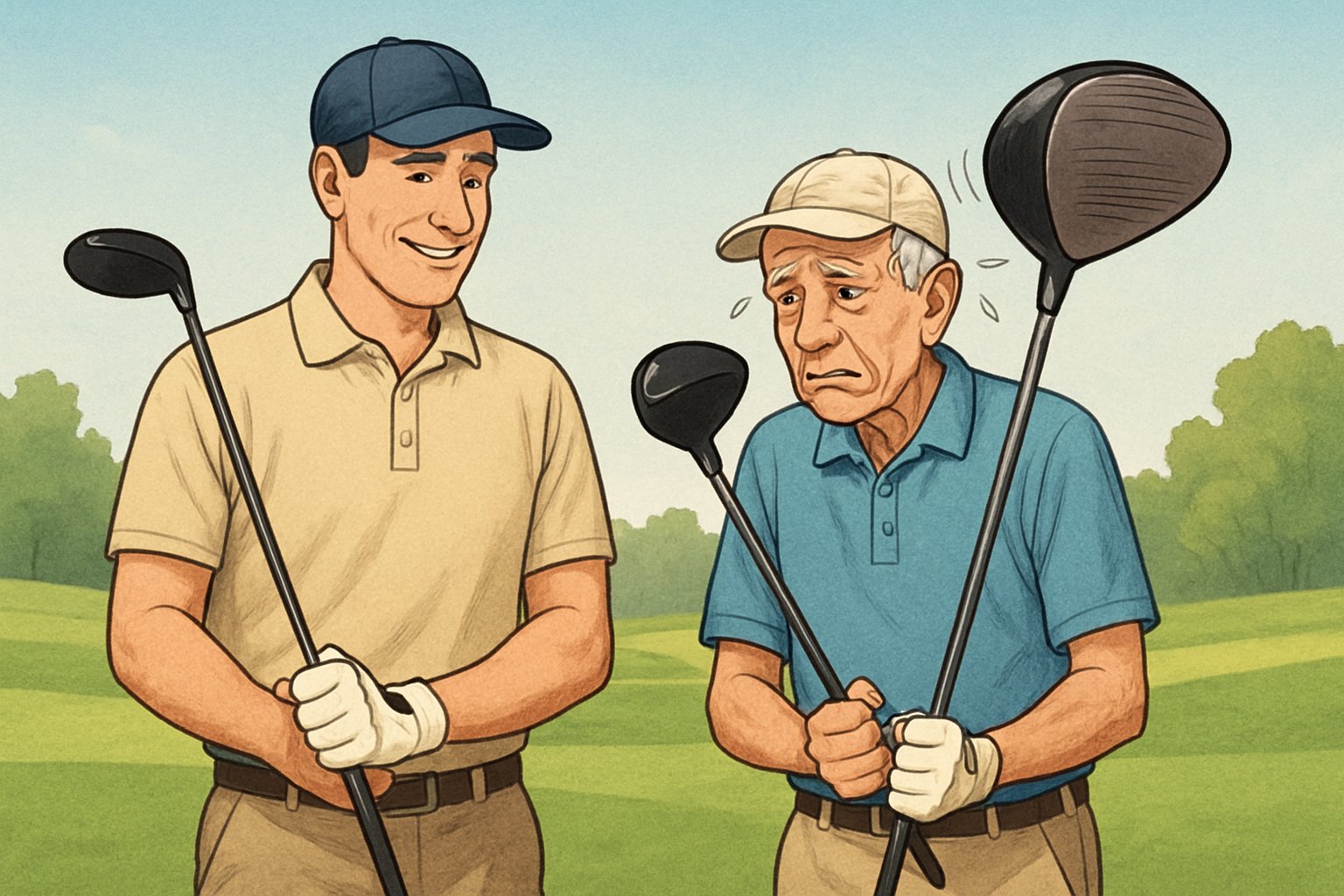
Why senior golfers might be sabotaging their swing speed!
As we get older, our golf swings just… change. That driver you loved in your 40s? Suddenly it feels like you’re swinging a sledgehammer. The weight of your driver starts mattering a lot more as you age, messing with your swing speed, timing, and honestly, your enjoyment out there.
Can your driver be too heavy for your age? Absolutely. Using a club that’s just not right for you anymore can zap your distance, mess with your accuracy, and make the game less fun. Age changes your swing in ways that make club weight a bigger deal than most folks realize.
If you’re noticing you don’t hit it as far, your timing feels off, or you’re just plain tired after a round, your driver’s weight could be the sneaky culprit. Matching your gear to what your body can actually handle isn’t waving the white flag—it’s just smart, and it keeps the game fun.
Understanding Golf Driver Weight

Driver weight isn’t just one thing—it’s a combo of parts working together. Most drivers clock in between 9-12 ounces. How that weight’s spread out affects your swing speed, control, and how far you can send it.
What Determines the Weight of a Golf Driver
Your driver’s heft comes from three main parts working together. The head usually weighs about 200 grams, making it the big dog in the mix.
The shaft is next, usually anywhere from 50 to 80 grams, depending on what it’s made of and how stiff it is.
Then there’s the grip—generally around 50 grams if you’re using a standard one. If you go bigger or use different materials, that changes things a bit.
Other stuff? Sure, there are adjustable weights, ferrules, even the epoxy holding it all together. Some brands add or subtract material to fine-tune things.
And don’t forget: a longer driver can actually feel heavier, even if the scale says otherwise. More length means more leverage, which can sneak up on you during your swing.
Standard Weight Ranges for Drivers
Most drivers land in pretty familiar territory, weight-wise. Men’s drivers average about 310 grams, while women’s models are usually lighter.
Find the Next Perfect U.S. Golf Course to Play
Get up to 3 AI-powered personalized golf course recommendations
Here’s the usual breakdown:
| Component | Men’s Weight | Women’s Weight |
|---|---|---|
| Driver Head | 200g | 185-195g |
| Shaft | 60-70g | 45-55g |
| Grip | 50g | 45-50g |
| Total | 310-320g | 275-300g |
Seniors often do better with lighter setups—think closer to women’s weights. But honestly, your swing speed matters more than your age or gender here.
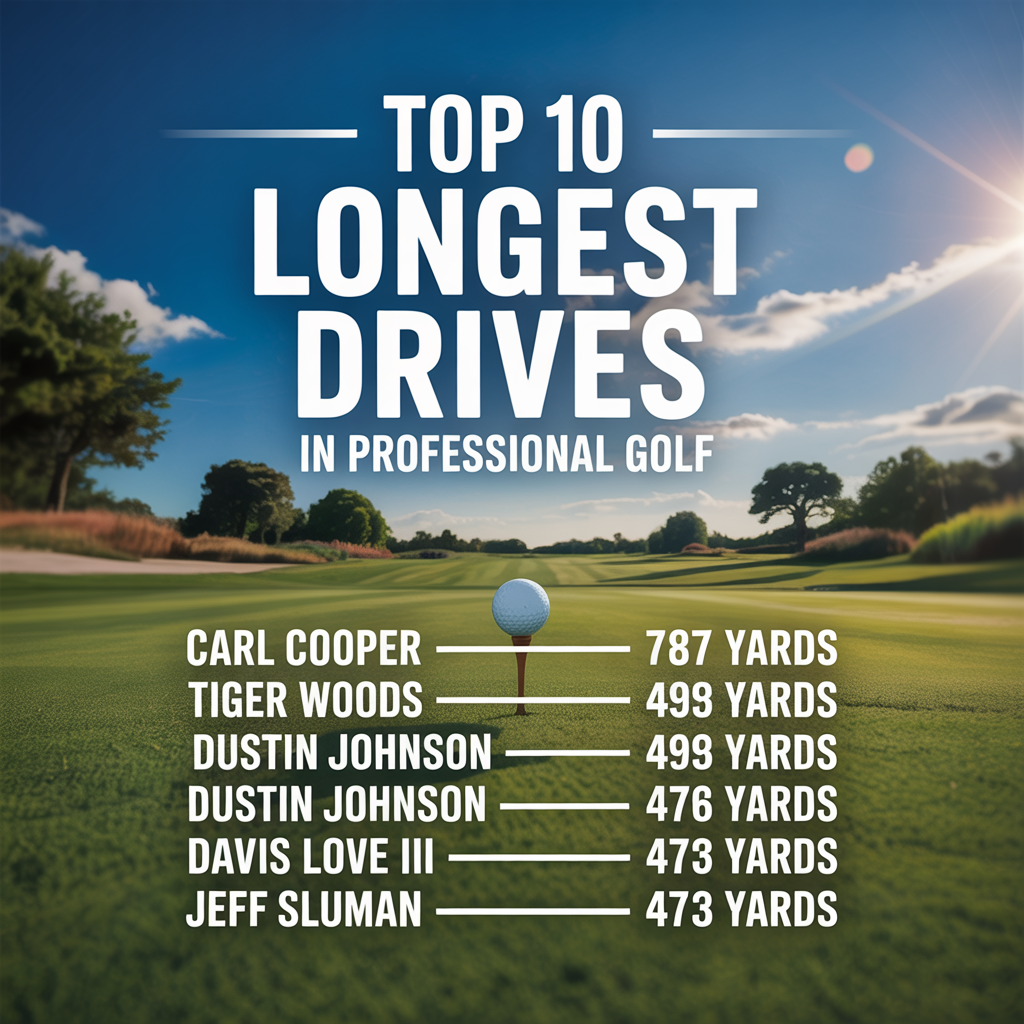
Some drivers go as light as 270 grams, while tour pros might swing something over 330 grams. It’s all about what feels right for your swing.
Driver Weight Versus Shaft Weight
The shaft’s weight really changes how the whole club feels. Shaft weight has a big impact on your swing tempo and clubhead speed.
Lighter shafts (50-65g) help boost your clubhead speed, but you might lose a bit of control. Good if you’re struggling to get distance.
Heavier shafts (70-85g) give you more stability and control, but they’ll usually slow your swing down. Great if you’ve got a fast tempo or need to tighten up your shot pattern.
Think of the shaft as the engine—if it doesn’t match your swing, you’ll run into timing headaches.
Trying out different shaft weights can be eye-opening. A lot of golfers discover their favorite isn’t the lightest or heaviest, but somewhere in between.
How Age Impacts Golf Swing Mechanics
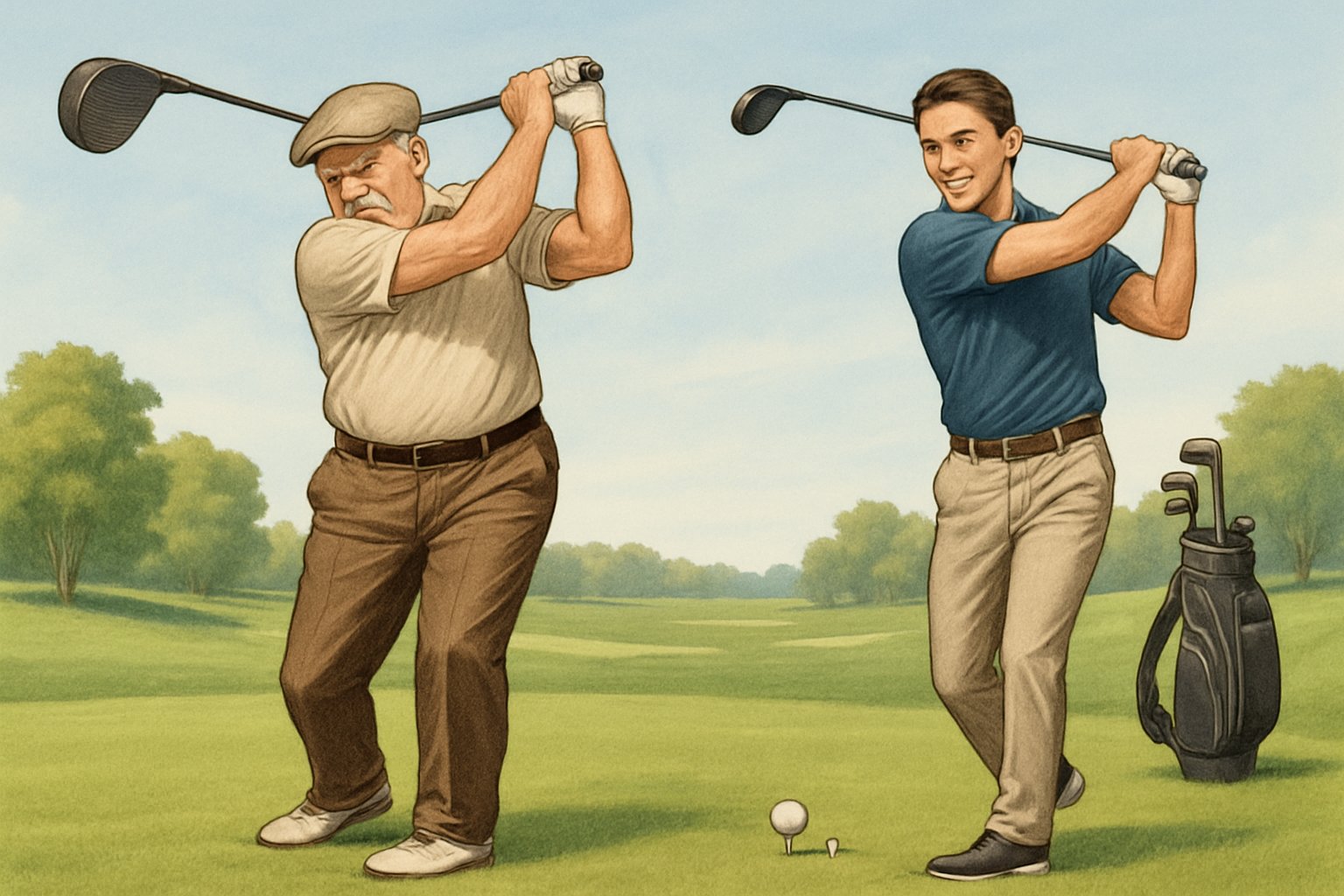
Getting older changes your swing mechanics in ways you can’t always control. Your body just isn’t the same, and that affects swing speed, power, and how consistent you are with the driver.
Physical Changes With Age
Certain things just start to shift as you age. Your joints get stiffer—hips and shoulders especially—which means you can’t turn as much or as fast.
Muscle mass drops off, about 3-8% per decade after 30. Fast-twitch fibers, the ones that help you really rip it, are the first to go.
Grip strength fades, too. That makes it tougher to control a heavier club through impact, and you might start missing the sweet spot more often.
Balance gets trickier. Your body’s sense of where it is in space (proprioception, if you want to sound fancy) isn’t as sharp, so your swing plane and timing can get a little wonky.
Swing Speed and Power Evolution
Your swing speed usually drops 1-2 mph each year after 50. That’s thanks to less flexibility, less muscle, and your body’s energy transfer chain not firing like it used to.
The way your body transfers power—starting from your legs and moving up—gets less coordinated. Hips slow down, arms take over, and you lose efficiency.
Swing speeds slow down with age, so a driver that felt perfect at 45 can feel like a brick at 65.
You’ll also lose some of that “lag”—the angle between your lead arm and the club shaft. That’s what gives you that whip at impact, and as it fades, so does your clubhead speed.
Flexibility and Endurance Considerations
Shoulder turn shrinks as your upper back stiffens. That means you have to adjust, and sometimes those adjustments make your swing less efficient.
Tight hips can pull you upright, changing your swing arc and where you hit the ball.
Little changes in your swing mechanics—often from working around tight spots—can make heavier drivers much harder to control.
Endurance? That changes, too. Swinging a heavy driver wears you out faster over 18 holes, and fatigue only makes your swing flaws worse as the round goes on.
And let’s be honest: recovery after a round takes longer, especially if you’re fighting your equipment.
Effects of a Heavy Driver on Your Game
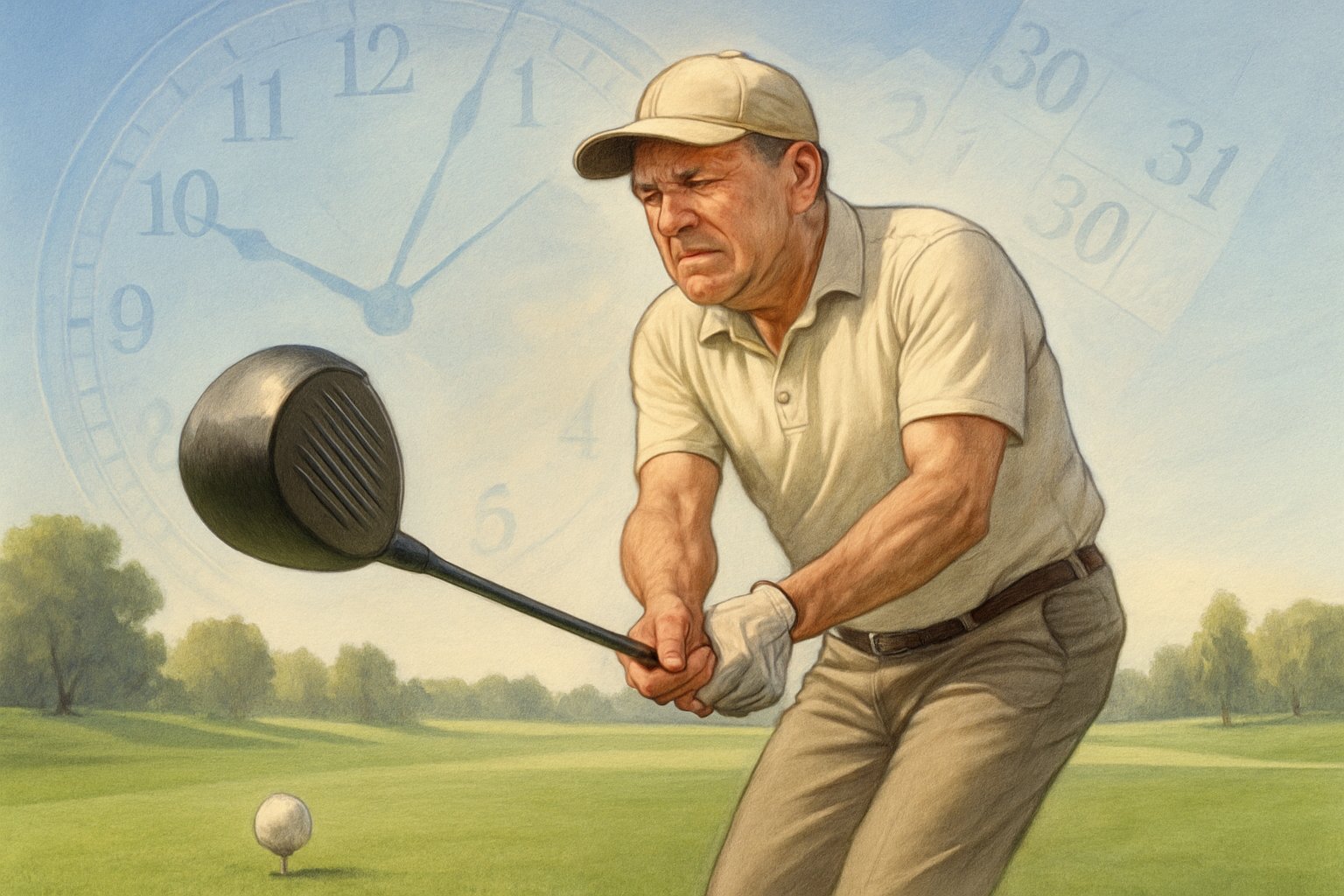
If your driver’s heavier than what you can handle, you’re in for a rough ride. The extra weight messes with just about everything—your swing, your energy, even your mood by the end of the round.
Impact on Swing Speed
Swing speed takes the biggest hit. A heavier shaft slows down your clubhead speed for most folks, and that means lost distance.
It’s pretty simple: less speed, less yardage. Most people lose 2-3 mph of swing speed when switching to a driver that’s too heavy.
Your tempo gets thrown off, too. You’ll either try to muscle it (and swing too hard) or slow down at impact. Either way, you’re not getting those buttery-smooth drives.
How to tell your driver’s slowing you down:
- You feel rushed or forced during your swing
- Can’t seem to hit the center of the face
- Tired after just a few practice swings
- Drives aren’t going as far as they used to
Influence on Ball Flight and Distance
Heavy drivers don’t do your ball flight any favors. Slower swing speed usually means lower launch and less distance, especially if you can’t get the club moving fast enough.
Your launch angle drops, so the ball comes out low, and while it might look cool, it’s not going to carry as far.
The weight can also mess with your ability to square the clubface. You’re more likely to leave it open (slice) or flip it closed (hook), and nobody wants that.
What you might see:
- Ball comes out lower than you want
- Not getting the carry distance you expect
- Shots are all over the place
- Struggling to control the clubface
Potential for Fatigue and Injury
Swinging a club that’s too heavy is just asking for trouble. Your wrists, elbows, and shoulders take a beating.
You’ll feel worn out faster, especially during longer practice sessions or on the back nine. Drives get shorter and wilder as you tire out.
Over time, this can lead to nagging injuries—golfer’s elbow, wrist pain, even shoulder problems. Not exactly what you want from a hobby.
Red flags:
- Sore wrists or forearms after playing
- Drives get shorter as the round goes on
- Shoulders tense up mid-swing
- Feeling wiped after just a few holes
If you’re really not sure, getting professionally fit is worth it. A good fitter can dial in the specs to match what your body can actually handle.
Signs Your Driver May Be Too Heavy
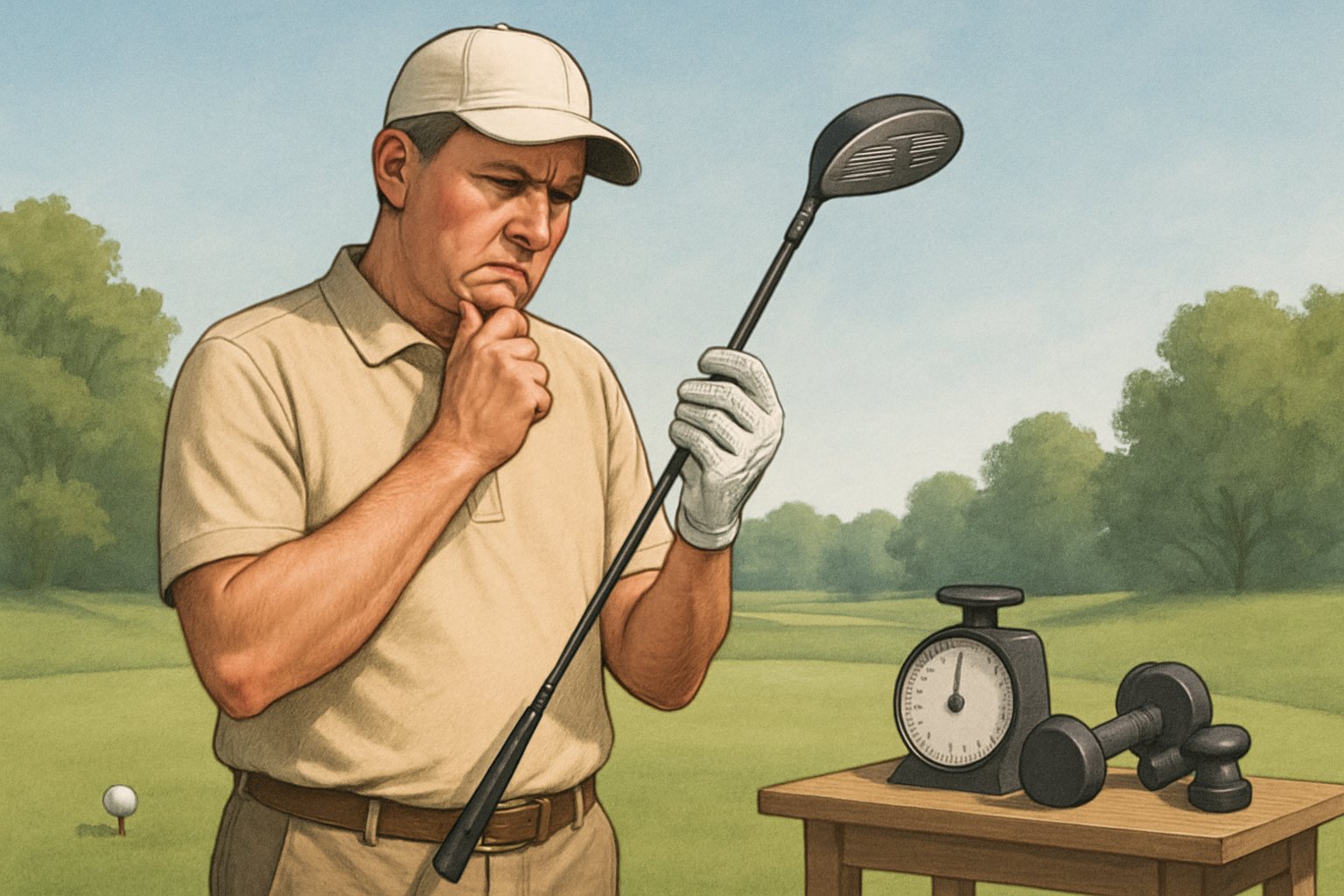
If your driver feels more like a boat anchor than a golf club, your body’s probably already sending up warning flares. The biggest clues? You’re not hitting it consistently, your swing speed’s down, and you’re dragging by the back nine.
Decreased Consistency and Accuracy
Your swing path goes haywire with a heavy driver. Heavy shafts can make your swing feel forced and make it tough to hit the ball cleanly.
Shots start flying everywhere—left, right, short, long. The weight throws off your timing, so the clubface is all over the place at impact.
What you might notice:
- Pushing shots right
- Ball flight is unpredictable
- Can’t control the height of your drives
- Missing the sweet spot more often
If you’re consistently pushing drives, it might be the swing weight holding you back. Your muscles end up compensating, and the clubface stays open at impact when you can’t get enough speed.
Loss of Clubhead Speed
A heavy driver can turn your swing into a slog. It’s like swinging through mud instead of air.
Your rhythm gets thrown off as you try to force the club through. That messes with your timing and costs you speed.
How it shows up:
- Drives aren’t going as far
- Feels like you’re working harder for less
- Can’t get that satisfying “whoosh” at the bottom
- Getting tired sooner than you used to
The link between shaft weight and clubhead speed is pretty unforgiving. Every unnecessary gram slows you down.
Your body might try to slow the whole swing down just to keep things under control. Sometimes, less is just… more.
Physical Discomfort After Rounds
Golf really shouldn’t leave you feeling like you spent the afternoon chopping wood. Heavy clubs can have the added effect of exhausting you by the end of a round.
Your forearms, shoulders, and back take a beating when you’re swinging too much weight over and over. What might start as a little fatigue early on can turn into real discomfort by the 18th hole.
Physical warning signs:
- Forearm tightness or burning
- Shoulder strain during or after play
- Lower back stiffness
- Increasing grip pressure as the round goes on
Swinging an overweight driver 40-50 times wears out your muscles and can throw off your whole game. Tired arms and hands lose their touch, especially around the greens.
Notice how you feel after you finish. If you’re wiped out after a regular round, maybe your clubs are fighting you instead of helping.
Choosing the Right Driver Weight for Your Age
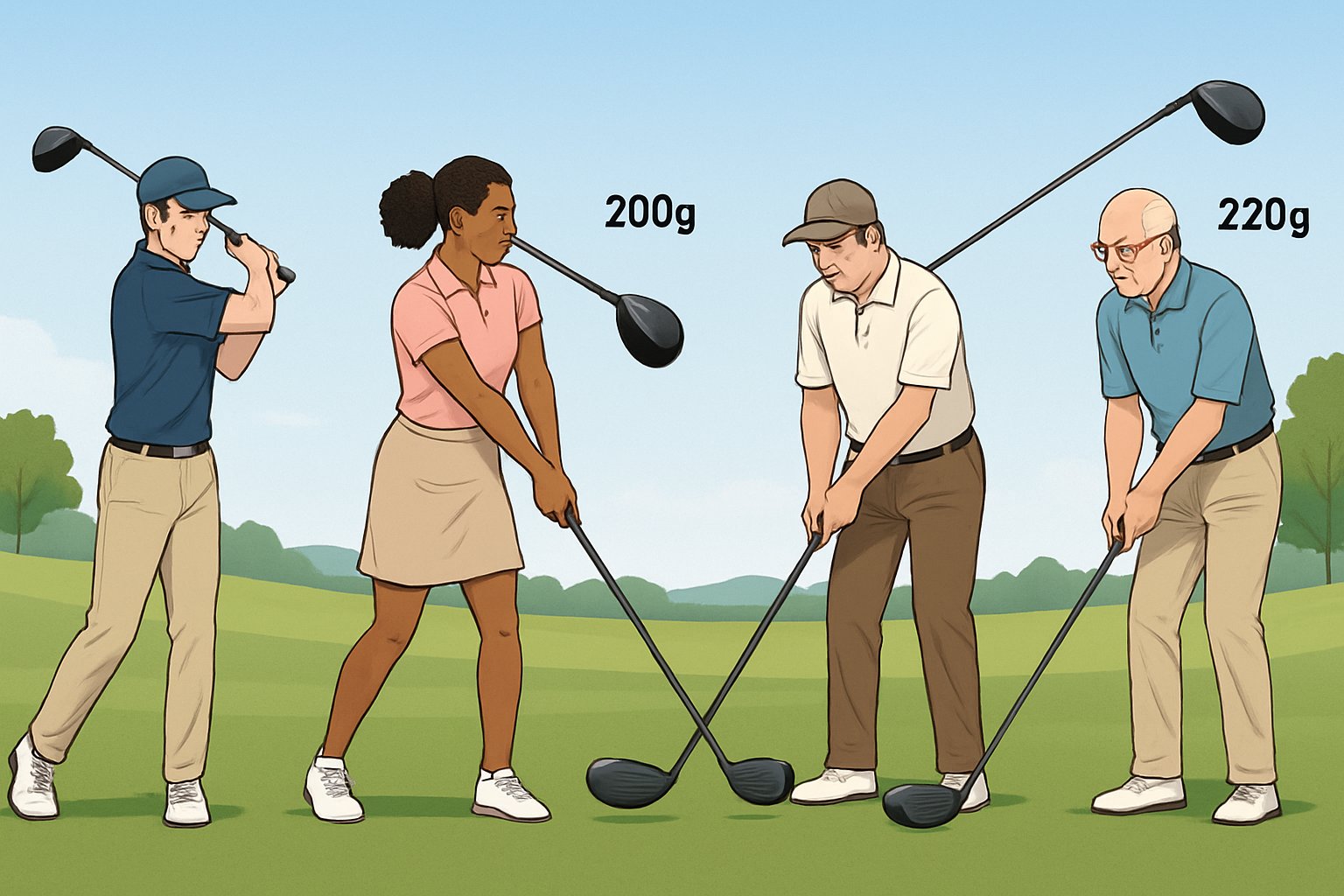
As you get older, your swing speed drops off, so driver weight selection matters more than ever if you want to keep hitting it long and straight. It’s not always fun to admit, but getting real about your abilities, testing different setups, and getting some expert advice makes all the difference.
Assessing Your Current Physical Condition
Be honest with yourself. Your swing speed probably isn’t what it used to be—most folks lose a couple mph per decade after 50.
Flexibility plays a bigger role than you might think. If you can’t turn your shoulders or hips like you used to, controlling a heavy driver is tough.
Key things to check:
- Your swing speed with your current driver
- Flexibility in your shoulders, hips, and spine
- Grip and arm strength
- Any pain or mobility issues
If you’re squeezing the grip like your life depends on it, odds are your driver’s too heavy.
Your tempo’s probably slowed down, too. Slower, smoother swings usually work better with lighter clubs that you can whip through the ball.
How to Properly Test Driver Weights
Grab a range of shaft weights—try at least a 20-gram spread. Go from ultra-light to mid-weight to heavier, and see what feels right.
Hit at least 10 shots with each. The first few always feel weird, so don’t rush to judge.
Testing steps:
- Warm up with your own driver
- Try the lightest weight first
- Move up to heavier ones
- Circle back to lighter for comparison
- Pay attention to feel, ball flight, and consistency
Focus on your timing and rhythm, not just distance. The right weight keeps your swing in sync.
Watch your shot pattern. The best-weighted driver should tighten up your left-right misses, even if you lose a couple yards.
Working With a Fitting Professional
A good club fitter measures your real swing speed and can suggest the right weight range. They’ll spot things in your swing you might not even notice.
Launch monitors today show exactly how different weights change your ball flight. Everything from spin to where you hit it on the face shifts with driver weight.
Fitters have loads of shaft and head combos you probably can’t find at your local shop. Saves you time and money, honestly.
Expect this at a fitting:
- Baseline numbers with your current club
- Testing 4-6 different weight combos
- Analysis of launch and ball flight
- Real recommendations for your swing
Leave your ego at the door. The right fitter wants you to play your best, not just swing what you wish you could.
Age-Specific Driver Weight Recommendations

Your age changes your swing speed, strength, and timing, so driver weight selection isn’t just a detail—it’s a big deal for playing your best. Picking the right shaft for your age means knowing how your body’s changed.
Best Practices for Senior Golfers
As you age, lighter drivers become your best friend. Senior players get more distance and consistency with lighter shafts.
Suggested Weight Range:
- Total Driver: 280-300 grams
- Shaft: 45-55 grams
- Head: 200-205 grams
Lighter drivers make it easier to swing fast without straining. Your muscles might not fire like they used to, but the right weight can keep you in the game longer.
If you’re really struggling for distance, give ultra-light shafts a try—those 40-50 gram models can help you pick up a few extra yards.
Why go lighter?
- Easier swings
- Less fatigue over 18 holes
- Better launch with slower swings
- Timing and rhythm stay on point
Middle-Aged Golfer Considerations
You’re in that spot where you’ve still got some strength but can’t ignore the passing years. Driver weight matters even more now—it’s all about balancing power and control.
Ideal Weights:
- Total Driver: 300-320 grams
- Shaft: 55-65 grams
- Head: 200-210 grams
Most in this group swing 90-105 mph, so you can handle moderate weight, but too much will rob you of distance.
What to look for:
- Keep swing speed up, focus on accuracy
- Find the sweet spot between control and distance
- Try adjustable weights if you like tweaking
- Consistency beats chasing max distance
If you’re feeling aches or stiffness, don’t be afraid to go lighter. Your body (and your score) will probably thank you.
Driver Weight for Younger Players
Younger golfers usually have the speed and strength, but that doesn’t mean you should just grab the heaviest club. Test a range of weights to find your best combo of control and power.
Recommended Weights:
- Total Driver: 315-335 grams
- Shaft: 60-75 grams
- Head: 205-215 grams
If you’re swinging over 105 mph, you can handle heavier gear. The extra weight can help rein in a wild swing and still keep your distance up.
Benefits of the right weight:
- Smoother tempo
- Tighter shot pattern
- Better feel at impact
- More shot-shaping options
Don’t assume heavier always means farther. A too-heavy driver can actually slow you down and cost you distance.
Try clubs with shafts from 60-75 grams and see what feels best.
Optimizing Performance With the Right Equipment
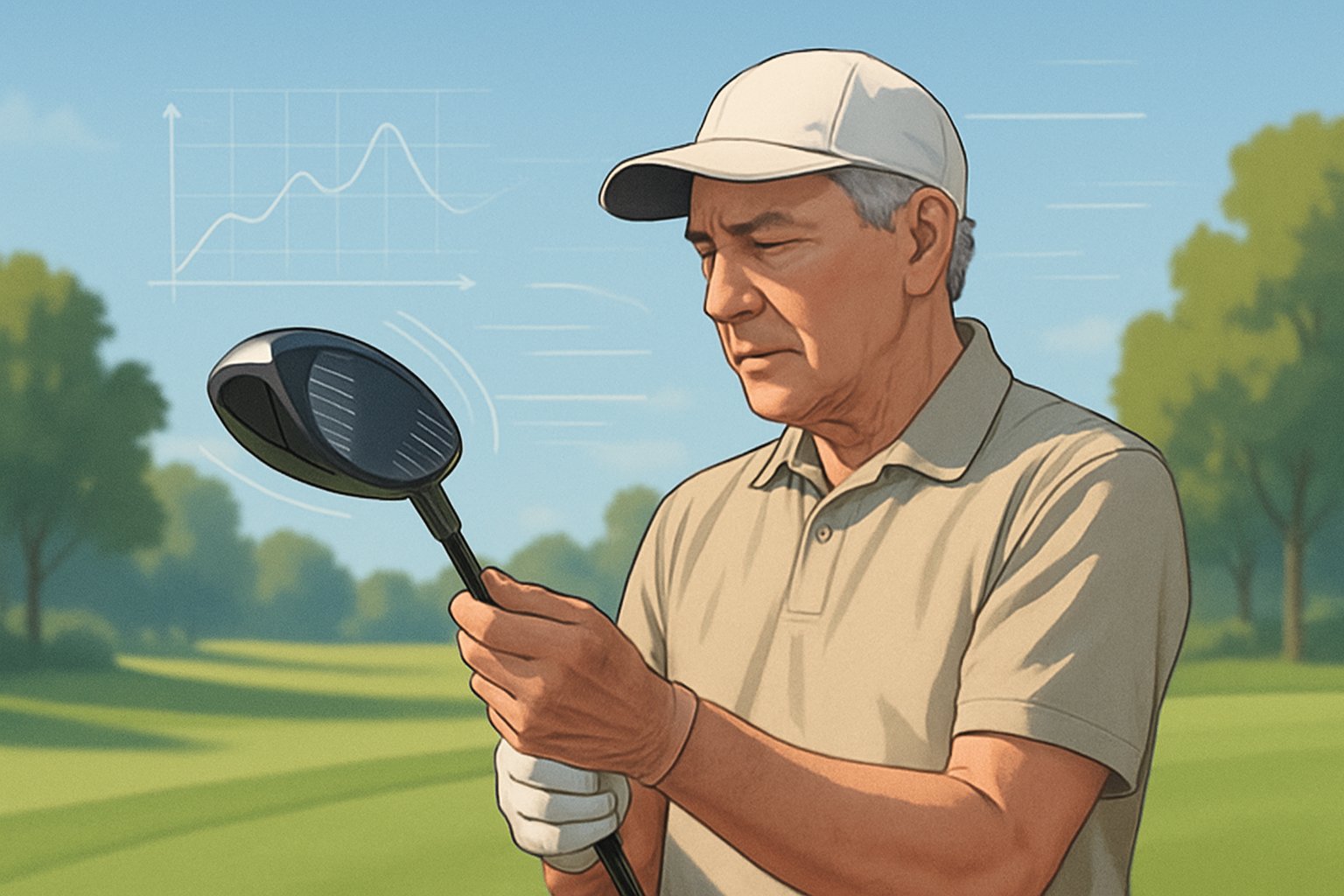
Getting the perfect driver weight for your age isn’t just about numbers. Your swing, the shaft you pick, and your physical shape all come together to help you play your best.
Adjusting Technique for Heavier or Lighter Drivers
Your swing tempo has to match your driver’s weight. Heavier drivers call for a more measured, steady swing to stay in sync.
If you’re using a heavier driver, start your downswing smoothly. Let the weight do some of the work, and don’t force it from the top. This keeps you balanced and helps you hit the sweet spot.
With lighter drivers, timing changes—they move faster. Don’t get greedy and overswing, or you’ll lose contact and distance. Instead, swing smooth and let the lighter club help you build speed.
Quick tempo tips:
- Heavy drivers: Slow takeaway, build up speed gradually
- Light drivers: Smooth but a little more assertive
Mix it up at the range. Use your usual driver, then try one 10-15 grams heavier or lighter to feel the difference in tempo.
Matching Shaft Flex and Grip to Driver Weight
Driver weight affects your swing speed and distance, so picking the right shaft flex matters. A heavier head slows you down, so you might need a softer flex to get the ball up.
It’s kind of a balancing act—as the driver gets heavier, you may want to go from stiff to regular flex. With lighter drivers, sometimes a stiffer shaft gives you more control.
Flex suggestions:
- Under 290g: Try stiffer flex
- 290-310g: Match to your swing speed
- Over 310g: Consider softer flex
Grip size changes the feel, too. Bigger grips can tame a heavy driver, while smaller ones make lighter clubs feel lively.
Optimizing your gear means juggling a few things. Keep your grip pressure steady—let the club do the work.
Incorporating Fitness to Support Driver Selection
Your fitness level really shapes which driver weight suits you, especially as you get older. Stronger golfers do fine with heavier clubs, but if your strength is fading, a lighter driver is usually smarter.
Core strength matters a lot with heavier drivers. Without it, you’ll lose your posture and start hitting it all over the place.
Fitness focus by driver weight:
- Heavy driver: Build core strength and rotational power
- Light driver: Work on flexibility and swing speed
Training for clubhead speed and optimizing launch depends on your driver weight. Heavy driver? Hit the weights more. Light driver? Stay limber and quick.
Simple stuff like planks, Russian twists, and resistance bands help everyone. The main thing is, if you like heavier gear, train harder.
Be honest about your fitness when picking a driver. A lighter club that you can swing confidently usually beats a heavy one that wears you out.
Common Myths About Driver Weight and Age

Myth 1: Older golfers must use lighter drivers
People toss around this idea like it’s a law of nature, but it just isn’t that simple. Sure, lighter shafts can sometimes help older golfers pick up a little swing speed, but honestly, it comes down to how you swing—not the year on your driver’s license. Some folks keep their strength and tempo well into their 70s, while others don’t.
Myth 2: Heavier drivers always equal more distance
You’ll hear folks at the range swear that adding weight to your driver means more ball speed and distance. Well, maybe for a few—but not for everyone. A heavier driver might just drag your swing down and sap your speed. It’s not a magic fix.
Myth 3: There’s an ideal weight for each age group
No chart or secret algorithm matches your age to the perfect driver weight. You’ve got to look at your own fitness, how you swing, and how often you actually play. Age is just a number—your swing tells the real story.
Myth 4: You can’t make a driver too heavy
Technically, there aren’t strict rules about driver weight limits, but trust me, you can absolutely go overboard. Too much weight throws off your timing and chops down your swing speed. It’s not a fun experiment.
Myth 5: Weight adjustments don’t matter
Some people shrug off tiny weight tweaks like they’re nothing. But even small changes can totally change how your swing feels and mess with your ball flight. If you care about your game, you’ll notice.
Final Thoughts on Selecting the Ideal Golf Driver

Finding the perfect driver definitely takes more than just thinking about your age. Sure, weight matters, but honestly, it’s just one part of the whole story.
A bunch of factors come together to make your setup feel just right:
- Swing speed shapes what loft and shaft flex work best for you
- Launch angle plays into both distance and accuracy
- Shaft weight changes up the feel and how much control you have
- Club head design can make the club more forgiving
Picking a driver is a balancing act. If your club feels too heavy, you’ll probably fight for clubhead speed. Too light? Suddenly, you might not trust your control when you need it most.
Your body changes over the years. That driver you loved at 30 might feel like overkill at 60. It’s totally fine to admit your swing and strength aren’t what they used to be.
Getting a professional fitting really helps. A good fitter will watch your swing, check your numbers, and help you find specs that actually work for you. They’ll look at your age, how strong you are, and what your swing naturally does.
Honestly, finding the right driver swing weight takes a bit of patience. Sometimes it’s trial and error—and you might just be surprised by what ends up feeling best.
Forget about what the tour pros use. Their game is a whole different animal. What matters is what helps you find more fairways and have more fun.
The right driver can completely change how you feel standing on the tee. It’s about confidence as much as performance.
Your driver should just feel like a natural part of your swing—not something you’re dragging around for 18 holes.
Find the Next Perfect U.S. Golf Course to Play
Get up to 3 AI-powered personalized golf course recommendations
Please note that some of the imagery in this article were created with the aid of AI image generators.