
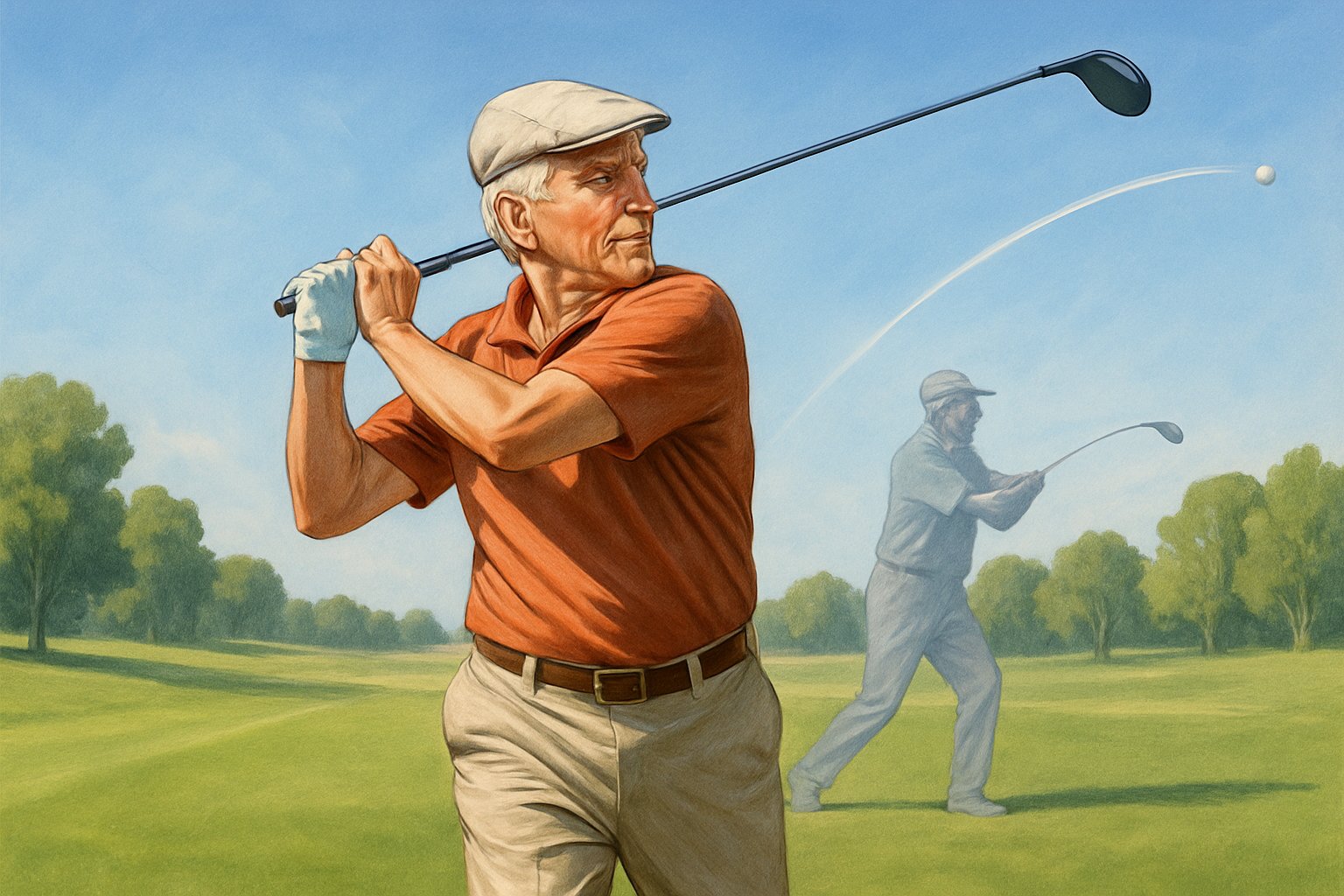
After decades of watching your drives fade and your iron shots come up short, you might be wondering if those shiny new graphite shafts are the secret to getting some of that lost distance back in your golf game. The idea of an extra 20 yards is pretty tempting, especially when you see younger players casually outdriving you by 30 yards.
Graphite shafts can add distance for golfers over 60, but whether you’ll see a full 20 yards? That depends on your swing speed, your current clubs, and honestly, how mismatched your gear is right now. The lighter weight and extra flex of graphite can help you swing faster, but the actual distance boost is all over the map from one golfer to the next.
The truth about graphite shafts sits somewhere between flashy marketing and outright skepticism. Your swing, your fitness, and your gear all factor in. Will a switch change your game or just drain your wallet? That’s the real question.
Understanding Graphite Shaft Golf Clubs
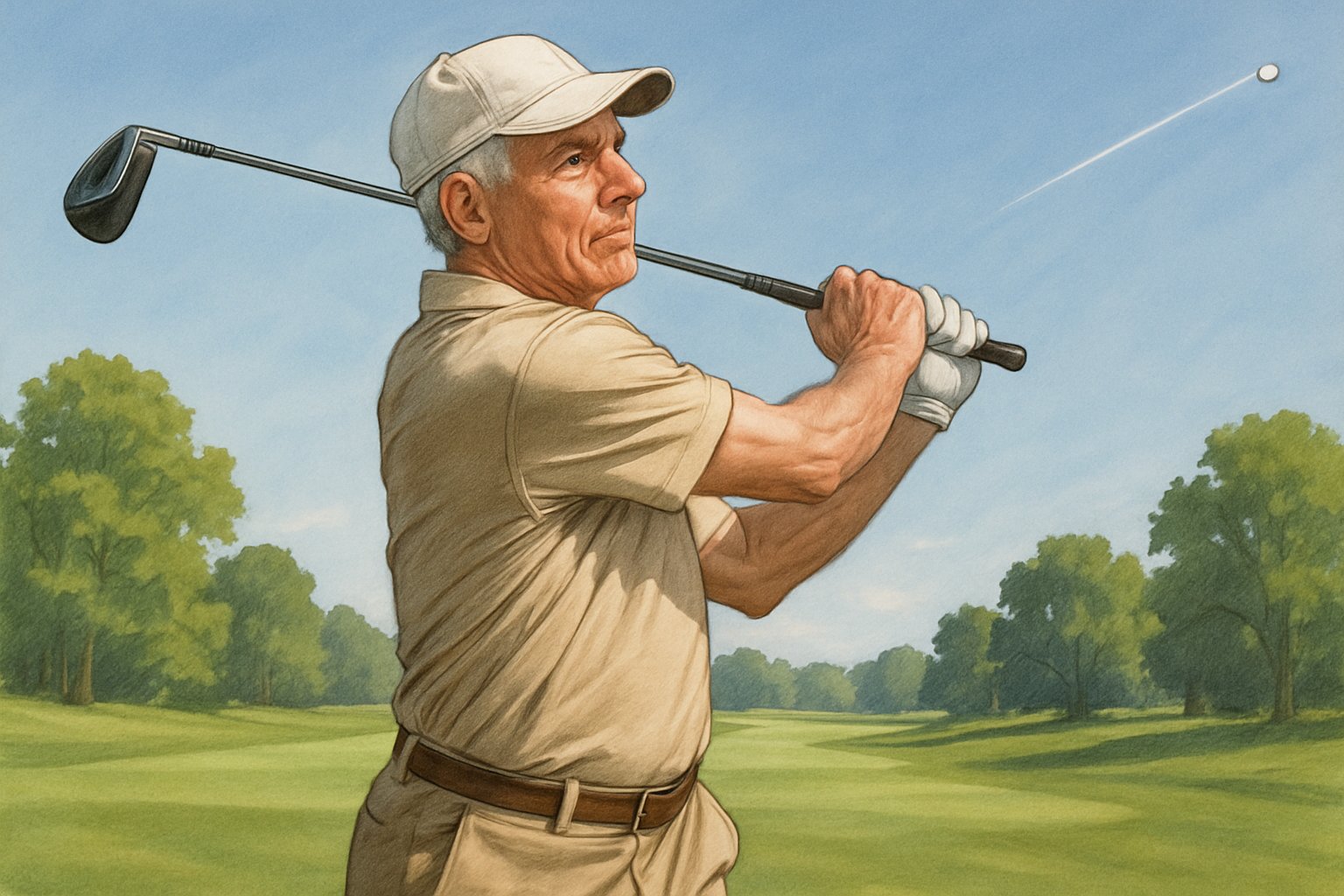
Graphite shafts mark a big shift from the old-school steel—lighter, bendier, and honestly, a lot easier on your body. The tech has come a long way from those early, unpredictable versions. Today’s graphite shafts are precise and deliver some real benefits.
How Graphite Shafts Differ from Steel Shafts
First thing you’ll notice? Weight. Graphite shafts are usually 40-80 grams lighter than steel. That might sound minor, but after swinging a few irons, you’ll feel the difference.
Less weight means you can swing faster without swinging harder. It’s a bit like swapping a sledgehammer for a regular hammer—less mass, more control, easier speed.
Key Performance Differences:
| Feature | Graphite Shafts | Steel Shafts |
|---|---|---|
| Weight | 50-85 grams | 95-130 grams |
| Vibration Dampening | Excellent | Minimal |
| Flexibility Options | Wide range | Limited |
| Durability | High impact resistance | Prone to bending |
Graphite also wins at dampening vibrations. Mishits with steel send a shock up your arms, but graphite soaks up much of that sting. That’s a big deal as your joints rack up the miles.
You’ll also find way more flex options with graphite. Want a shaft that matches your swing perfectly? You’ve got choices that steel just can’t offer.
The History and Evolution of Graphite Shafts
Graphite shafts showed up in the 1970s, but back then, most pros didn’t trust them. They were expensive, broke easily, and felt more like a novelty than a game-changer.
Find the Next Perfect U.S. Golf Course to Play
Get up to 3 AI-powered personalized golf course recommendations
By the 1980s, things started improving. Carbon fiber tech (thanks, aerospace industry) made shafts lighter and stronger. Drivers and fairway woods led the way, but most folks still clung to steel irons.
The real leap came in the 2000s. Manufacturers finally cracked the code on consistency. Suddenly, graphite iron shafts could match steel for reliability, but with all those extra perks.
Now, with computer-aided design and fancy new materials, you don’t have to pick between performance and durability. You pretty much get both.
Material Innovations in Golf Shaft Manufacturing
Modern graphite shafts aren’t just tubes of carbon. They’re layered, engineered, and tweaked in ways that would make a NASA engineer proud.
Advanced Materials Used:
- High-modulus carbon fiber: Strong and light
- Nano-materials: Smoother feel, less shock
- Resin systems: Hold it all together but keep it flexible
- Metallic fibers: Add weight where it’s needed
Some shafts have variable wall thickness—stiffer at the tip for control, softer in the middle for feel. Others use special dampening materials to cut out certain vibrations (great if your hands ache after a round).
Lately, 3D weaving lets engineers fine-tune how the shaft bends and transfers energy. It’s all about squeezing every bit of performance out of your swing.
How Age Affects Golf Swing and Distance
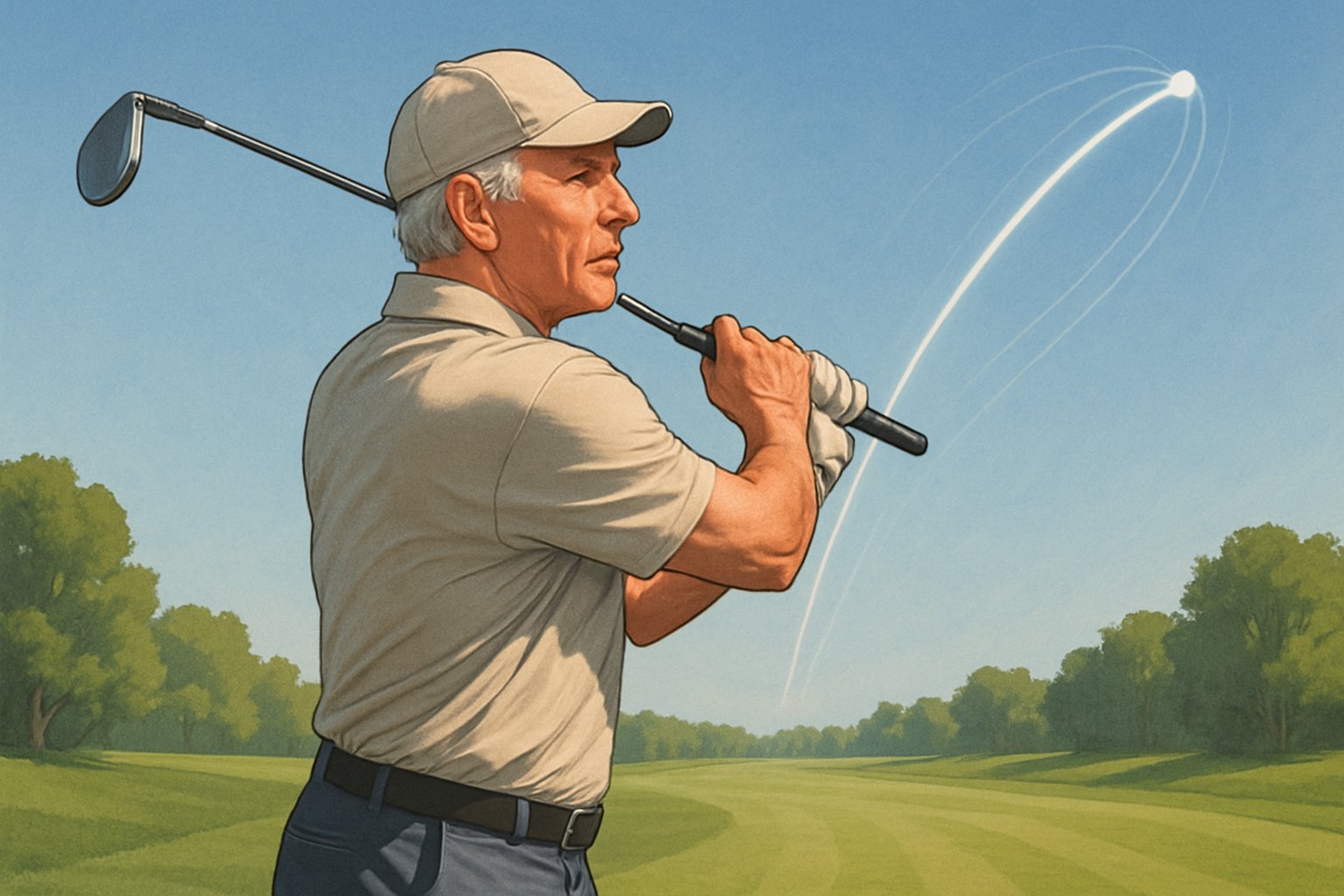
Once you hit 60, swing speed starts to slip—usually about 1-2 mph per year. Flexibility drops too, which makes it tougher to generate power and hit the sweet spot. These changes eat into your distance, but there are ways to slow the slide.
Swing Speed Decline After Age 60
Most folks lose about 10-15 mph of swing speed between 60 and 70. That’s roughly 20-30 yards off your drives.
It sneaks up on you. Maybe you’re swinging at 95 mph at 60, but by 70, you’re down to 80-85 mph.
Typical Swing Speed Ranges by Age:
- Ages 60-65: 85-95 mph
- Ages 66-70: 80-90 mph
- Ages 71-75: 75-85 mph
- Ages 76+: 70-80 mph
It’s not just muscle loss. Fast-twitch fibers fade faster than slow-twitch, so explosive power is the first to go.
Joints stiffen, especially hips and shoulders, so you can’t wind up like you used to.
Flexibility and Strength Changes in Senior Golfers
After 60, your range of motion—especially in your upper back and hips—shrinks. That means shorter backswings and less power.
Grip strength drops too, around 6-12% each decade after 40. Weaker hands make it harder to control the club and keep your wrists set.
Key Physical Changes:
- Shoulder flexibility: Down 15-20%
- Hip mobility: Down 10-15%
- Core strength: Drops 20-30%
- Balance: Not as steady, so weight transfer suffers
And recovery? That takes longer. What used to be a little soreness can linger and mess with your setup.
But hey, these changes aren’t overnight. You’ve got time to tweak your swing and your gear.
Compensation Techniques for Aging Golfers
You can work around these changes. The key is making your swing more efficient, not just swinging harder.
Swing Modifications:
- Go wider with your stance to stay balanced
- Shorten the backswing for better control
- Keep your tempo smooth, don’t rush it
- Try a more upright swing
Equipment Adjustments:
- Lighter graphite shafts can help you swing faster
- Drivers with more loft (10.5-12 degrees) help get the ball up
- Bigger grips can help if your hands ache
Technical Focus Areas:
- Work on timing your weight shift
- Try to keep your spine angle steady
- Practice releasing the club efficiently
- Focus on solid contact, not just speed
A lot of golfers find senior flex shafts help them launch the ball better. Even if you don’t love the “senior” label, it’s about what works.
Can Switching to Graphite Shaft Golf Clubs Add 20 Yards for Seniors?
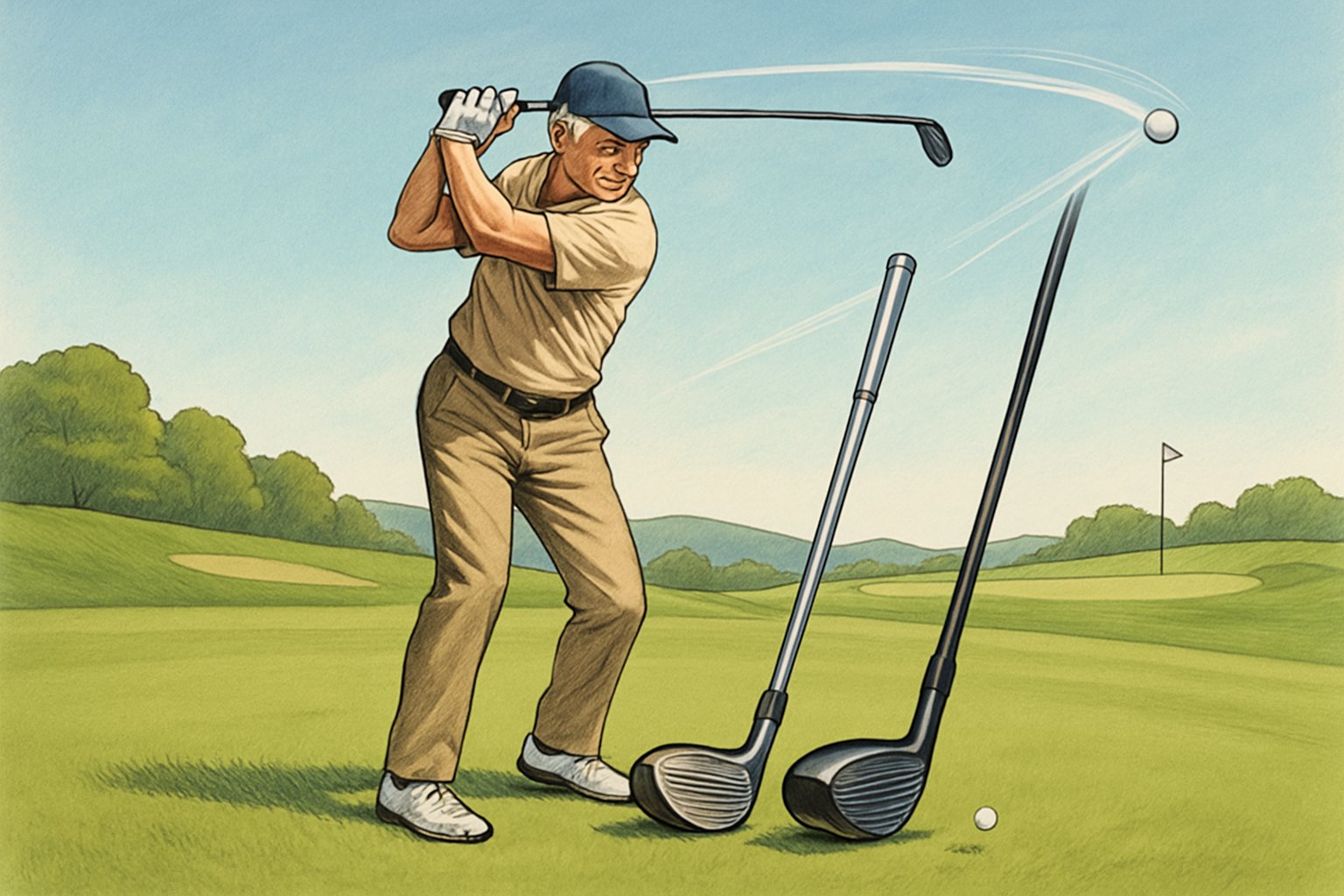
Adding 20 yards with new shafts sounds like a fairy tale, but graphite can give you a real distance bump after 60. The actual gain? It depends on your swing, your gear, and how well the new shafts fit you.
Factors That Influence Yardage Gains
Your current swing speed is the big one. If you’re swinging under 85 mph, graphite’s lighter weight can help you pick up a few extra mph.
Shaft weight is the quick fix. Steel is usually 120-130 grams, graphite is 40-80. That difference can mean 2-5 mph more swing speed.
Shaft flex matters more as you age. Senior or regular flex graphite shafts usually help slower swings transfer energy better.
If your current clubs are old or badly matched to your swing, properly fitted graphite shafts can make a huge difference.
But the fit has to be right. Badly fitted graphite can actually hurt your distance and accuracy.
Realistic Expectations for Distance Increases
Expecting 20 yards just from a shaft swap? That’s a stretch. Most people see 5-15 yards switching from steel to graphite, give or take.
Driver gains are usually 8-12 yards for swings under 90 mph. The lighter shaft lets you swing faster, which is where the extra yards come from.
Irons see smaller jumps, maybe 3-8 yards per club. Graphite iron shafts can help, but they’re not magic wands.
| Club Type | Typical Distance Gain |
|---|---|
| Driver | 8-12 yards |
| 3-Wood | 5-8 yards |
| 5-Iron | 3-5 yards |
| 7-Iron | 3-5 yards |
Picking up 2-4 mph of swing speed is realistic. Each mph with a driver usually adds 2-3 yards.
If your current clubs are a terrible fit, bigger gains are possible. But for most, it’s a noticeable but not jaw-dropping difference.
Testimonials from Golfers Over 60
What do real golfers say? The feedback is a mixed bag, but there are some themes.
One guy switched to senior flex graphite after back problems. He felt more comfortable but had to get used to the new timing and flex.
Most people mention the swing feels easier, they don’t get as tired, and there’s less pain after a round. Distance gains are there, but usually modest.
Some challenges: Adjusting to the extra flex takes time. You have to trust your swing instead of muscling it.
Golfers who went for a professional fitting got better results than those who just grabbed graphite clubs off the rack.
Overall, most seniors say 20 yards is probably a reach, but the comfort, less fatigue, and some extra distance make graphite worth it.
Benefits of Graphite Shafts for Senior Golfers
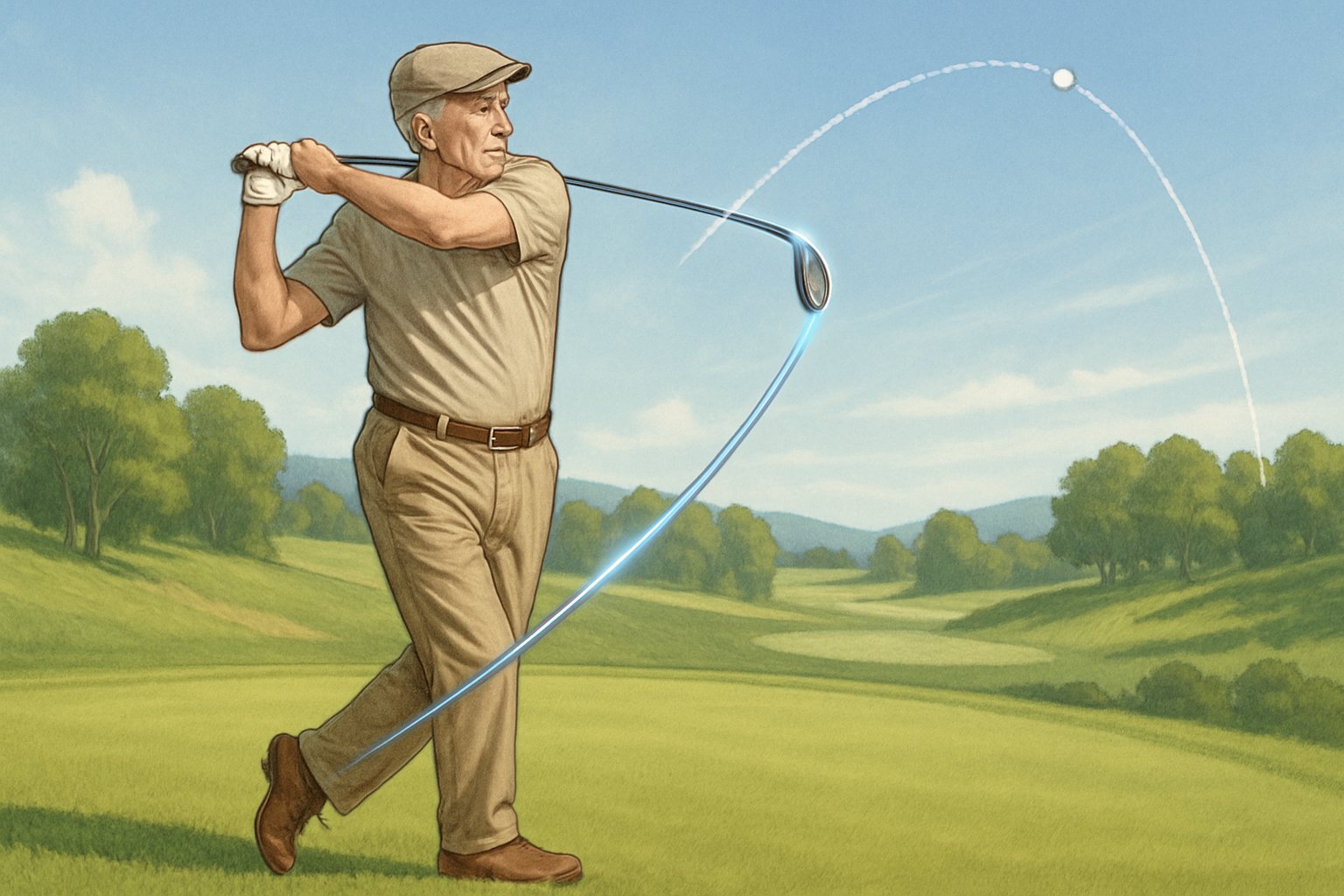
Graphite shafts really shine for golfers over 60: they help you swing faster because they’re lighter, they’re easier on your joints, and they can help you launch the ball higher for a bit more distance.
Enhanced Swing Speed Potential
Your swing speed drops as you get older, but graphite shafts give you a fighting chance. These shafts usually tip the scales at 50-80 grams, while steel sits up around 120-130 grams.
Because they’re lighter, you can pick up speed without trying harder. Graphite shafts help increase clubhead speed since you’re swinging less total weight.
Key Speed Benefits:
- Potential for 10-15 mph more clubhead speed
- Less energy needed for a full swing
- Easier to keep a smooth tempo
Graphite’s flexibility stores and releases energy as you swing. This whip-like effect can tack on 3-5 mph, even if your effort stays the same.
You’ll feel the difference right away at the range. That extra speed? It’s extra yards, plain and simple.
Reduced Joint and Muscle Strain
If you’ve played golf for decades, your joints have put up with a lot. Graphite shafts work a bit like shock absorbers, soaking up those nasty vibrations that shoot up the shaft when you strike the ball.
Steel shafts send those vibrations straight into your hands and elbows. Graphite shafts offer vibration dampening properties that take the edge off that impact.
Less vibration means:
- Lower risk of tennis or golfer’s elbow
- Less fatigue after a full round
- Mishits don’t sting as much
And with lighter clubs, your swing muscles don’t have to fight so hard. Your rotator cuff and forearm get a bit of a break.
That means you can play more often, without waking up sore the next day.
Improved Ball Flight Characteristics
Graphite shafts help you get the ball up in the air—something steel can make tough at slower speeds. Steel fiber and fully graphite shafts work better at typical slower swing speeds for seniors.
Extra flex makes it easier to launch the ball. Higher launch keeps your shots flying longer, so you get the most carry.
Launch Improvements:
- Launch angle goes up by 2-4 degrees
- More spin, which helps carry
- Steeper descent for softer landings
Your shots start flying higher and land softer, not just running along the ground like they sometimes do with steel. The right combo of launch and spin gives you that ideal flight.
You’ll probably notice your shots group tighter, too. Better launch conditions mean you hit your target more often.
Limitations and Considerations Before Switching
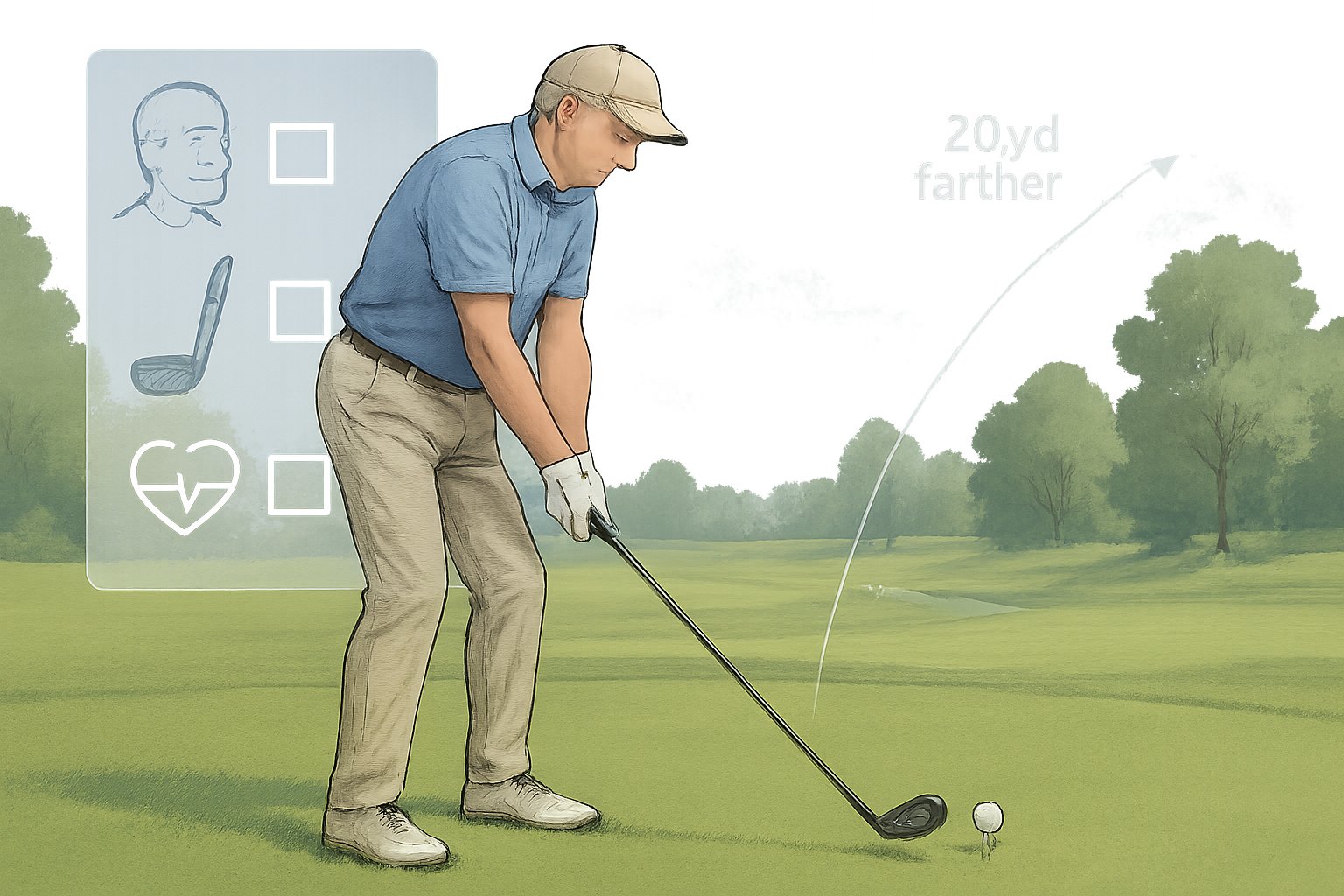
Graphite shafts can add distance for golfers over 60, but it’s not always a slam dunk. You have to think about weight balance, cost, and whether you’ll get properly fit—otherwise, you might not see those extra yards.
Weight and Flex Options
Graphite shafts come in more weights than steel, usually from 55 up to 130 grams. That can get confusing if you’re used to a steel shaft around 120-130 grams.
Graphite flexes go all the way down to ultra-light senior options, which can feel floppy if your swing’s still aggressive. Regular flex graphite shafts often feel softer than steel, and that can throw off your timing.
A lot of folks go too light, too fast. Dropping from a 125-gram steel shaft to a 65-gram graphite? That can totally mess with your tempo.
Pick your weight based on how you swing now. If you’re smooth and steady, lighter works. If you’re quick and forceful, you’ll want something heavier to keep control.
Cost Versus Performance
A full set of graphite iron shafts costs a lot more than steel. High-end graphite can add $100-200 per club to your iron set price.
But the performance gains aren’t always huge. If your swing speed is moderate, you might only get 5-10 extra yards, not the 20 you see in ads.
Cheaper graphite shafts usually cut corners on quality. They can feel inconsistent and may not deliver the distance you’re after.
Think about your handicap and what you actually want to improve. If you’re a 25-handicap, fancy shafts won’t fix basic swing problems that limit your distance.
Custom Fitting Importance
Off-the-rack graphite shafts rarely get you the best results. Professional fitting is a must when you switch from steel, since weight and flex can feel totally different.
Switching shaft materials changes your launch angle and spin. A good fitting with launch monitors will help you find the right specs for your swing.
Custom fitting ensures proper weight distribution through your whole set. If your driver, hybrids, and irons don’t match up, your swing rhythm can fall apart.
Skip the fitting, and you might end up with shafts that hurt your distance and accuracy. Honestly, the money you spend on a good fitting can make or break the switch.
How to Transition to Graphite Shafts Successfully
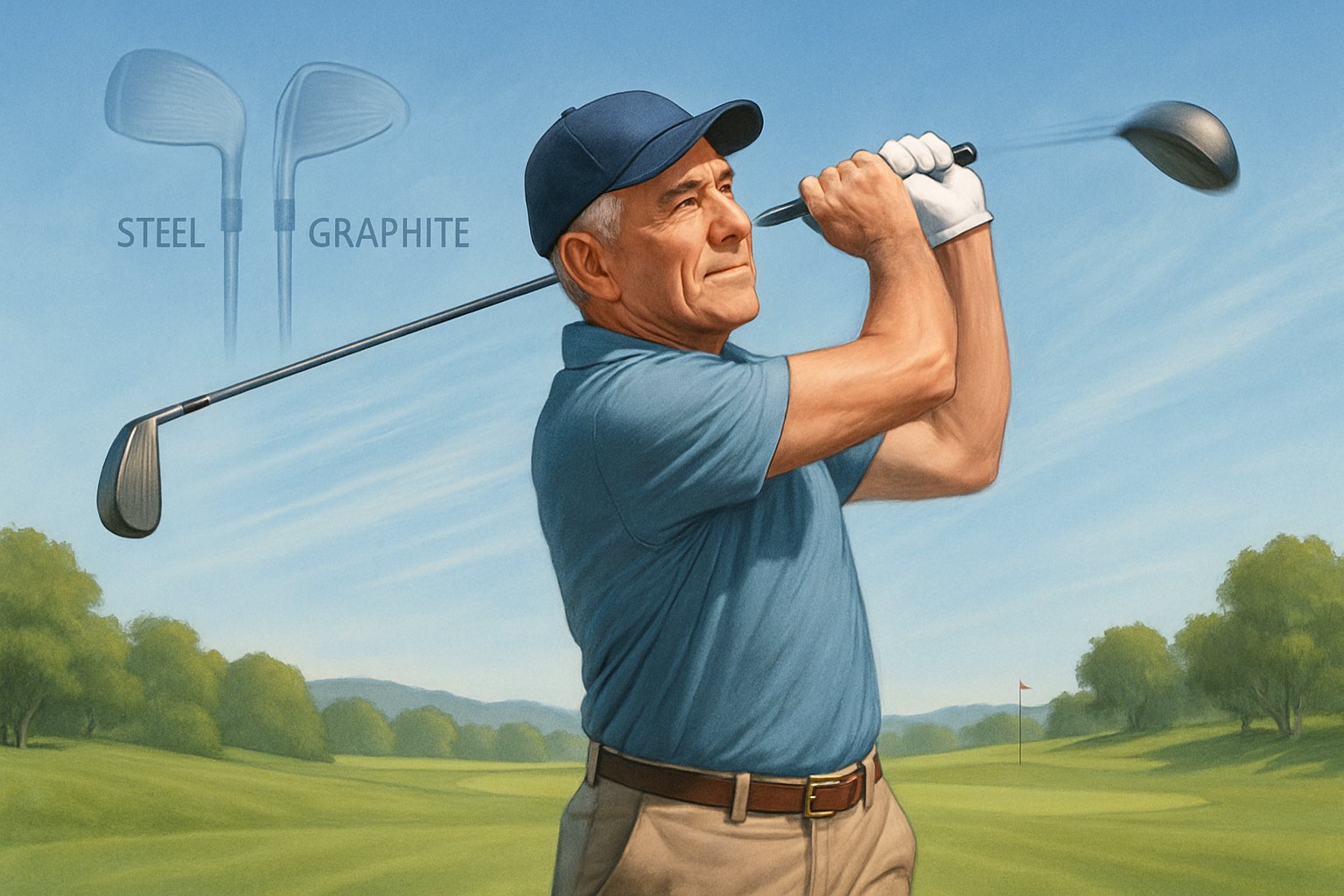
Switching to graphite takes more than just grabbing any set off the shelf. You need to pick the right flex, work with a fitter, and tweak your swing to really see a difference. There’s a bit of a learning curve, but it pays off.
Selecting the Right Shaft Flex
Your swing speed—not your pride—should pick your shaft flex. Most golfers over 60 do better with regular or senior flex graphite shafts, even if they once used stiff steel.
Swing Speed Guidelines:
- 70-80 mph: Senior flex
- 80-90 mph: Regular flex
- 90+ mph: Stiff flex
Graphite gives you more flex choices than steel. You can dial in a shaft that fits your swing and still enjoy the lighter weight.
Modern graphite technology can copy the feel of just about any steel shaft. You can adjust weight, spin, and launch to fit your taste.
Don’t just stick with the same flex you used in steel. Graphite loads differently, so you often need to go down a level for best results.
Working with a Club Fitter
Getting fit by a pro is huge when you’re swapping shaft materials. A good fitter uses launch monitors to see how you actually hit it with different graphite shafts.
They’ll look at your swing speed, attack angle, and ball flight. Then they’ll suggest graphite models that work with your swing, not against it.
Professional fitting services can pinpoint the right weight and flex. That way, you don’t end up with a shaft that feels great in the shop but lets you down on the course.
Plan to try a few different shafts during your fitting. The fitter will tweak things based on what your shots actually do—not just what’s “supposed” to work.
Adjusting Your Swing for Maximum Benefit
Graphite shafts flex differently than steel, so you’ll need to adjust your swing a bit. The lighter weight helps you swing faster, but you’ve got to let the shaft do its job.
Work on smooth acceleration instead of swinging out of your shoes. Graphite responds best when you load it gradually, not with a quick jerk.
Your timing might feel off for a few rounds. Many golfers report that their joints feel better right away, though.
Practice with your new shafts before expecting miracles. It usually takes 3-5 rounds to retrain your muscles and timing.
Let the shaft help you—don’t fight it. Graphite rewards a relaxed, controlled swing more than a wild one.
Common Myths About Graphite Shafts
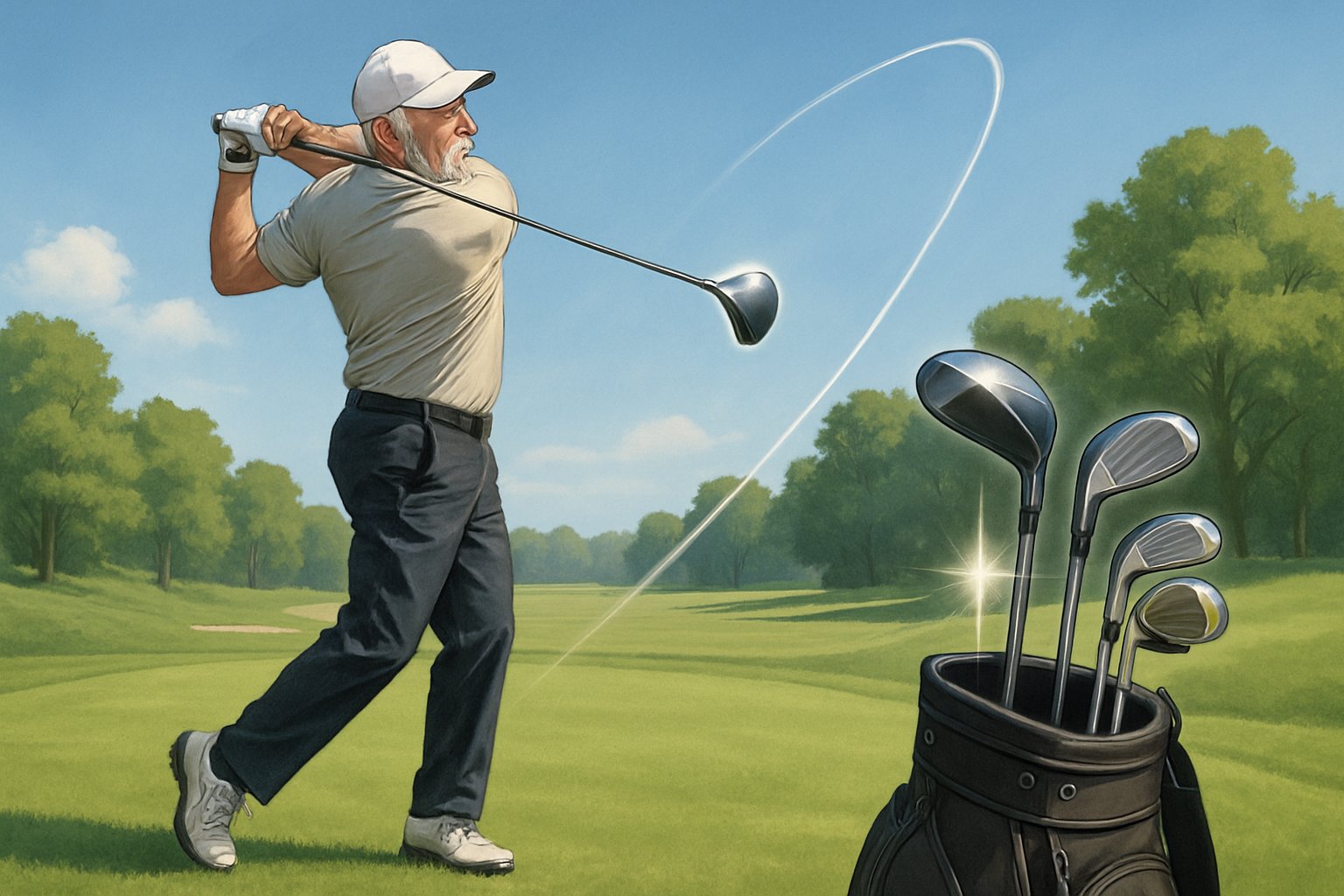
People over 60 hear all kinds of things about graphite shafts, from wild distance claims to worries about them snapping. Let’s clear up a few of the bigger myths.
Dispelling Distance Myths
You’ve probably heard someone say graphite shafts will add 20 yards to your shots, no questions asked. That’s just not how it works.
How much distance you actually gain depends on your swing and what you’re using now. If you swing steel shafts at 70 mph, a well-fit graphite shaft might help you squeeze out 5-10 more yards by improving your launch.
The real advantage is better ball flight. Graphite is 20-40 grams lighter than steel, so you can swing it faster and still stay in control.
But launch angle and spin are bigger factors than shaft material. A graphite shaft that helps you launch higher with the right spin will compete with steel for speed and control.
The lighter shaft also shifts your club’s balance, which can help your timing and strike.
Graphite Durability Concerns
A lot of golfers think graphite shafts break easily or wear out fast. That rumor started back in the ‘80s and ‘90s, when graphite wasn’t as tough.
These days, graphite shafts use high-end carbon fiber that’s as durable as steel. Honestly, most damage happens from tossing clubs in the car or on a plane, not from playing.
Temperature swings are the real enemy—leaving clubs in a hot trunk can weaken the glue inside over time.
Plenty of tour pros use graphite in big tournaments. Even guys like Bryson use graphite and don’t worry about it breaking.
Quality matters, though. Premium graphite from good brands goes through testing that matches or beats steel.
Additional Equipment and Training Tips for Senior Golfers
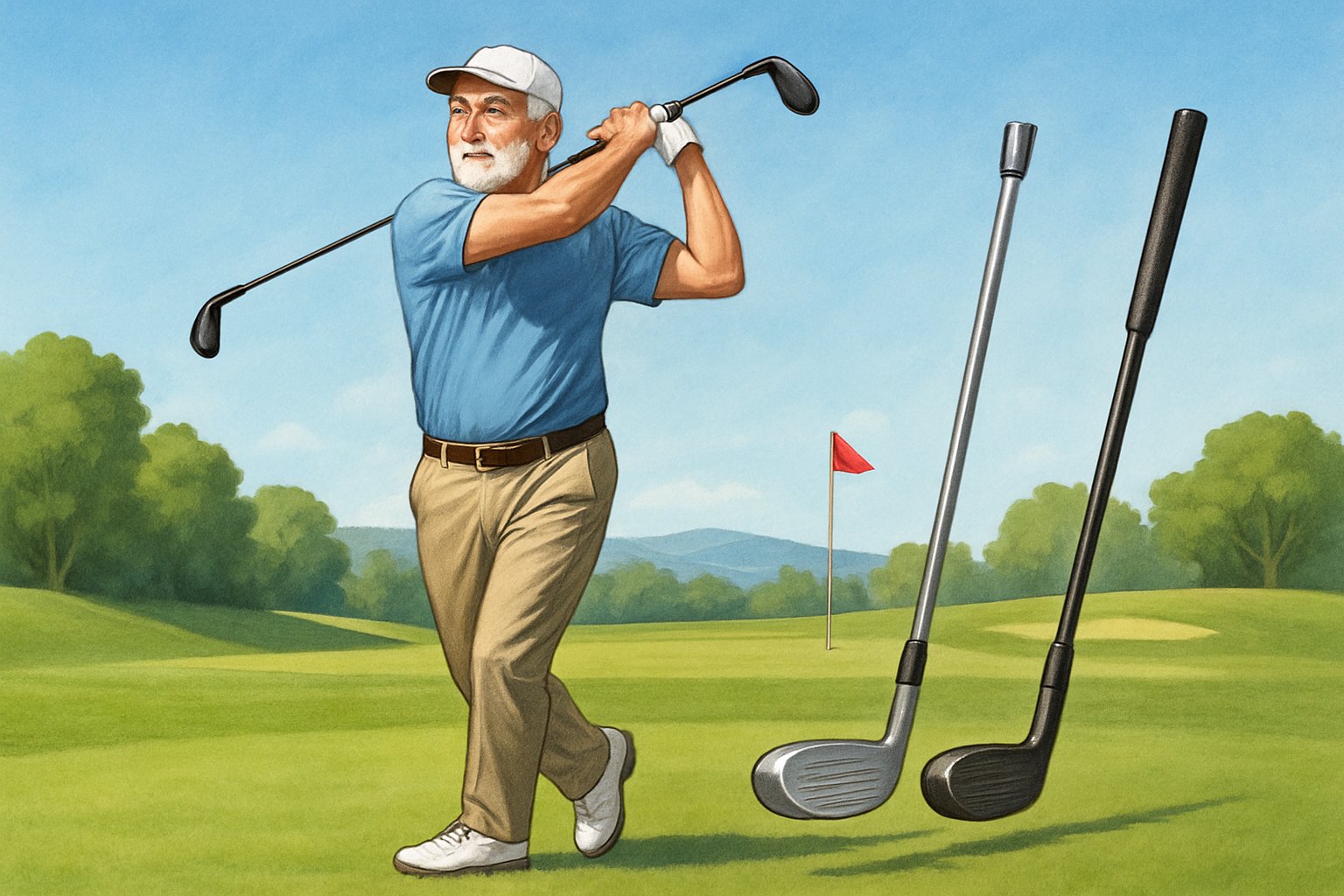
Graphite shafts are just one piece of the puzzle. Smart equipment upgrades and focused practice can help you get every yard you can from your swing. The right tweaks and training make a real difference.
Complementary Club Upgrades
If you’re investing in graphite, don’t stop there. Hybrid clubs should replace your long irons—honestly, they’re more forgiving than most people you play with and get the ball up higher than you’d expect.
Think about picking up a driver with adjustable loft settings. New drivers let you dial in your launch angle from 8 to 12 degrees. Most seniors hit it farther with lofts around 10.5-12 degrees.
Lightweight grips help, too. Standard grips weigh 50-60 grams, but you can find ones at 25-35 grams. That little change can bump your clubhead speed by 2-3 mph.
And don’t forget your golf ball choice. Softer, multi-layer balls (70-80 compression) compress better at slower speeds. You’ll get more distance than with those hard, tour-level balls your nephew brags about.
Swing Drills to Maximize Yardage
The step-through drill helps you build rotational power without needing to stretch like you did in the ’90s. Just start your regular backswing, then step forward with your trailing foot as you swing down. This move gets your weight moving and your hips turning—two things that add real distance.
Try some tempo training with a 3-to-1 count. Go “one-two-three” on the backswing, and “one” as you swing down. Keeping things smooth, instead of swinging like you’re in a hurry, really does wonders for clubhead speed.
Resistance band exercises are great for golf-specific strength. Hook a band to something sturdy and swing against the resistance. Pay attention to the muscles rotating your torso and driving your arms through the shot.
The towel drill helps with release timing. Tuck a towel under your lead armpit and try to keep it there during your swing. It might feel awkward at first, but it keeps your arms connected and stops that weird chicken wing finish that just saps your power.
Conclusion
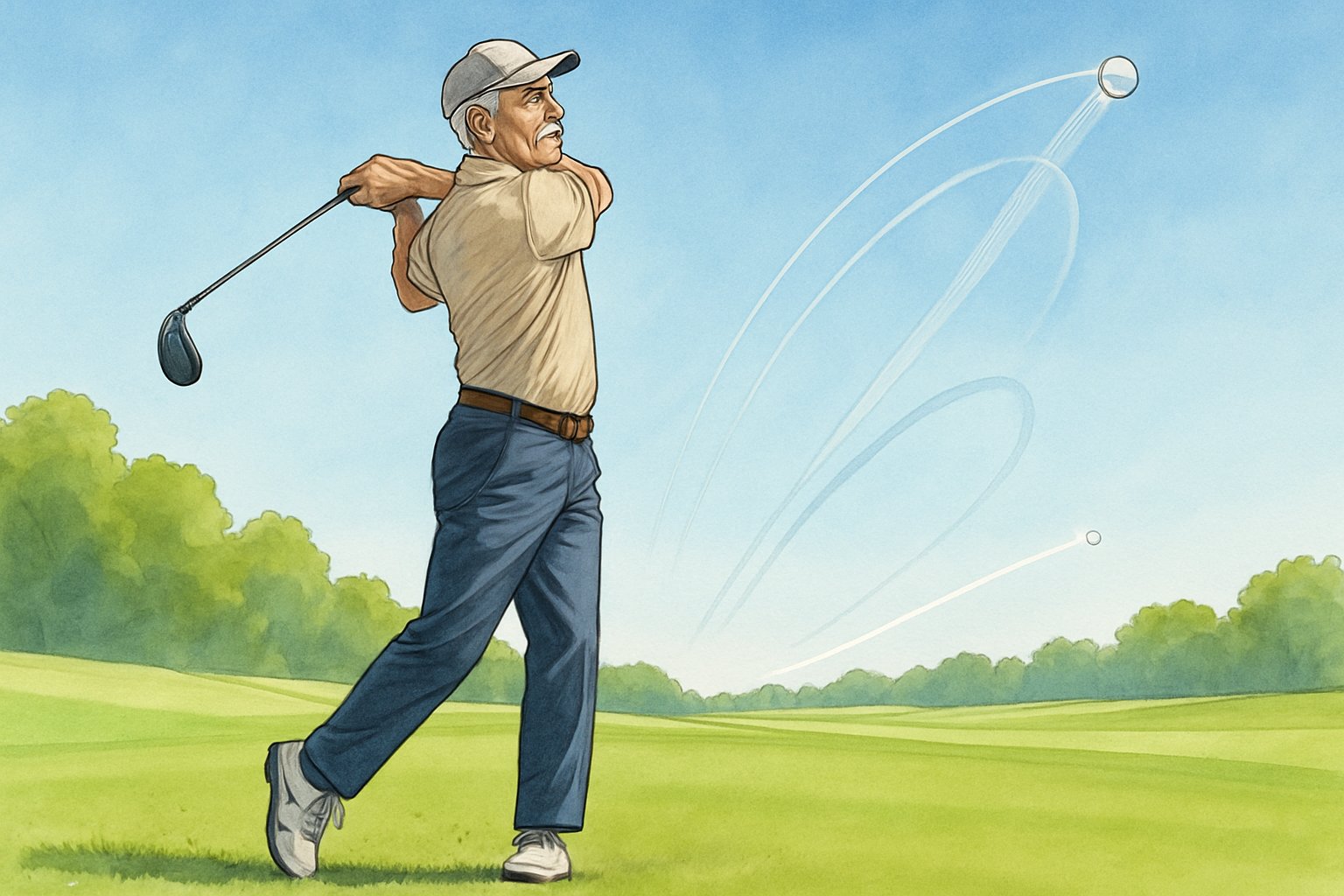
That so-called 20-yard promise? Well, it’s not a sure thing, but graphite shafts often deliver real distance gains for golfers over 60. It all comes down to your current swing speed, your physical shape, and whether the shaft actually suits your swing style.
Most folks see 5-15 yards more distance after switching from steel to properly fitted graphite shafts. The lighter weight lets you pick up a little more clubhead speed, and honestly, you don’t have to work any harder for it.
Here’s what you can probably expect:
- Less joint stress and less fatigue after a round
- Higher ball flight, which means softer landings on the green
- A smoother feel and less harsh vibration
- Easier time keeping your swing tempo in check
Graphite shafts really shine for senior golfers who aren’t swinging as fast as they used to. The extra flex helps launch the ball higher, so you squeeze out a bit more carry.
But honestly, getting professionally fitted matters—a lot. If you pick the wrong flex or weight, you could actually lose distance or control. A good fitter will match the shaft to your swing speed and how you deliver the club.
Of course, your wallet might notice the change too. Plan on spending somewhere between $800 and $1,500 for a solid set of graphite-shafted irons. Still, if you’re hoping to keep playing longer and want to hang on to your distance, it’s probably worth every penny.
So do graphite shafts add distance? Usually, yes. The bigger question is whether the extra yards and comfort are worth it for you. For most golfers over 60, I’d say the answer is a pretty confident yes.
Find the Next Perfect U.S. Golf Course to Play
Get up to 3 AI-powered personalized golf course recommendations
Please note that some of the imagery in this article were created with the aid of AI image generators.