

🔥 Would you like to save this?
Retirement often brings unexpected changes that can significantly improve your quality of life. While you might anticipate challenges, many aspects of retirement tend to get better as you age, influencing your well-being in positive ways.
Understanding these benefits can help you approach retirement with a more optimistic and prepared mindset. This article explores 35 ways retirement can improve over time, offering insights to help you make the most of this new chapter.
35. Freedom to pursue flexible living arrangements

In retirement, you gain the ability to choose living situations that better fit your evolving needs and preferences. Flexible living arrangements allow you to maintain independence while having access to support if your health or mobility changes.
You can consider options such as part-time residence in senior communities, phased retirement housing, or adaptable care services. These choices provide the freedom to adjust your lifestyle without committing to a single long-term setting.
This flexibility can enhance your quality of life by giving you control over your environment and routines. It also offers peace of mind knowing help is available when needed, allowing you to live with confidence in the present.
By embracing flexible living, you can balance your desire for freedom with practical considerations. It supports your ability to stay socially engaged, pursue hobbies, and enjoy retirement on your own terms.
34. Lower risk of burnout and physical exhaustion
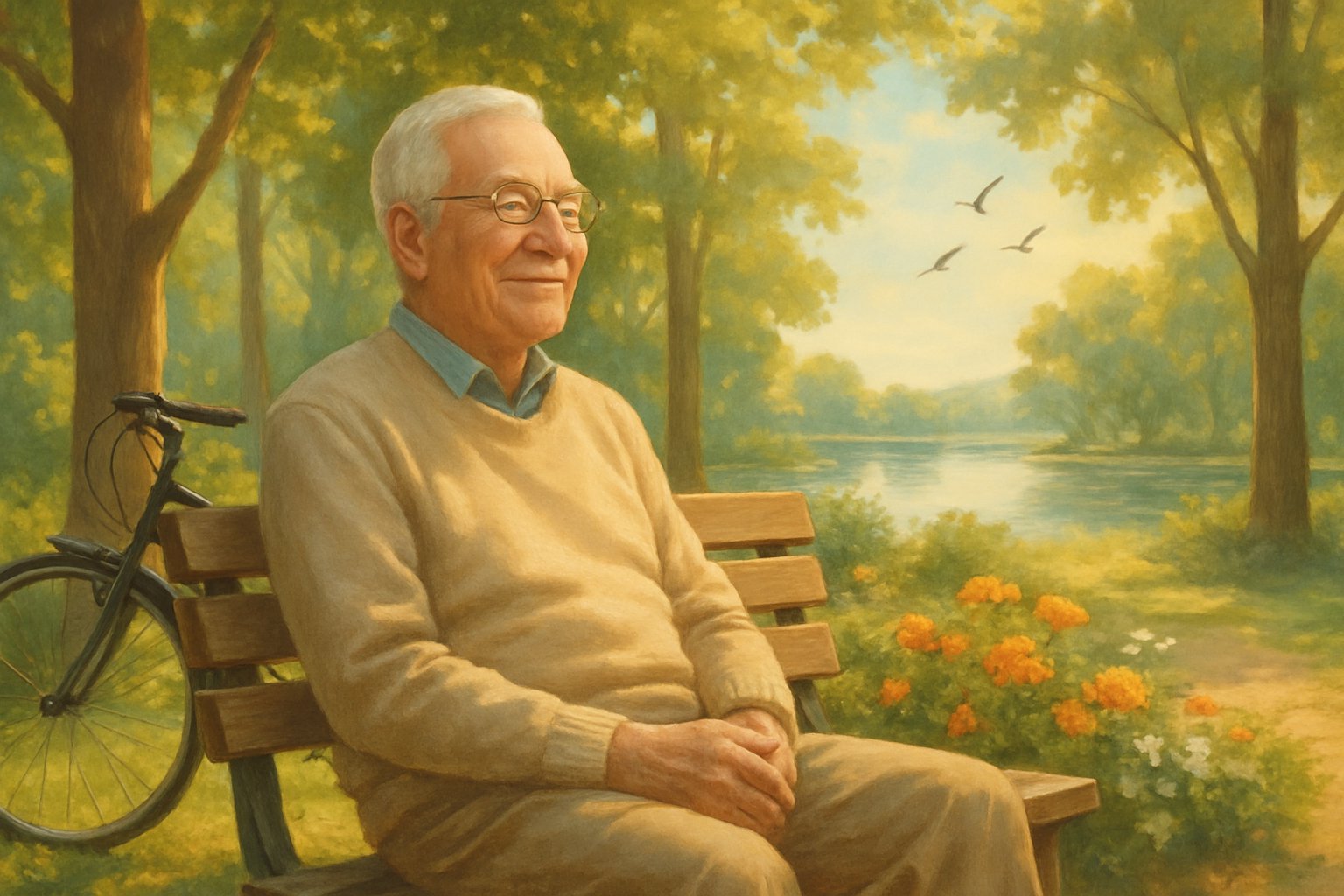
When you retire, the daily pressures and demands of your job come to an end. This reduces your exposure to chronic stress that often leads to burnout.
Without the constant work-related physical and mental strain, your body can recover more effectively. You will likely experience less fatigue and physical exhaustion.
You might find that your energy levels improve as you focus on activities you enjoy, rather than tasks tied to deadlines or high responsibility.
Retirement gives you the opportunity to prioritize your health with exercise and rest. Physical activity during retirement can help reduce the effects of previous stress and improve overall well-being.
Still, it is important to find new ways to stay engaged. Avoiding total inactivity prevents a different type of burnout caused by lack of mental or physical challenges.
By managing your pace and focusing on balanced routines, you can maintain a healthier body and mind as you age into retirement.
33. Improved financial planning and management skills

As you age, your experience with money grows, helping you manage your finances more effectively. You learn to prioritize spending, saving, and investing in ways that align with your evolving goals.
By retirement, you often have a clearer understanding of your financial situation. This clarity allows you to make informed decisions about budgeting, managing debt, and planning for unexpected expenses.
You become more intentional about your resources. Small adjustments in how you handle your savings and retirement accounts can lead to greater security and peace of mind.
Improved financial literacy also reduces stress related to money management. You’ll find it easier to stay on track and adapt your plans as circumstances change, maintaining control over your financial future.
32. Engagement in low-impact but effective physical exercises
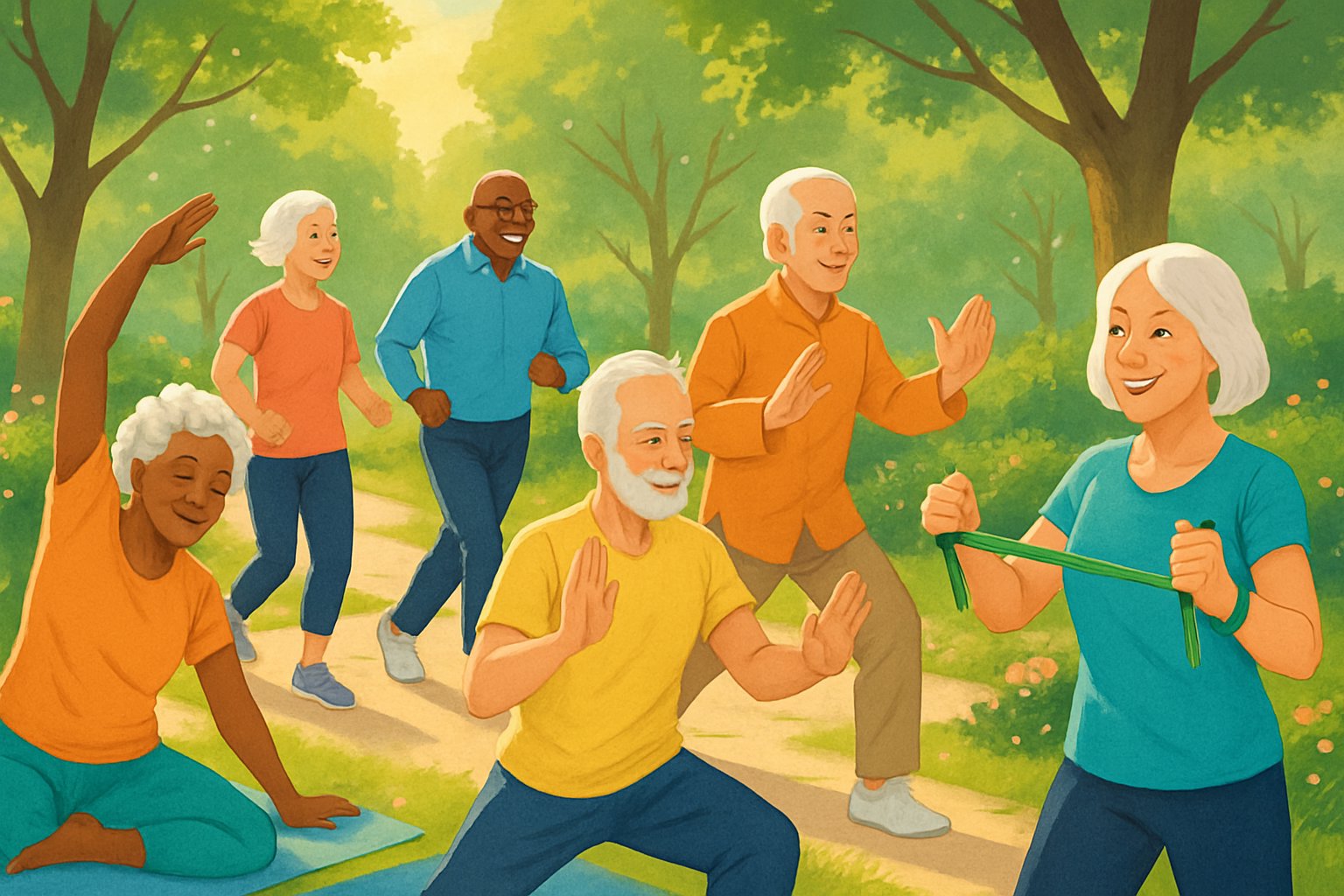
You can stay active and protect your joints by focusing on low-impact exercises. These movements reduce stress on your body while still promoting strength, balance, and cardiovascular health.
Activities like walking, swimming, yoga, and Pilates are accessible and adaptable. They support mobility and improve overall well-being without causing strain.
Low-impact workouts also help maintain your mental health by reducing stress and boosting mood. You can adjust intensity based on your ability and any physical limitations you may have.
By incorporating these exercises regularly, you can preserve independence and manage chronic conditions more effectively. Staying consistent is key to long-term benefits.
Choosing low-impact physical activities allows you to stay engaged and active well into your later years. You don’t have to sacrifice fitness for joint care.
31. More opportunities for outdoor activities

As you age into retirement, you often find more free time to spend outside. This opens the door to a variety of outdoor activities that can improve your physical health and mental well-being.
You can join walking clubs or community gardening projects. These activities not only keep you active but also help you connect with others and reduce feelings of loneliness.
Outdoor fitness classes designed for seniors are another option. They offer gentle exercise tailored to your needs while allowing you to enjoy fresh air and nature.
Exploring hobbies like hiking or birdwatching can add adventure to your routine. These activities provide a chance to appreciate the outdoors at your own pace.
Participating in group outdoor activities also helps build friendships and a sense of belonging. You gain the benefits of exercise and social interaction, which contribute to a balanced retirement lifestyle.
30. Ability to focus on mental health and therapy

Retirement gives you more time to pay attention to your mental health. Without the daily demands of work, you can prioritize self-care and explore therapies that support emotional well-being.
You may find it easier to attend counseling sessions or join support groups. Therapy can help you manage the challenges that come with this major life change, such as stress, anxiety, or feelings of loss.
Mental stimulation and professional support are key during this phase. Engaging in mental health practices can maintain cognitive health and reduce the risk of depression or anxiety.
If you had existing mental health concerns, retirement offers a chance to address them more effectively. The slower pace allows you to develop coping strategies and build a routine that supports lasting mental wellness.
By focusing on your mental health and seeking therapy when needed, you create a stable foundation for a fulfilling retirement. This intentional approach can improve your overall quality of life as you age.
29. Better sexual health outcomes reported

You may find that retirement brings improvements in your sexual health and satisfaction. Research shows that although sexual frequency might decrease with age, the quality and overall enjoyment often increase.
With more time and less daily stress, you can focus on intimacy and connection. Medical advancements and better treatments specifically addressing common age-related issues help maintain comfort during sexual activity.
Your emotional well-being, self-esteem, and sense of identity can benefit from a healthy sexual life. Many older adults report higher satisfaction than previous generations, highlighting how sexual health can thrive post-retirement.
Factors like good communication with your partner and addressing health conditions play important roles. Awareness of medications or surgeries that can affect sexual health helps you manage challenges effectively.
In short, retirement can provide an opportunity to experience fulfilling, meaningful sexual relationships with benefits for both your health and your emotional well-being.
28. Reduced frequency of colds and allergies

As you age, your immune system undergoes changes that can affect how often you catch colds or experience allergies. For some people, this means fewer colds than in their younger years.
Allergies may also shift with age. You might find that some allergies diminish or become less bothersome over time. However, it’s also possible to develop new allergies later in life.
Your body’s reaction to allergens can change, sometimes making symptoms less severe. This does not happen for everyone, but for many, fewer allergy flare-ups can improve day-to-day comfort.
The reduced frequency of colds and milder allergy symptoms can make your retirement years feel healthier and less interrupted by common respiratory issues. This improvement can help you enjoy outdoor activities and social events more freely.
27. Access to community centers tailored to seniors
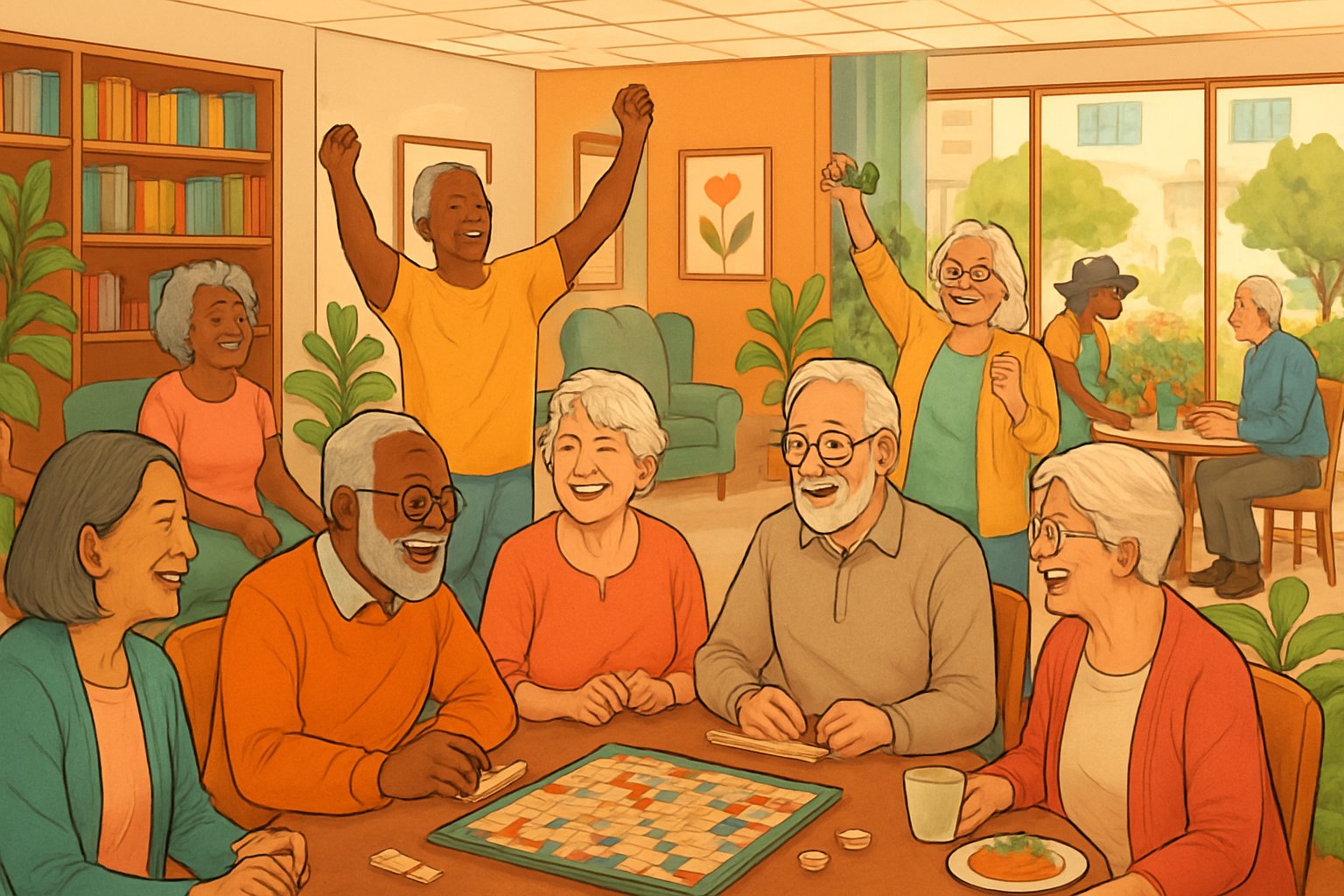
You can find community centers designed specifically for seniors in many areas. These centers offer programs and activities that focus on your interests and needs as you age. They provide a safe and welcoming space to stay active and engaged.
At these centers, you can join fitness classes, take part in educational workshops, or enjoy creative activities. The social environment helps you build connections with peers, reducing feelings of isolation.
Many centers also serve as hubs for valuable information about health, wellness, and local senior services. This access can make it easier for you to navigate resources related to aging in place, support services, and benefits.
Visiting a senior community center can improve your quality of life by combining physical, mental, and social engagement. You gain opportunities to maintain independence while connecting with others who share your experiences.
26. More time for spiritual or reflective practices

Retirement often gives you the chance to slow down and focus on your inner life. Without the demands of work, you can dedicate regular time to spiritual or reflective activities such as meditation, prayer, or journaling. These practices can help you find greater peace and clarity.
You might explore new spiritual teachings or deepen your connection to beliefs that matter to you. Joining a spiritual community or participating in group discussions can also enrich your experience. These settings provide both support and opportunities for meaningful connection.
Reflective practices encourage self-awareness and can help you better understand your values and purpose. This deeper insight often grows as you age and face new life stages. Using retirement to nurture this aspect of your life can contribute significantly to your overall well-being.
25. Stronger sense of identity and self-acceptance

🔥 Would you like to save this?
Retirement often triggers a shift in how you see yourself. Without a professional role defining you, it can initially feel like a loss of identity. However, as time passes, you gain the chance to explore who you are beyond work.
This phase invites you to reconnect with your values, interests, and talents. You learn to accept yourself more fully, including parts that were previously overshadowed by your career.
You may discover new passions or revive old hobbies that bring purpose and meaning. This ongoing process helps build a stronger, more authentic sense of self.
By focusing on your personal growth, you move beyond external validation. Self-acceptance becomes less tied to achievements and more based on your whole experience.
Ultimately, retirement can deepen your understanding of identity. It can lead to greater confidence in who you are, independent of any job title.
24. Growth in creativity and new artistic pursuits

In retirement, you often find more time and freedom to explore creative interests that were on hold. This stage of life can be a chance to discover new artistic skills or deepen existing ones without the pressure of deadlines. You might surprise yourself by trying painting, writing, music, or crafts.
Engaging in creative activities can help maintain and even improve your cognitive functions. Many seniors report enhanced memory, problem-solving skills, and mental agility when they regularly pursue artistic hobbies. These activities also encourage positive thinking and provide a meaningful way to express your thoughts and emotions.
Starting a new artistic pursuit can add structure and joy to your days. Whether it’s taking a class, joining a group, or simply experimenting on your own, creativity offers both mental stimulation and personal satisfaction. It can also create opportunities for social connections, which is important for your overall well-being.
23. Better handling of chronic conditions with experience
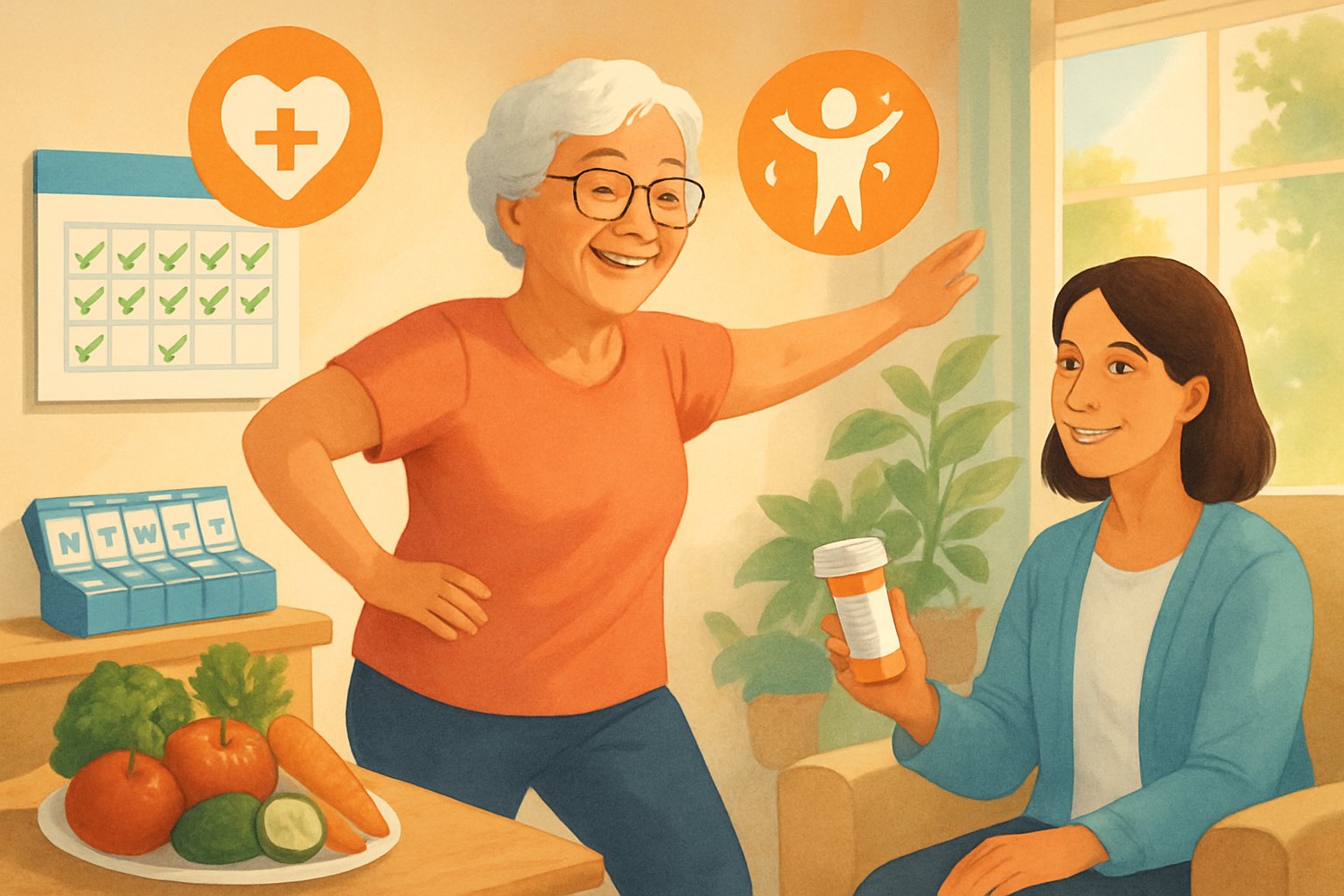
As you age, managing chronic conditions often becomes more effective. You gain a clearer understanding of your health and learn how to recognize symptoms early. This experience helps you respond promptly and avoid complications.
You also become more skilled at following treatment plans and adjusting them with your healthcare provider. This knowledge reduces stress and improves your quality of life.
With time, you likely develop routines that support your health. Regular medication, exercise, and diet habits become easier to maintain. This consistency can lead to better control of your condition.
You also learn to advocate for yourself more effectively. You know what questions to ask and how to communicate your needs. This can lead to better healthcare outcomes.
Overall, your growing experience with managing chronic conditions allows you to live more comfortably. You can focus on enjoying retirement while keeping your health stable.
22. More frequent positive social interactions

You can benefit significantly from engaging in positive social interactions regularly. These interactions help improve your cognitive functions like attention, memory, and processing speed. The mental challenge of socializing keeps your brain active.
Spending time with others not only boosts your mood but also supports your overall mental health. Positive social experiences have been linked to fewer negative feelings and improved emotional well-being. This is essential as you adjust to retirement life.
Expanding your social circle beyond close family and friends offers additional benefits. Meeting new people encourages more physical activity and a broader range of experiences. This variety can lead to a more fulfilling and healthier lifestyle during retirement.
Making social connections a priority can help you maintain your happiness and quality of life. The frequency and positivity of your interactions matter more than the size of your social network. You have the ability to foster meaningful relationships that support your well-being.
21. Embracing lifelong learning and new skills

You can enhance your retirement by actively pursuing lifelong learning. Picking up new skills or knowledge keeps your mind engaged and sharp, which supports cognitive health.
Learning doesn’t have to follow traditional paths. You might take local classes, join workshops, or explore online courses tailored for retirees. These offer structured ways to challenge yourself and stay curious.
Trying something new, like learning a musical instrument or a language, can be especially beneficial. Research shows that mentally challenging activities help your brain function more effectively, even later in life.
Lifelong learning also provides social benefits. Engaging with others in educational settings creates opportunities for connection and reduces feelings of isolation.
By embracing continuous education, you open doors to personal growth. You gain a sense of purpose, deepen your interests, and enrich your retirement years in practical, meaningful ways.
20. Improved problem-solving skills from life experience

You bring a wealth of experience into retirement that sharpens your problem-solving abilities. Over the years, you’ve encountered and managed many situations, which helps you approach new challenges with confidence.
Your mind is more adept at breaking down complex issues and weighing different solutions logically. This skill reduces stress, since you can assess problems without feeling overwhelmed.
Retirement gives you the chance to apply these skills in new ways. Whether planning for future needs or exploring hobbies, your problem-solving strengths support better decisions.
Adapting to change becomes easier as you draw on past lessons. Your flexible mindset enables you to handle uncertainty calmly and creatively, making retirement more fulfilling.
By continuing to engage your mind with challenges, you maintain sharpness and boost your sense of purpose. Strengthening your problem-solving skills can improve your overall quality of life in this new phase.
19. Increased patience and perspective on life challenges
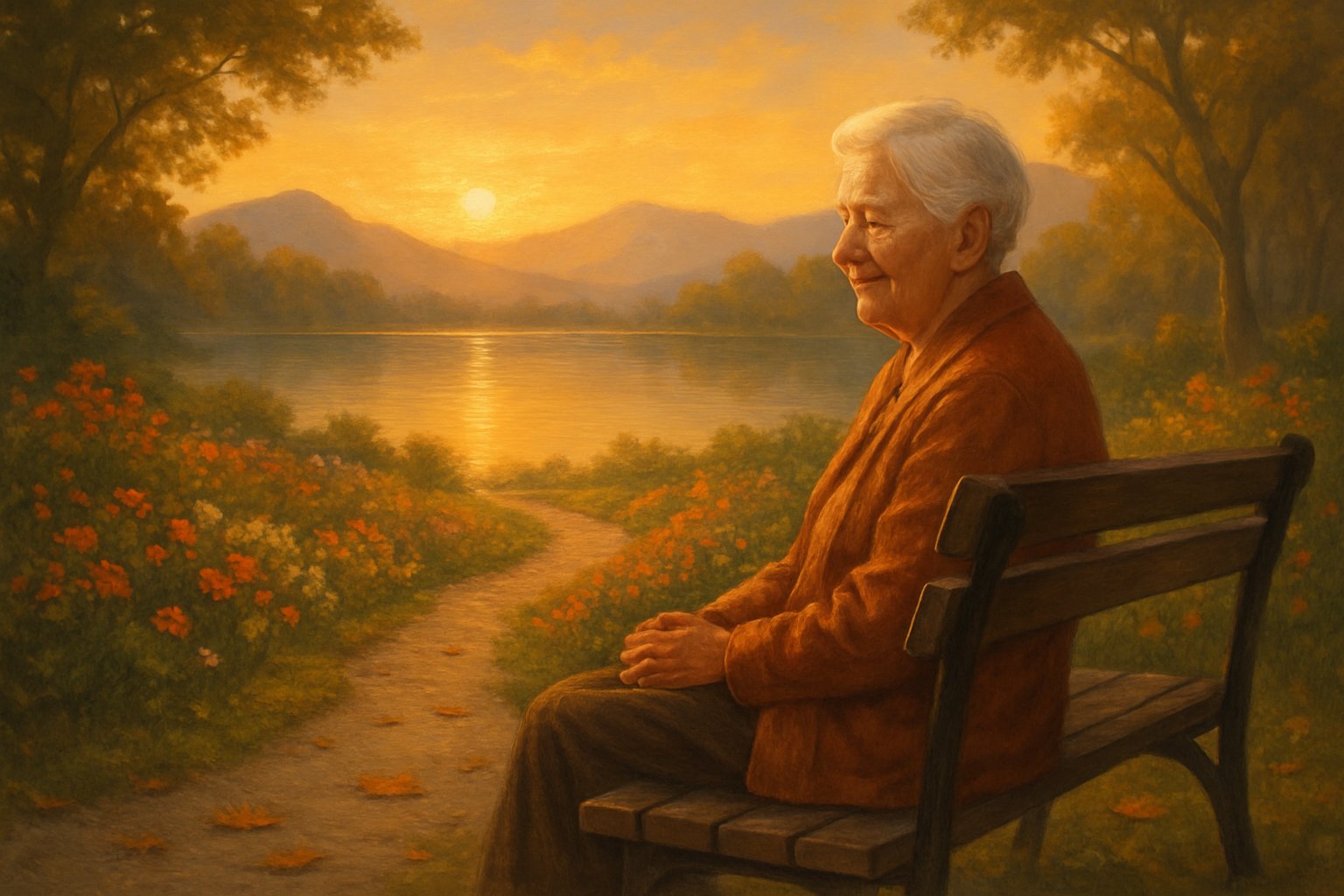
As you grow older, you naturally develop more patience. This helps you approach everyday frustrations with calm rather than irritation.
Your experiences give you a broader perspective on life’s challenges. You are better able to see which problems are temporary and which require action.
With increased patience, you also improve your relationships. You learn to listen more and react less impulsively.
This shift in mindset reduces stress. When you face difficulties, you respond with thoughtful reflection instead of immediate frustration.
Embracing patience allows you to handle both small annoyances and major life changes with greater ease. Your wisdom guides you through uncertainty rather than overwhelming you.
Overall, this growth equips you to navigate retirement’s ups and downs more smoothly. It brings a clearer understanding of what truly matters in everyday life.
18. Greater control over diet and exercise habits

Retirement often gives you more time and flexibility to focus on your diet and exercise. Without the constraints of a busy work schedule, you can plan meals and physical activity that better suit your body’s needs.
You can choose to eat a diet rich in fruits, vegetables, fish, and whole grains, which supports overall health. Limiting fats and sugars becomes easier when you have control over grocery shopping and meal preparation.
Exercise can take many forms, from daily walks to more structured workouts. Regular physical activity helps maintain mobility and can prevent common age-related conditions like diabetes and high cholesterol.
With more free time, you can also develop consistent, moderate exercise habits, which are key to preserving your health. This control allows you to adjust habits gradually and sustainably, improving your quality of life as you age.
17. Ability to set personalized daily schedules

In retirement, you gain the freedom to design your days exactly how you want. You can create a personalized schedule that fits your energy levels, interests, and priorities.
This flexibility lets you balance activity and rest effectively. You might wake up later than before or dedicate specific times to hobbies, exercise, or socializing.
Having control over your daily routine helps reduce stress. You can avoid the pressure of rigid timelines and instead follow a rhythm that suits your lifestyle.
If you find it challenging at first, you can experiment with different routines until you find what works best. Technology, like calendar apps or reminders, can support your planning.
Setting your own schedule gives each day more meaning. It allows you to pursue goals or simply enjoy downtime on your terms, making retirement more fulfilling and manageable.
16. Reduced exposure to workplace politics
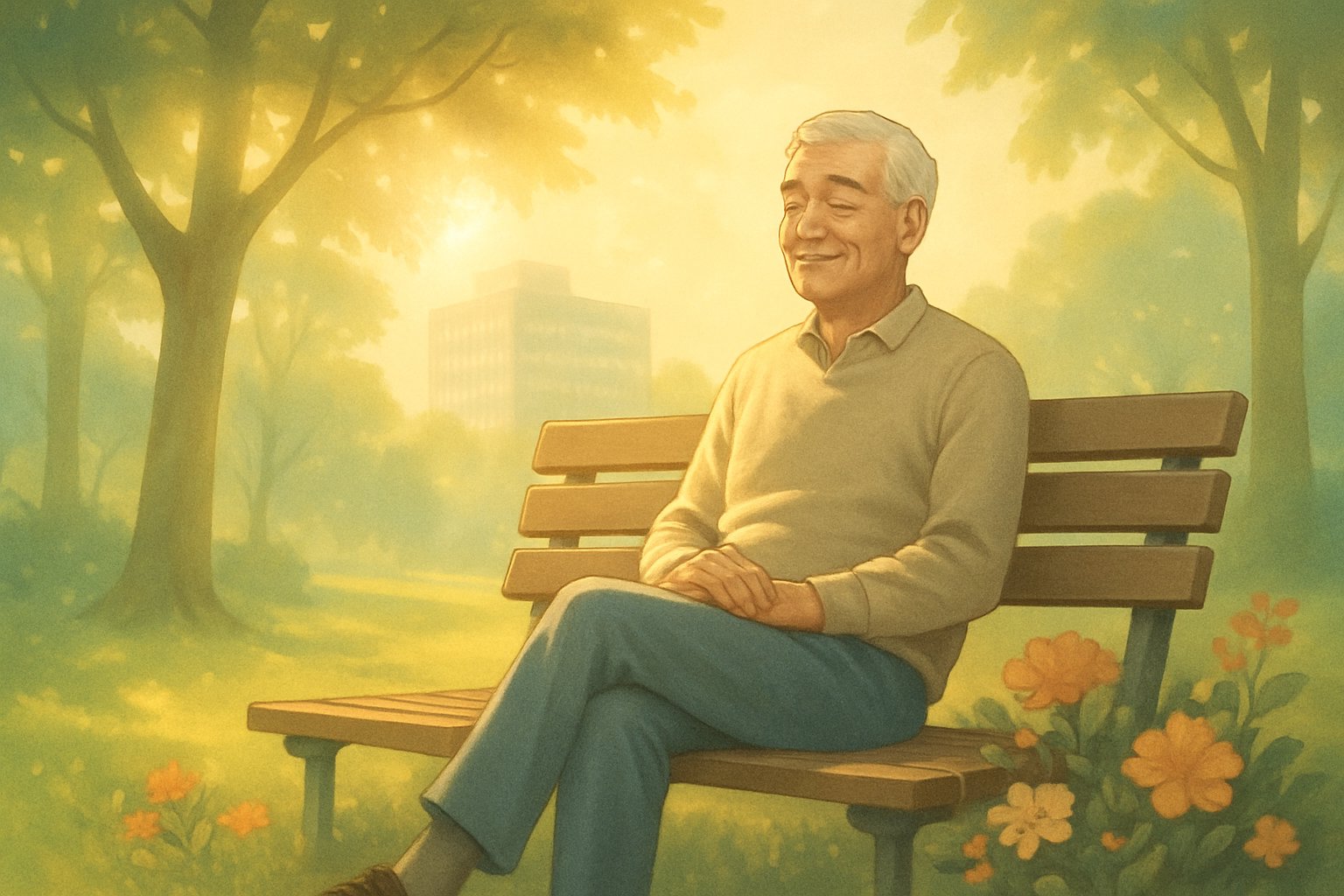
When you retire, you step away from the everyday dynamics that often drive office politics. You no longer have to navigate power struggles or compete for promotions. This can bring a sense of relief and reduce daily stress.
Workplace politics can be a significant source of tension, especially in environments where decisions are influenced by personal agendas rather than merit. By retiring, you remove yourself from these conflicts and the pressure they create.
Without the need to manage relationships for career advancement, you have more freedom to focus on your interests and well-being. This distance allows you to maintain a clearer perspective and prioritize what matters most to you.
For those who stayed in the workplace beyond traditional retirement age, stepping away can feel even more freeing. The longer you worked, the more likely you encountered office politics, so retirement offers a break from that often challenging environment.
15. Development of deeper personal relationships
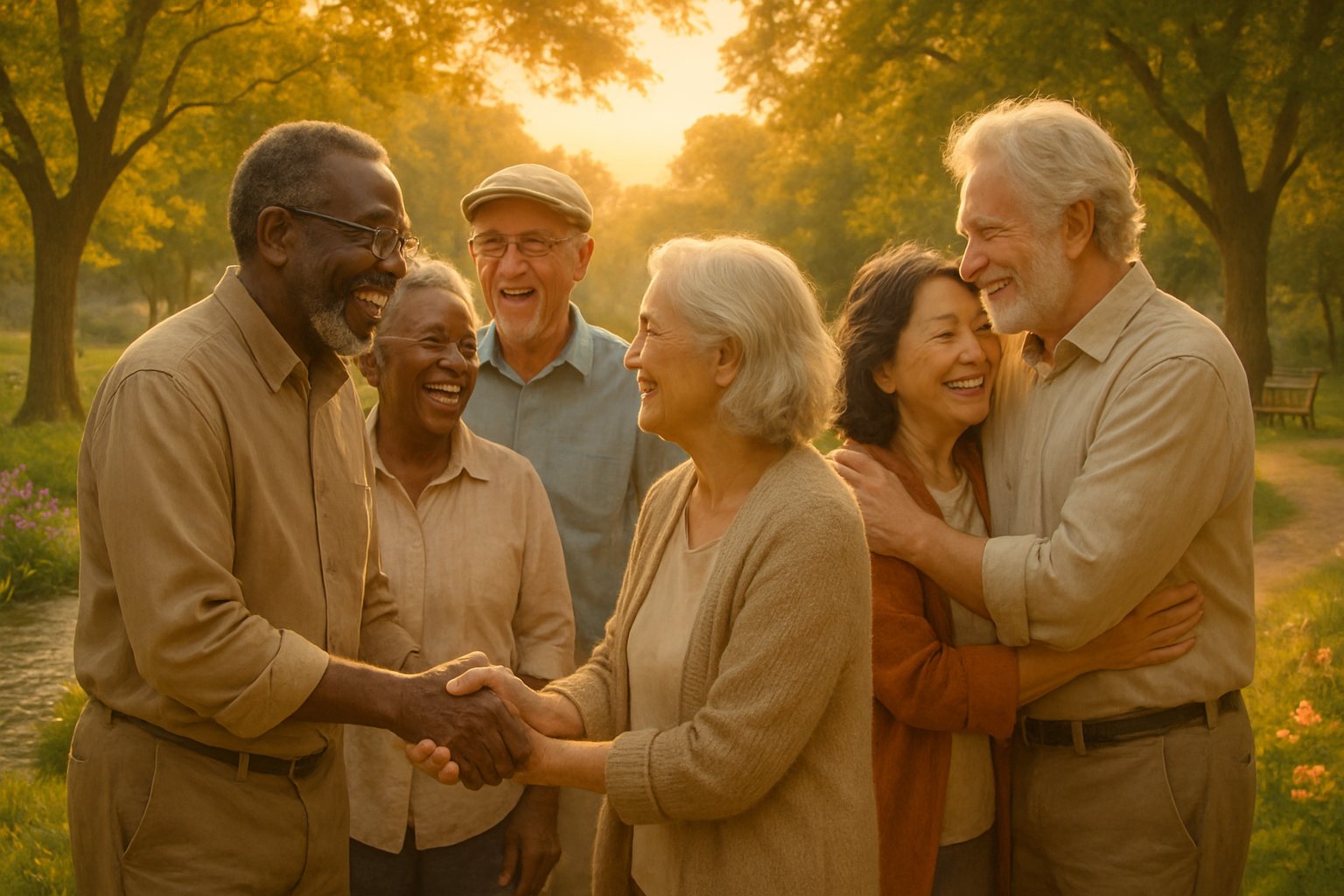
In retirement, you often have more time and space to focus on your close relationships. With fewer work obligations, you can invest in meaningful conversations and shared activities that deepen bonds.
You may find that your social circle stabilizes around those who truly matter, allowing you to build richer, more supportive connections. These stronger ties can improve your emotional well-being.
Retirement also gives you a chance to understand yourself and others better. As you grow, your relationships benefit from increased empathy, patience, and openness.
You might notice that social interactions become more positive and fulfilling. This development results from life experience and a clearer sense of what you value in others.
It’s common to experience greater satisfaction with your social life during this stage. Prioritizing quality over quantity helps foster authentic connections that enhance daily life.
14. More time for volunteer work and giving back

Retirement frees up your schedule, giving you more time to engage in volunteer activities. This can be a meaningful way to use your skills and experience to help others.
Volunteering offers a sense of purpose beyond your career years. It allows you to connect with your community and build new social networks.
You can choose to volunteer in ways that match your interests, whether mentoring youth, supporting local projects, or contributing to environmental efforts. Many opportunities do not require financial donations, focusing instead on your time and talents.
Giving back in retirement can also help you stay active and mentally engaged. It may lead to discovering new passions or skills you hadn’t explored before.
With more time at your disposal, you can participate in both one-time events and ongoing volunteer commitments. This flexibility lets you find the right fit for your lifestyle and energy level.
13. Improved sleep quality with less work-related anxiety
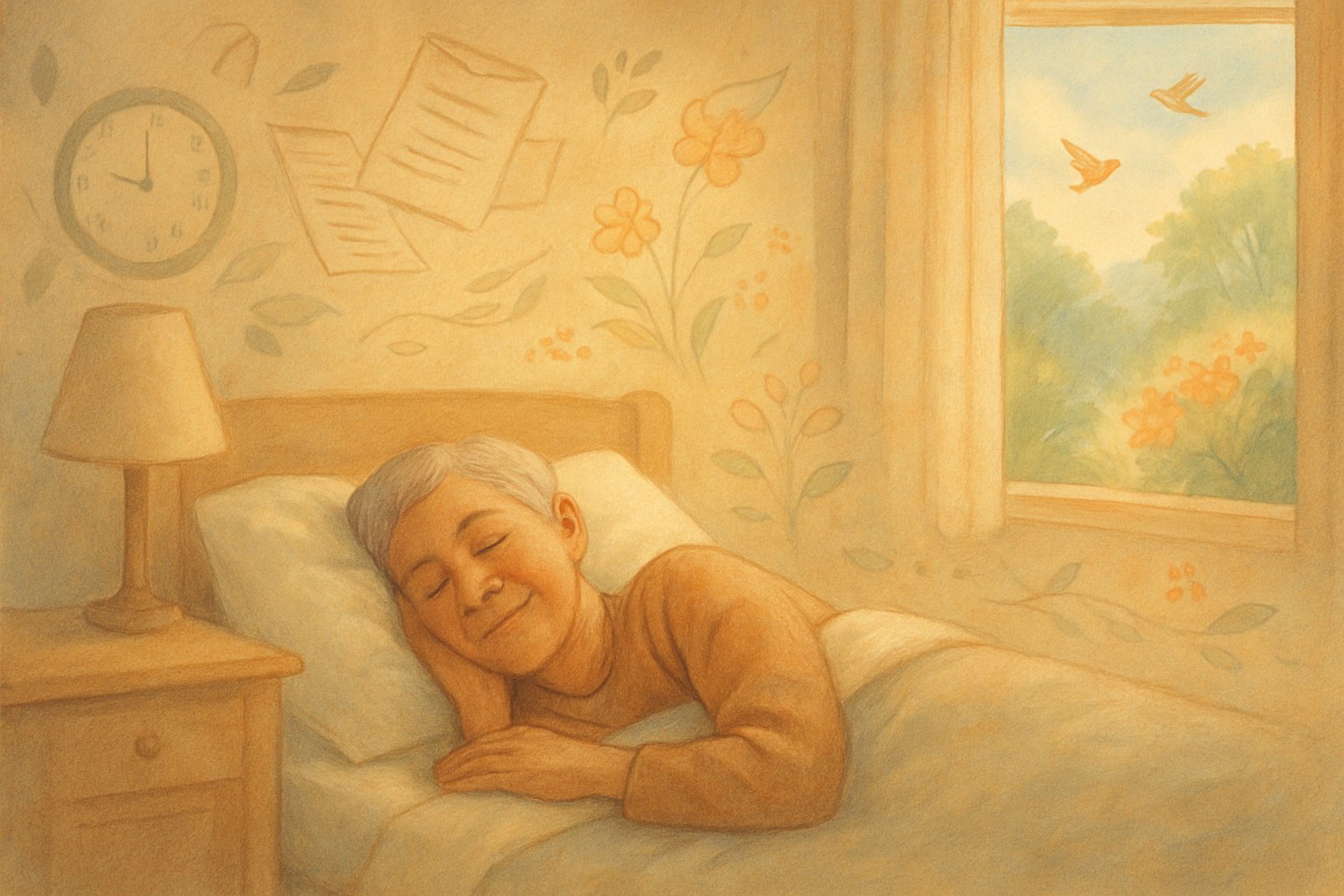
When you retire, you often leave behind many sources of daily stress. Work-related worries and deadlines no longer dominate your thoughts, which can ease your mind significantly.
This reduction in anxiety helps improve your sleep quality. Without the pressure of work, your body and mind may relax more easily at night, allowing you to fall asleep faster and stay asleep longer.
You might notice that, with fewer stress triggers, your sleep becomes more restorative. This can lead to better mood regulation and clearer thinking during the day.
However, some retirees experience a new challenge: the absence of work can leave you feeling less mentally tired. Without that natural fatigue, falling asleep might be harder unless you find other ways to stay active.
Maintaining a consistent sleep routine and staying physically engaged can help your body adjust. Over time, your sleep pattern can stabilize, reflecting the reduced anxiety and more flexible schedule retirement allows.
12. Higher life satisfaction reported by retirees

You are likely to notice an increase in life satisfaction after retirement. Studies show that many retirees report higher overall well-being compared to their working years. This improvement often links to having more control over your time and fewer job-related stresses.
If you have stable savings and a reliable income, you may experience even greater satisfaction. Financial security contributes significantly to your ability to enjoy retirement without constant worry.
Your personality and how you approach retirement also play a role in how satisfied you feel. Those who plan ahead and engage in meaningful activities tend to report higher life satisfaction.
You may find that retiree life satisfaction rises as you age, especially between 65 and 74. This can relate to enjoying leisure, hobbies, and social connections more freely than before.
Unexpected retirement or involuntary retirement may affect your satisfaction differently, but with a smooth transition, you can still achieve a positive outlook on life after work.
11. Ability to mentor younger generations

You have accumulated valuable knowledge and experience that younger people can benefit from. Mentoring offers a way to share your skills in practical, meaningful ways. You can guide others through career decisions, personal challenges, or life skills.
Engaging with younger generations through mentoring also brings you renewed purpose. It provides an opportunity to reflect on your own values and experiences. This interaction can improve your emotional well-being by creating social connections and a sense of contribution.
You can volunteer at schools, community centers, or through online platforms designed to match mentors with mentees. Even simple activities like hosting group talks or one-on-one sessions can make a lasting impact. Staying open to new ideas from younger people helps build mutual respect and understanding.
10. Greater focus on health and wellness routines
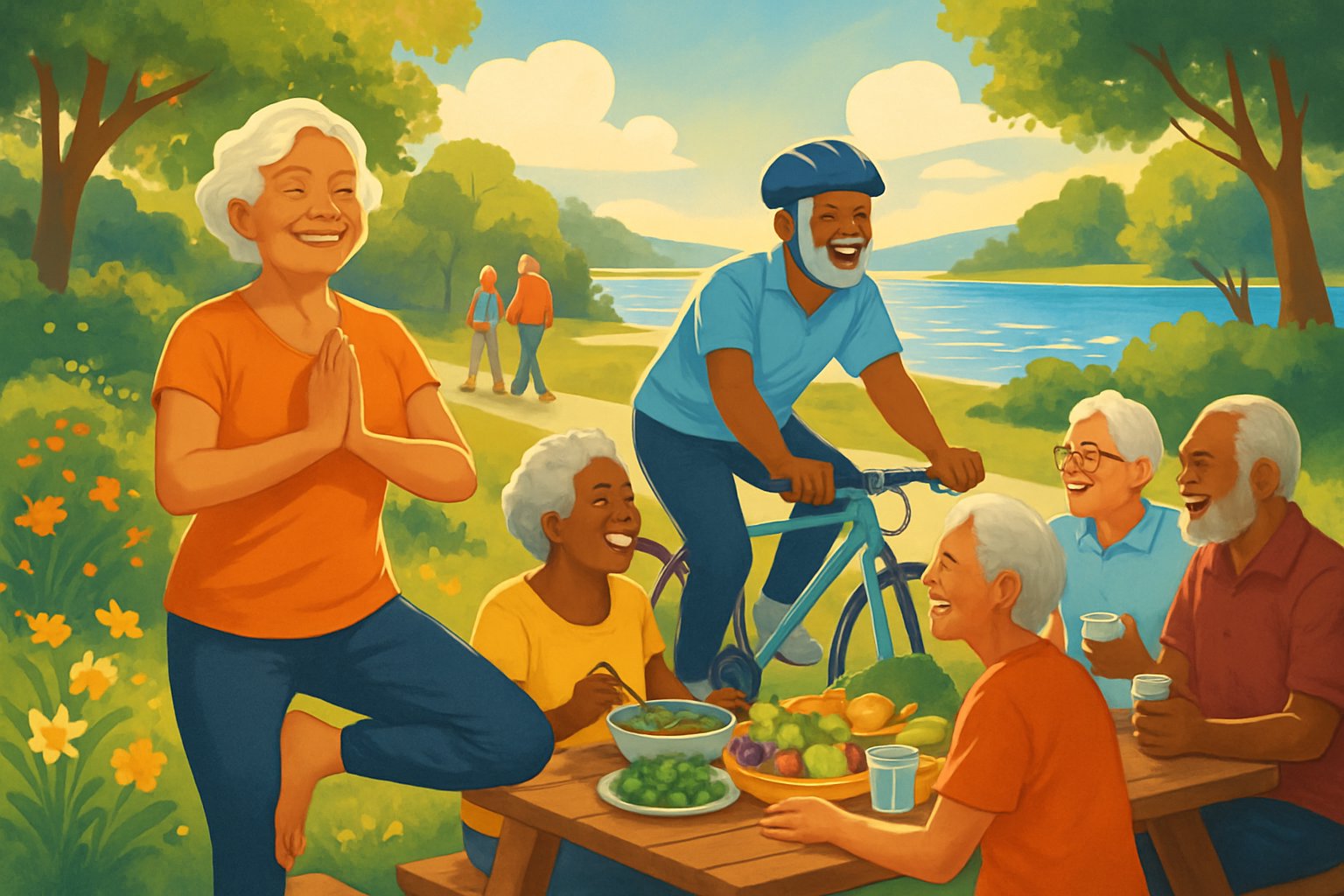
In retirement, you have more time to dedicate to your health. Establishing consistent wellness routines becomes easier without workday constraints. This can include regular physical activity, mindful eating, and adequate rest.
Your body changes with age, so adapting your fitness and nutrition plans is important. Engaging in activities like walking, swimming, or gentle strength training helps maintain muscle mass and mobility. Balanced nutrition supports energy and immune function.
Mental health is equally important. You can incorporate stress-reduction techniques such as meditation or hobbies you enjoy. Social connections also contribute to emotional well-being and can be maintained through clubs or group activities.
By prioritizing these routines, you support your independence and quality of life. Small, consistent efforts in wellness often produce noticeable benefits over time. This approach helps you enjoy your retirement years with better health and more vitality.
9. Freedom from career-related stress and deadlines

Retirement removes the constant pressures that come with work, such as meeting deadlines and managing demanding schedules. You no longer need to respond instantly to emails or attend back-to-back meetings. This change allows you to control your daily pace.
Without career-related stress, you have more mental space to focus on activities that matter to you. Many retirees find relief in stepping away from the expectations tied to job performance.
However, this freedom can also require adjustment. You may feel a lack of external motivation initially since there are no imposed deadlines. Finding your own rhythm and purpose becomes key to maintaining momentum in retirement.
You have the opportunity to organize your time around your interests, health, and relationships instead of work demands. This newfound flexibility often improves well-being and reduces anxiety tied to job responsibilities.
8. Access to senior discounts and benefits
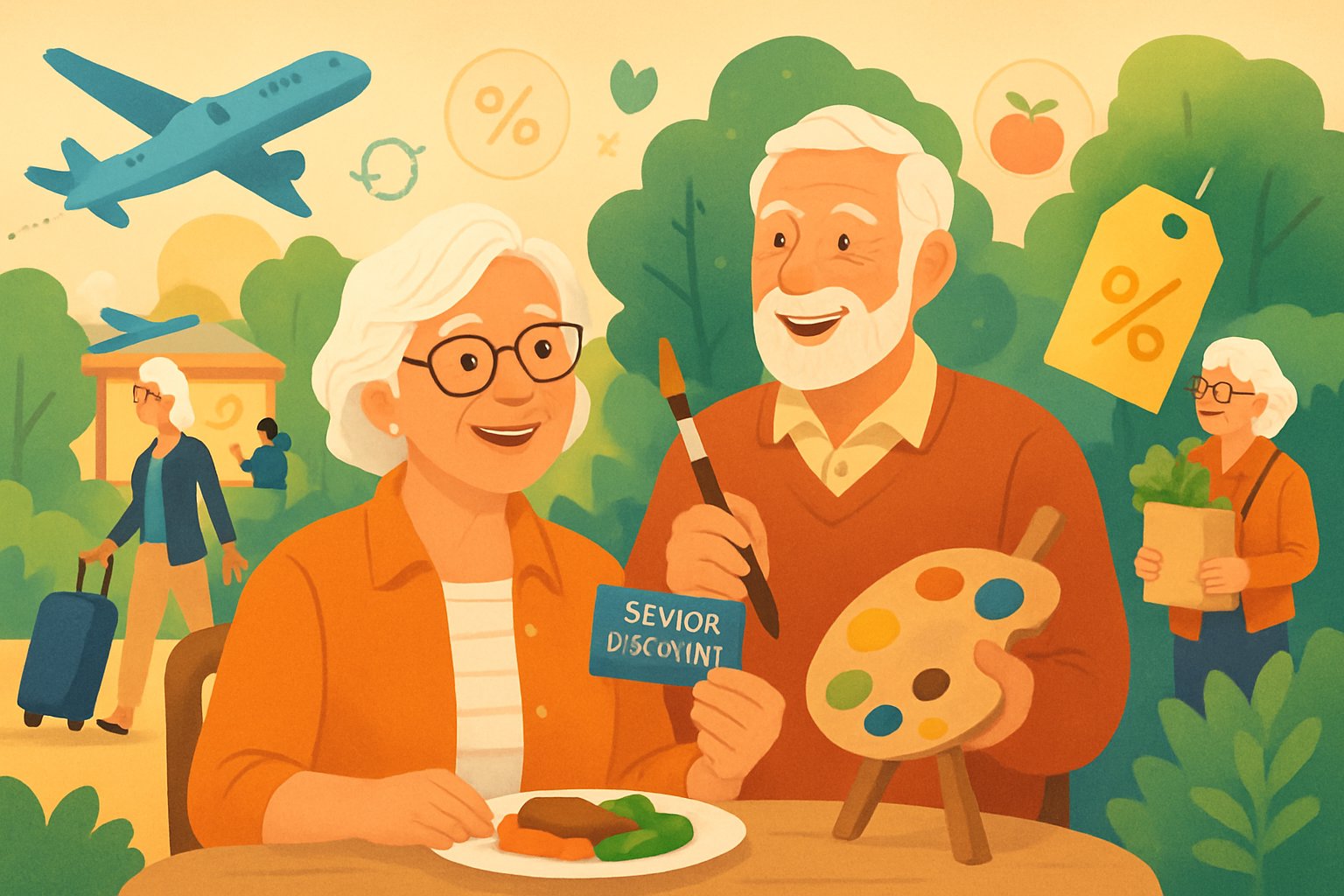
Once you reach a certain age, typically between 50 and 65, you become eligible for a variety of senior discounts. These savings apply to many everyday expenses, including dining, shopping, travel, and entertainment.
Retailers and restaurants often offer reduced prices exclusively for seniors. Some discounts start as early as age 55, allowing you to stretch your budget further.
You can also access federal benefits like discounted or lifetime passes to national parks. These perks make it easier and more affordable to enjoy recreational activities.
Many benefits extend to healthcare programs, housing assistance, and nutrition, helping to reduce costs in essential areas. It’s important to check eligibility and enrollment options to maximize these advantages.
Using these discounts and benefits regularly can make a noticeable difference in your retirement finances. Staying informed about new or lesser-known offers helps you get the most value as you age.
7. More opportunities for travel and new experiences

Retirement often frees up your schedule, allowing you to travel more frequently and at your own pace. Without the constraints of work, you can explore destinations that were once difficult to visit.
This period offers a chance to discover new cultures, try different cuisines, and experience environments you’ve never seen before. Travel can help you stay mentally active by exposing you to fresh perspectives and challenges.
You can also design your trips to match your energy and interests, choosing between active adventures or relaxed, low-impact journeys. Being open to spontaneity on these trips often leads to unexpected and rewarding moments.
With fewer responsibilities, you may find it easier to take longer or more frequent vacations. This flexibility helps you create meaningful travel experiences that enhance your quality of life.
6. Enhanced emotional intelligence with age
As you age, your ability to recognize and manage emotions often improves. This skill, known as emotional intelligence, helps you respond more calmly to challenges, reducing stress in daily life.
You gain experience interpreting your feelings and those of others. This deeper understanding allows you to communicate more effectively and build stronger relationships.
With age, you are better at regulating emotions and practicing positive thinking. These abilities help you adjust to retirement’s changes, making the transition smoother.
Your growing emotional intelligence supports mental health by fostering resilience. It also encourages empathy, which can enhance social interactions and reduce feelings of isolation.
You can use these emotional skills to set healthy boundaries and prioritize what truly matters. Improving emotional intelligence is not automatic, but with attention, it can become a valuable asset in your later years.
5. Better ability to appreciate life’s simple pleasures

As you retire and age, you often find it easier to notice and enjoy the small joys in daily life. These simple pleasures, like a quiet morning coffee or a sunset, bring a steady sense of comfort and fulfillment. You don’t need grand events to experience happiness.
Your focus naturally shifts toward being present in the moment. Without the rush of deadlines and work obligations, you can slow down and engage fully with your surroundings. This mindfulness deepens your appreciation for everyday experiences that might have gone unnoticed before.
You may also find gratitude growing for ordinary moments shared with loved ones. Whether it’s laughter, conversation, or quiet reflection, these connections can feel richer and more meaningful.
Learning to savor these small pleasures is not just rewarding but also helps manage stress. It encourages a peaceful mindset, allowing you to enjoy retirement with greater calm and contentment.
4. Improved mental resilience against stress
As you age, your ability to handle stress in retirement often strengthens. Mental resilience helps you manage the inevitable challenges that come with this life change. You become better at adapting to new routines and unexpected situations.
Building resilience supports your emotional well-being. It reduces feelings of anxiety and depression that can arise during retirement. You may find it easier to maintain a positive outlook even when facing setbacks.
Practicing resilience also improves your cognitive function. Staying mentally active and focused helps you enjoy life despite its ups and downs. You can increase this ability by setting realistic goals and remaining socially engaged.
Techniques like meditation can further build your stress resistance. Meditation reduces worry and rumination, common issues for retirees adjusting to their new lifestyle. Improving your sleep quality through such practices also supports your overall mental health.
If you struggle with stress, know that seeking professional support is helpful. Talking with a counselor can provide strategies to strengthen your resilience. This support prepares you to cope with retirement’s emotional demands with confidence.
3. Stronger social connections from community involvement
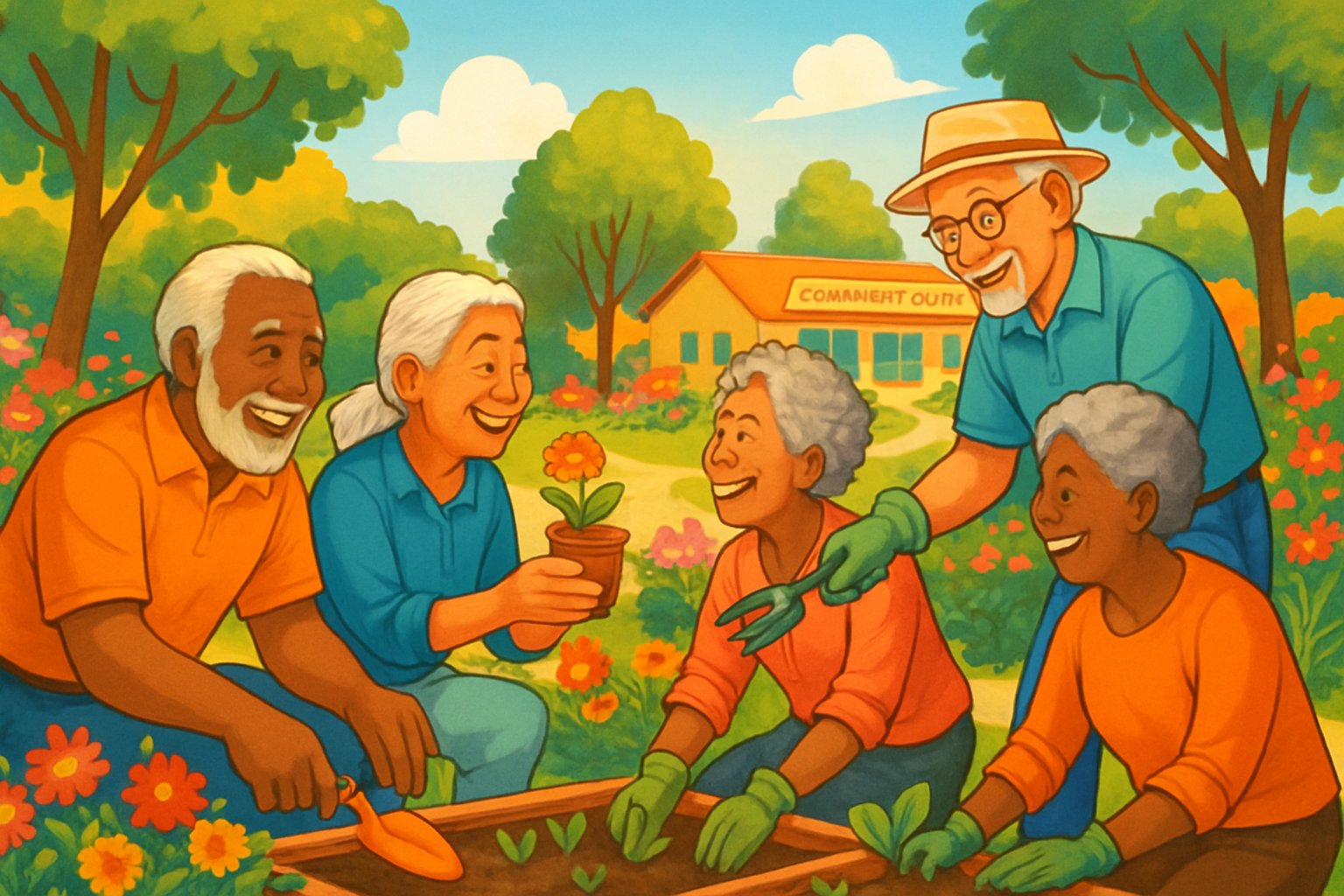
Retirement gives you the opportunity to deepen your social connections by engaging with your community. Joining local clubs, volunteer groups, or attending community events helps you meet new people and build meaningful relationships.
Being involved in community activities provides regular social interaction, which supports both your mental and physical health. These connections offer emotional support and help reduce feelings of isolation.
You can also rekindle old friendships by participating in group activities or shared hobbies. This sense of belonging creates a network that enriches your daily life and encourages personal growth.
Regular social engagement keeps your mind active and can contribute to a longer, healthier life. Simple steps, like attending local meetings or volunteering, make community involvement accessible and rewarding.
2. More time for hobbies and personal passions

Retirement gives you the freedom to dedicate more time to hobbies and interests you may have set aside. Without the constraints of work, you can explore activities that bring you satisfaction and a sense of purpose.
You might find joy in creative outlets like painting, writing, or music. Physical activities such as walking, gardening, or dancing also help maintain your health while keeping you engaged.
This period allows you to discover new passions or revisit old ones. Whether volunteering, learning a language, or trying unusual hobbies, you can choose what fits your lifestyle and interests.
By focusing on your personal passions, you create a daily routine that is meaningful and fulfilling. This helps you stay active both mentally and physically as you enjoy your retirement years.
1. Increased financial stability through pension and social security benefits

You gain greater financial stability as you age due to pension payments and Social Security benefits. These income streams become more predictable and reliable over time, helping cover essential living expenses.
Social Security benefits typically begin at age 62, but delaying your claim up to age 70 increases your monthly payment. This delay can result in significantly higher benefits, providing improved financial security.
If you have a pension plan, payments usually start upon retirement and continue regularly. Combined with Social Security, these benefits form a foundational income source that reduces dependence on other assets.
Cost-of-living adjustments (COLA) are applied annually to Social Security payments, which helps maintain your purchasing power despite inflation. This ongoing increase supports your long-term financial stability.
You should also consider how survivor benefits based on your Social Security claim can protect your spouse financially. The system is designed to provide support not only to you but also to your family.
🔥 Would you like to save this?
Please note that some of the imagery in this article were created with the aid of AI image generators.