
🔥 Would you like to save this?
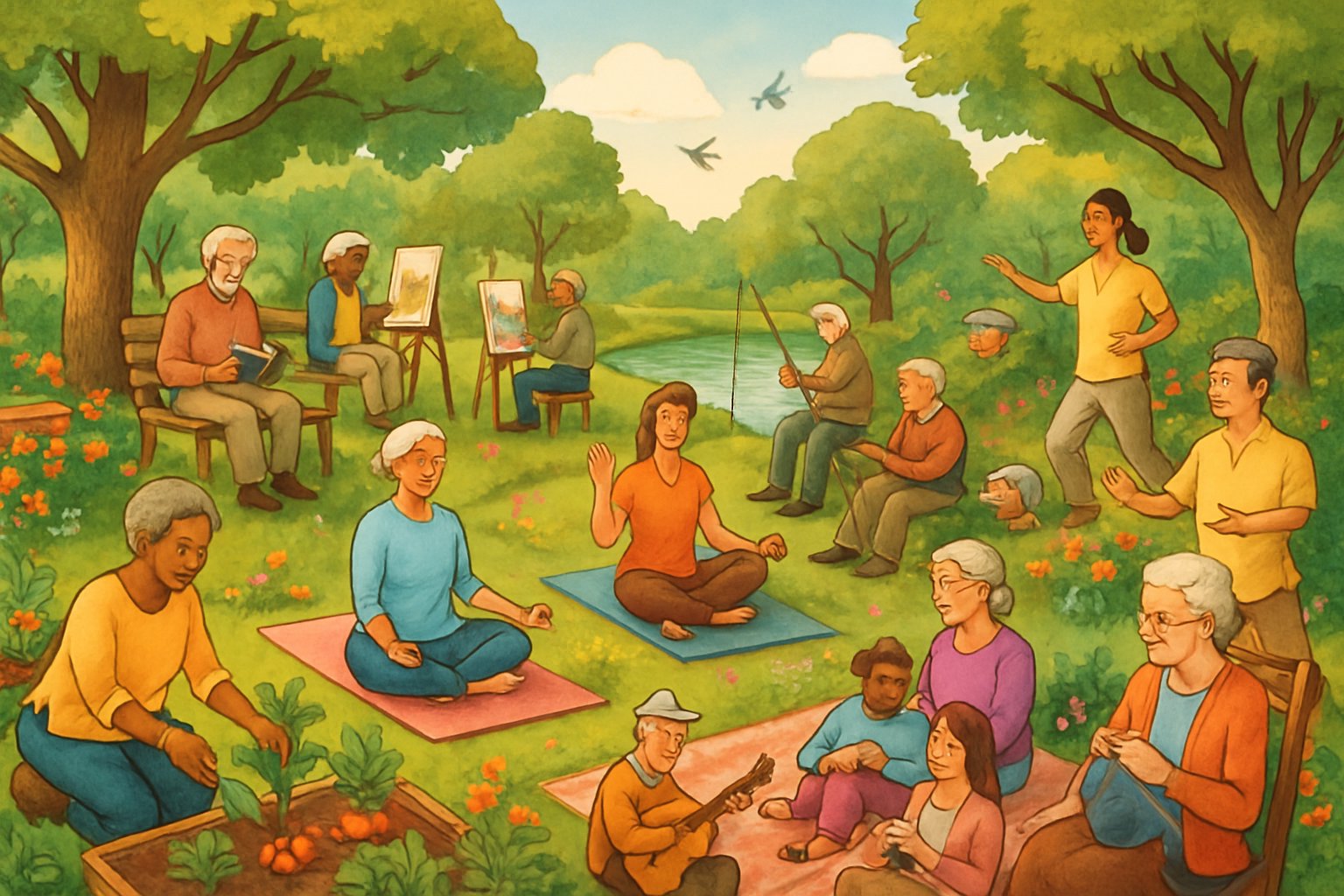
Retirement often brings more free time, which can be both a gift and a challenge. Finding ways to relax and manage stress becomes important as you adjust to a new daily routine. Engaging in calming activities can help you stay balanced and improve your overall well-being.
Relaxing hobbies provide practical ways for you to reduce stress and create a sense of calm in your life. These activities can help fill your days with purpose while supporting your mental and emotional health during retirement.
35. Joining a book club
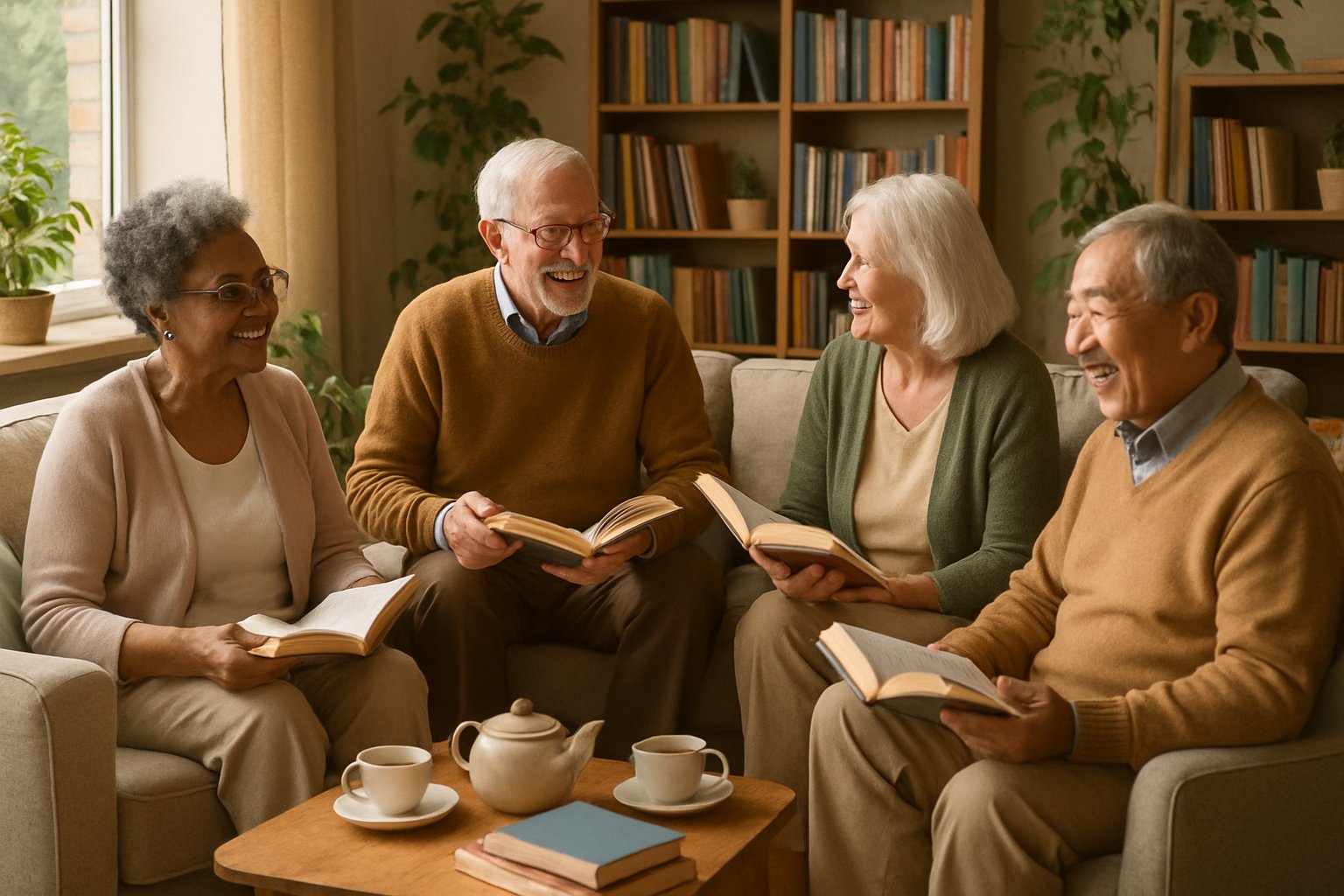
Joining a book club is a simple way to add structure and social interaction to your routine. It offers regular opportunities to meet others who share your interest in reading.
You can choose from different genres and authors, which keeps your reading varied and engaging. Discussing books helps you think more deeply about the stories and ideas.
Being part of a group encourages you to read consistently, which supports mental activity. It also creates a space to express your opinions and listen to diverse perspectives.
Many communities have book clubs through libraries, senior centers, or online platforms. You can find one that fits your schedule and preferred reading style.
Joining a book club combines relaxation with social connection, making it a stress-relieving hobby that keeps you mentally active and connected.
34. Painting miniature models
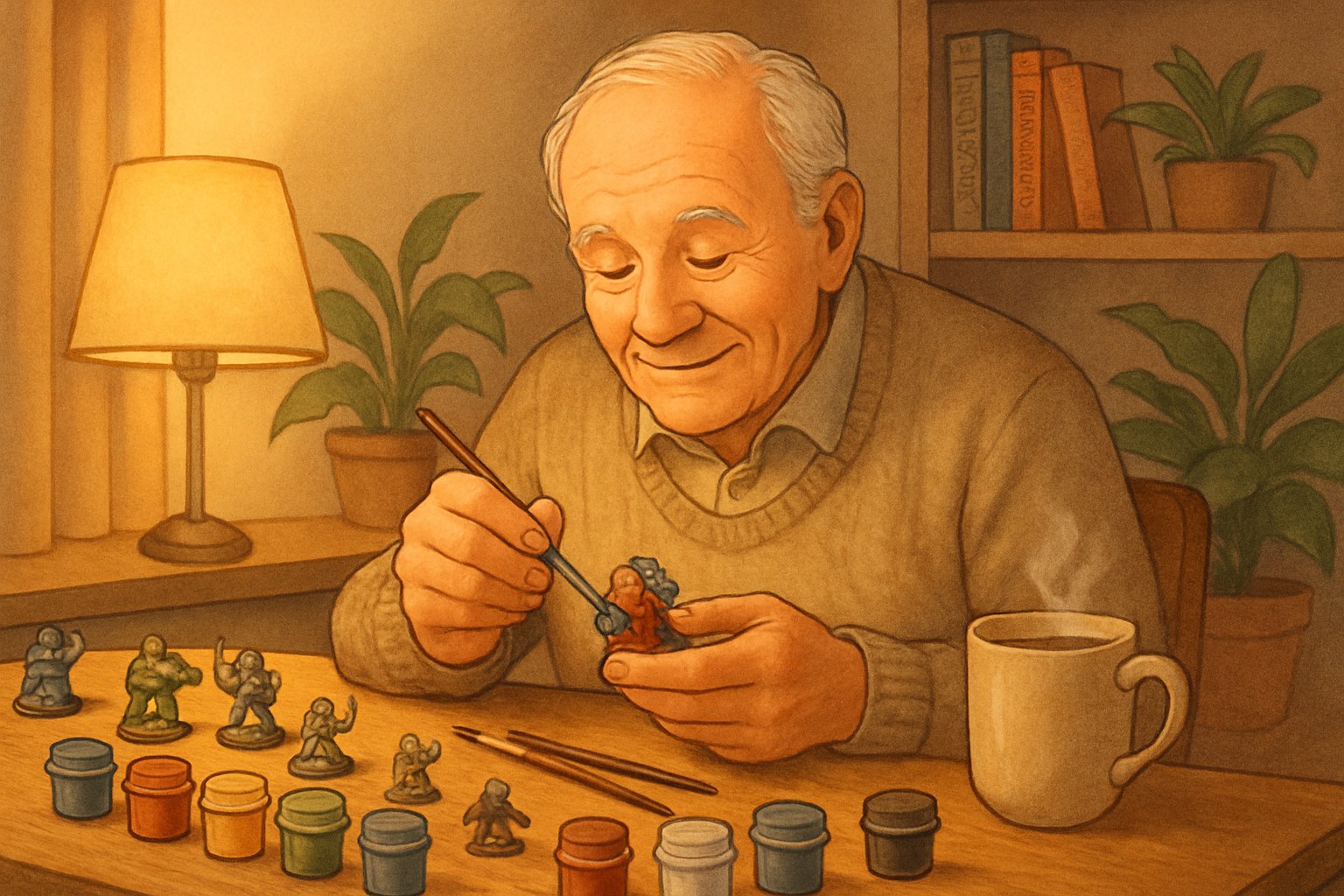
Painting miniature models is a focused, hands-on hobby that helps you improve fine motor skills and hand-eye coordination. It requires concentration, which can divert your mind from daily stress and promote relaxation.
This hobby also encourages creativity as you choose colors and designs for your models. The meditative nature of carefully painting small details fosters calmness and can reduce feelings of anxiety.
You can start with affordable kits and gradually build your skills. It is an enjoyable way to spend quiet time and engage in a purposeful activity.
Many retirees find miniature painting to be mentally stimulating while offering a sense of accomplishment. It allows you to express yourself artistically without needing extensive prior experience.
33. Indoor herb gardening

Indoor herb gardening offers a simple way to engage with nature without needing much space. You can grow herbs like basil, mint, or thyme on a windowsill, which provides fresh ingredients for your cooking.
Caring for herbs helps reduce stress while promoting relaxation. The process of watering, pruning, and smelling the plants can have a calming effect on your mind.
This activity also encourages gentle physical movement, which aids in maintaining flexibility and hand dexterity. It requires light effort but keeps you active and focused.
Having an indoor herb garden allows you to connect with nature year-round. The natural scents from the herbs can improve your mood and create a pleasant indoor environment.
32. Crossword puzzles
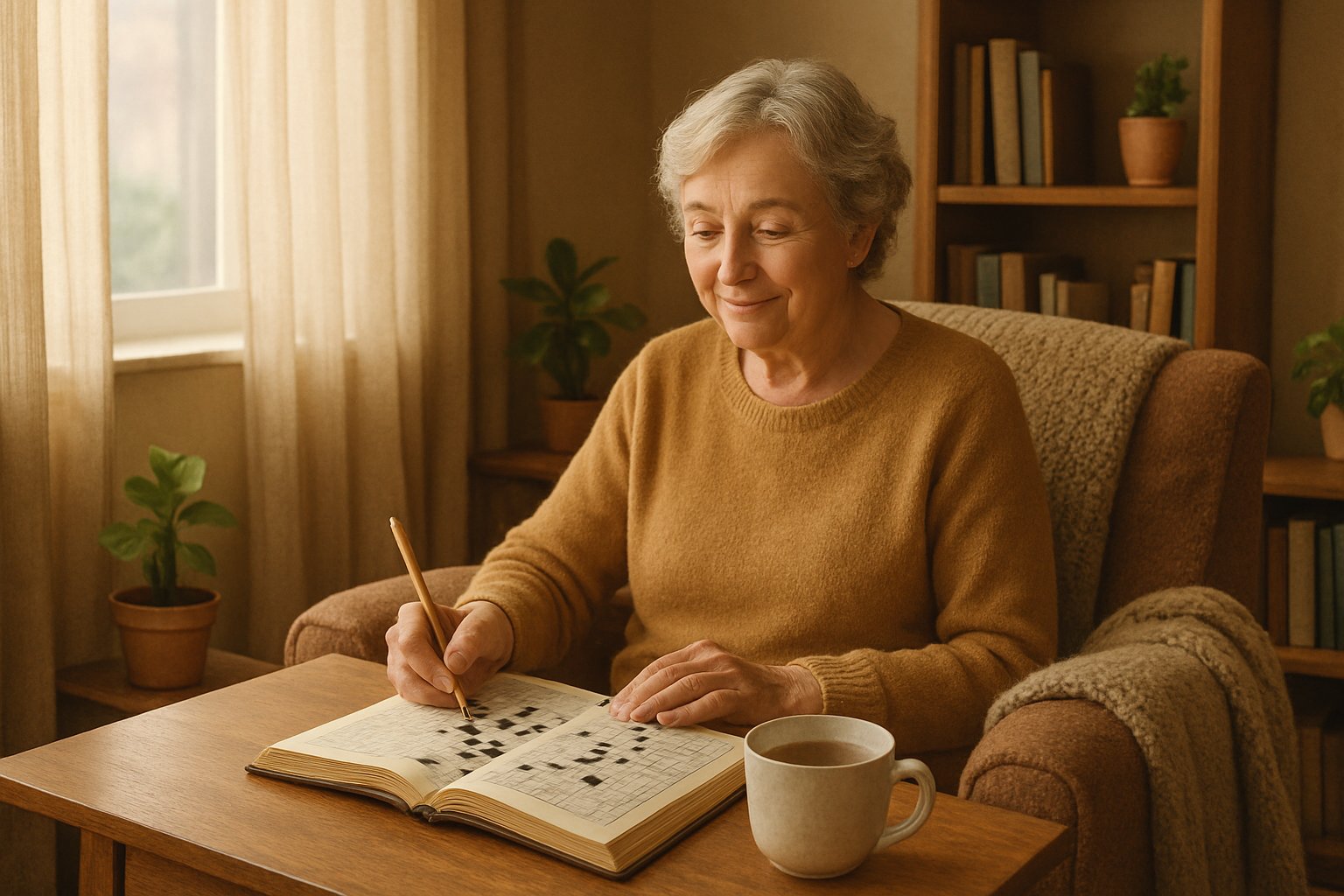
Crossword puzzles offer a simple yet effective way to keep your mind active and engaged. As you solve clues, you exercise your recall abilities and critical thinking skills, which can support cognitive health.
Working on crosswords can also help reduce stress. Focusing on the puzzle allows you to shift attention away from worries and provides a mental break from daily concerns.
These puzzles can improve memory and problem-solving skills over time. Regular practice challenges your brain in a structured, enjoyable manner without requiring intense effort or special equipment.
You can do crossword puzzles alone or with others, making them flexible for social or solo activities. They fit easily into your routine and can be done anywhere, helping you maintain mental agility in retirement.
31. Learning to play the harmonica
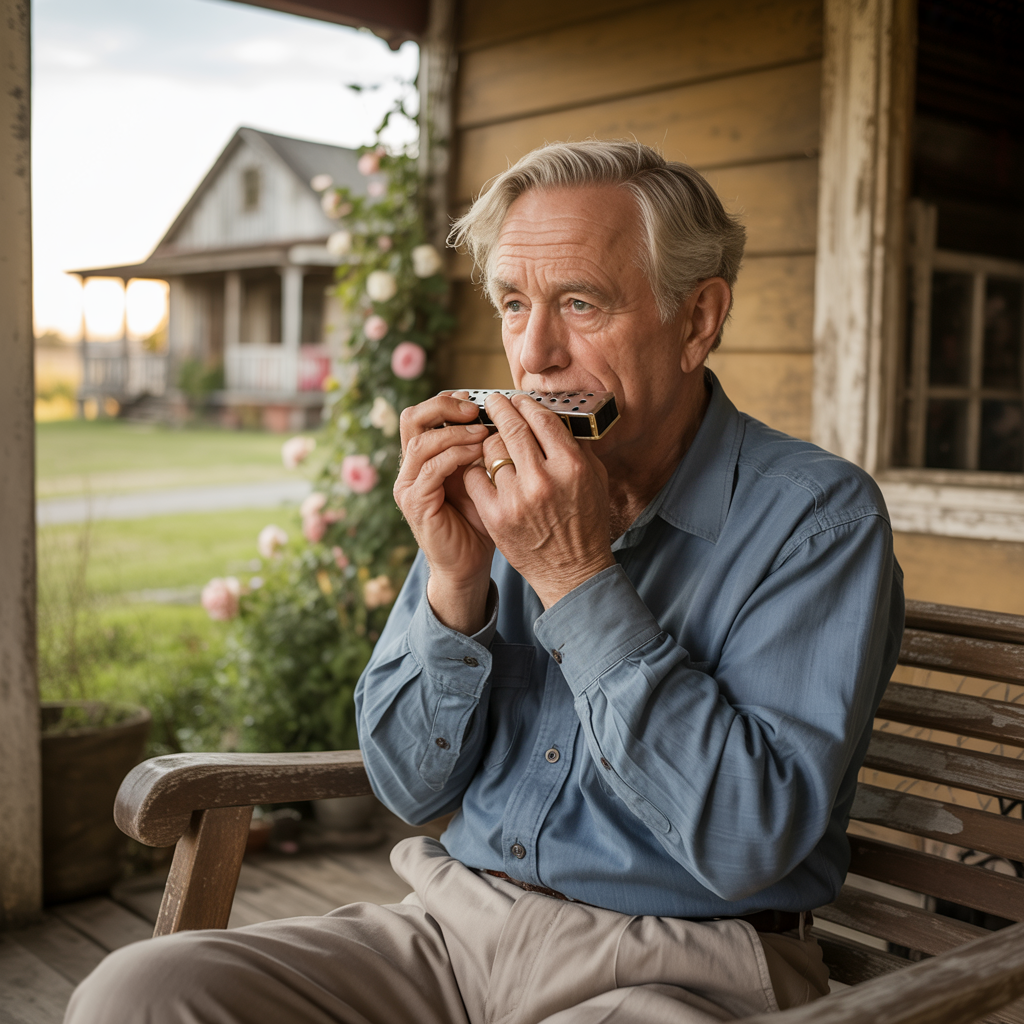
Learning to play the harmonica is a straightforward hobby that you can start at any age. It requires only a small investment in an instrument and some practice to develop basic skills.
Playing the harmonica engages your breathing and can help improve lung capacity and control. This can have a calming effect, helping you manage stress more effectively.
You also benefit from the mental stimulation involved in learning new songs and techniques. This keeps your mind active and focused, reducing feelings of anxiety and restlessness.
The harmonica is portable, so you can play it wherever you go. It also offers social opportunities if you join groups or participate in informal music sessions.
This hobby combines relaxation with skill-building, making it a useful activity to increase your enjoyment and support your mental health during retirement.
30. Watching nature documentaries

Watching nature documentaries provides a simple way to relax and reduce stress. You can enjoy the calming scenes of wildlife and natural landscapes without leaving your home.
This hobby can help you disconnect from daily worries and focus on peaceful, visually engaging content. It is especially useful during breaks or light tasks.
Many streaming platforms offer a wide variety of nature documentaries. You can choose content that suits your interests, whether it’s forests, oceans, or animals.
Watching these films can create a sense of mental escape and promote a feeling of calm. It also requires minimal effort, making it an accessible option for most retirees.
If you prefer, you can play nature documentaries in the background while you engage in other relaxing activities. This lets you maintain a gentle connection to nature even indoors.
29. Playing board games with friends

Playing board games with friends offers a simple way to relax and reduce stress. You focus on the game, which helps distract your mind from daily worries.
This activity promotes social interaction, reducing feelings of isolation. Sharing laughter and friendly competition strengthens your bonds and creates positive memories.
Board games also stimulate mental functions like memory and strategic thinking. Keeping your mind engaged can help maintain cognitive sharpness over time.
You only need to buy a game once to enjoy it repeatedly. Many games are portable, allowing you to play at home or while traveling.
Choosing games suited to your personal interests and physical comfort can make the experience more enjoyable. You can find options that accommodate seated play and different skill levels.
28. Soap making
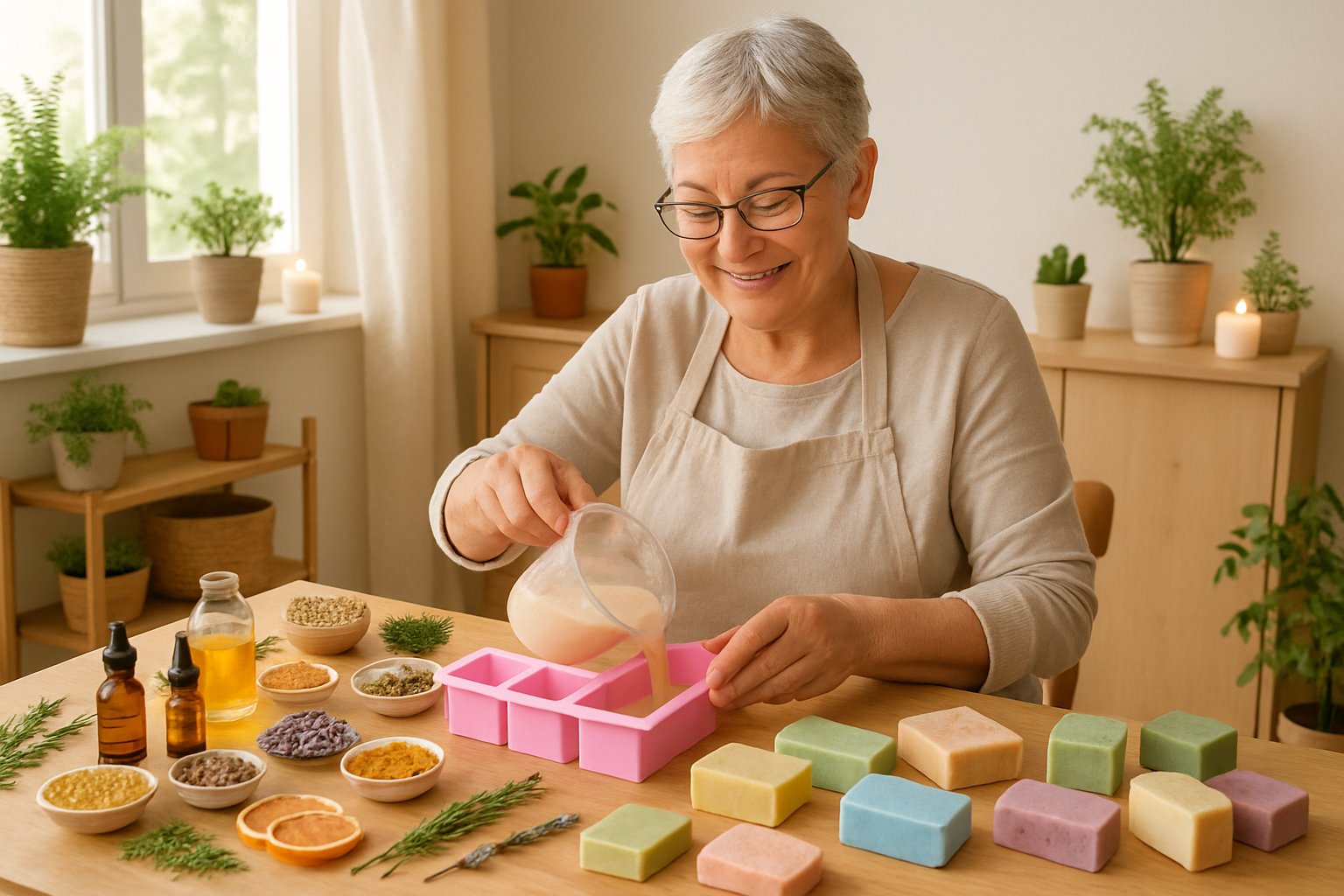
Soap making is a creative and hands-on hobby that allows you to craft customized soaps for personal use or gifts. It involves mixing oils, lye, and fragrances, which requires focus and patience.
This hobby can be both relaxing and rewarding. Working with different colors, scents, and textures gives you a way to express your creativity while engaging your mind.
You also benefit from the tactile nature of the process. Handling ingredients and shaping soaps helps reduce stress by keeping your mind present and active.
Soap making can be done at home with minimal equipment, making it an affordable activity. Additionally, learning the science behind it can provide a satisfying sense of accomplishment.
You might find it helpful to follow tutorials or join local groups to share tips. This hobby can also connect you with others who enjoy crafting and homemade products.
27. Reading historical fiction
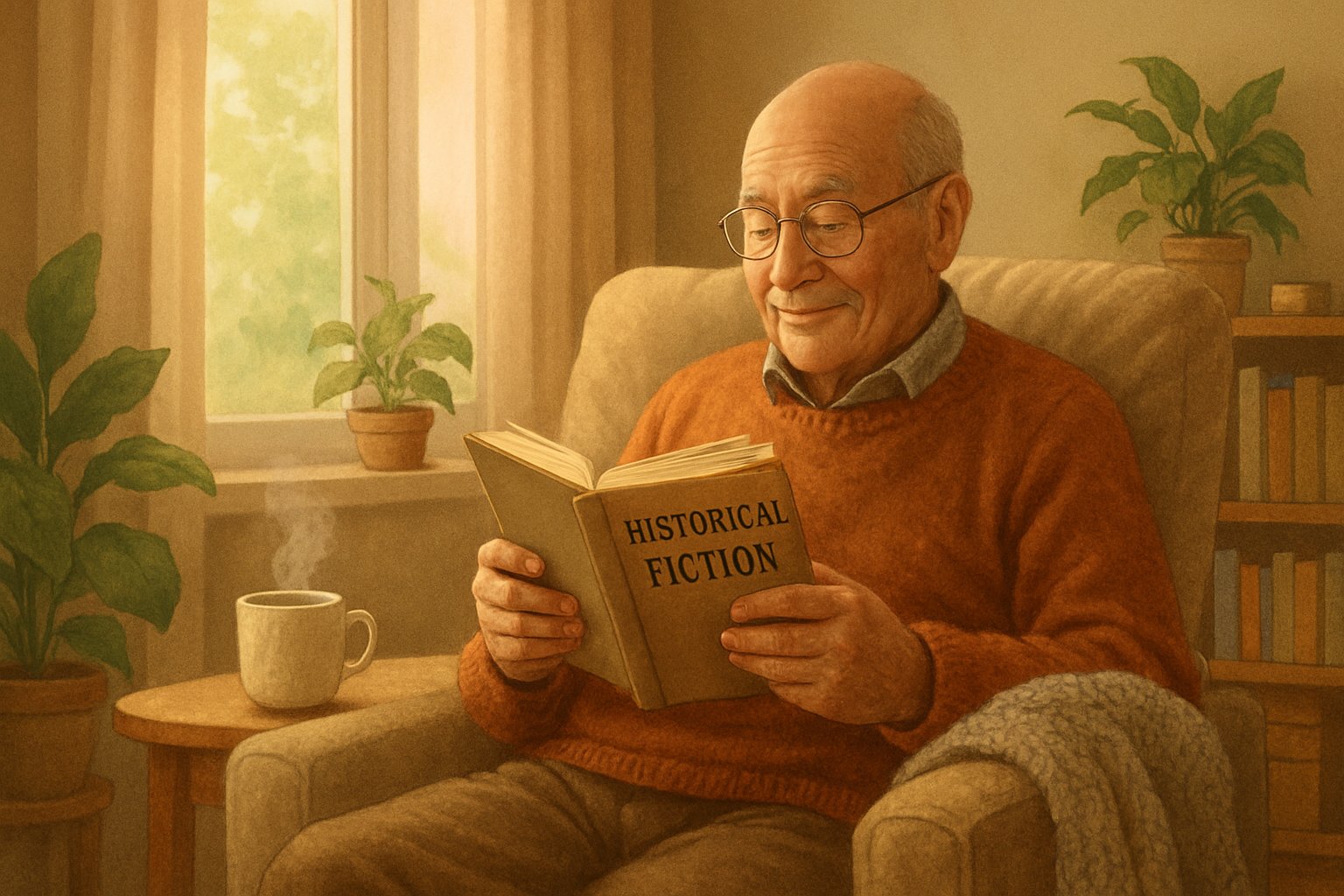
Reading historical fiction allows you to travel to different times and places without leaving your home. It offers a unique blend of storytelling and history that can engage your mind and provide a mental break from daily stress.
This genre encourages relaxation by drawing you into well-crafted narratives set in past eras. While you follow characters through their experiences, your heart rate can slow, and muscles may relax.
Engaging with historical fiction also stimulates your imagination and curiosity about history. It can educate you subtly while giving your brain a rest from modern worries.
For retirees, this hobby fits well into a calm routine. You can enjoy it at your own pace, making it a quiet, enriching way to unwind.
Choosing books that interest you or join a book club focused on historical fiction to add social interaction. This can help reduce stress further by fostering community and shared discussion.
26. Fishing by a lake or river
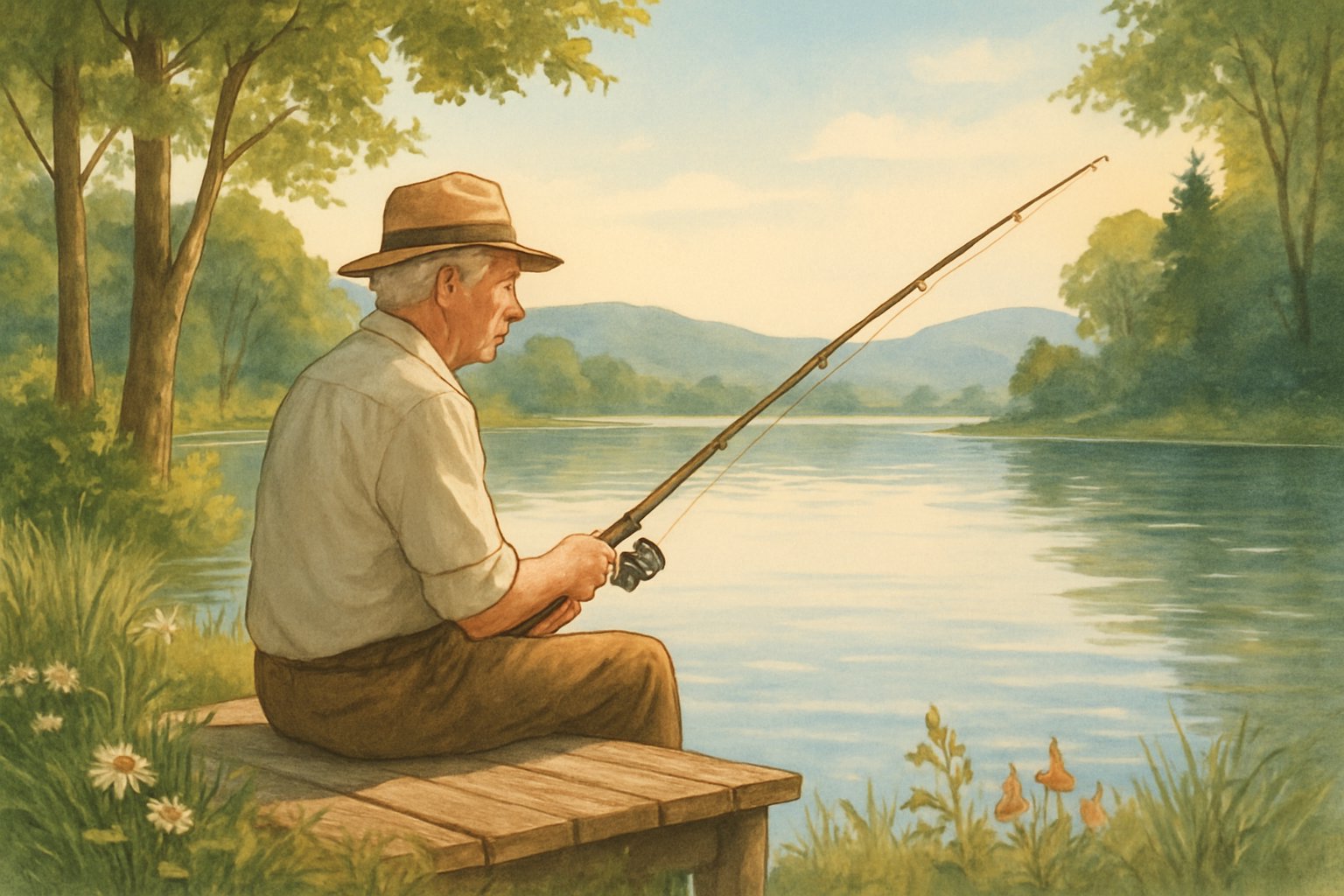
Fishing by a lake or river allows you to connect with nature in a peaceful setting. The calm water and gentle surroundings create an atmosphere conducive to relaxation and stress reduction.
This hobby involves light physical activity, such as casting and reeling in, which can help maintain your mobility without strain. It also encourages deep, rhythmic breathing that promotes calmness.
You have the option to fish quietly by yourself or socialize with others. Many retirees find that fishing trips offer a balance between solitude and friendly interaction.
The natural environment supports mindfulness, helping you focus on the present moment instead of daily worries. Being near water has been shown to lower anxiety and improve overall mental well-being.
Fishing is budget-friendly and accessible, requiring minimal equipment to begin. Whether you choose a serene lake or a flowing river, this hobby can provide a consistent source of relaxation and enjoyment in your retirement.
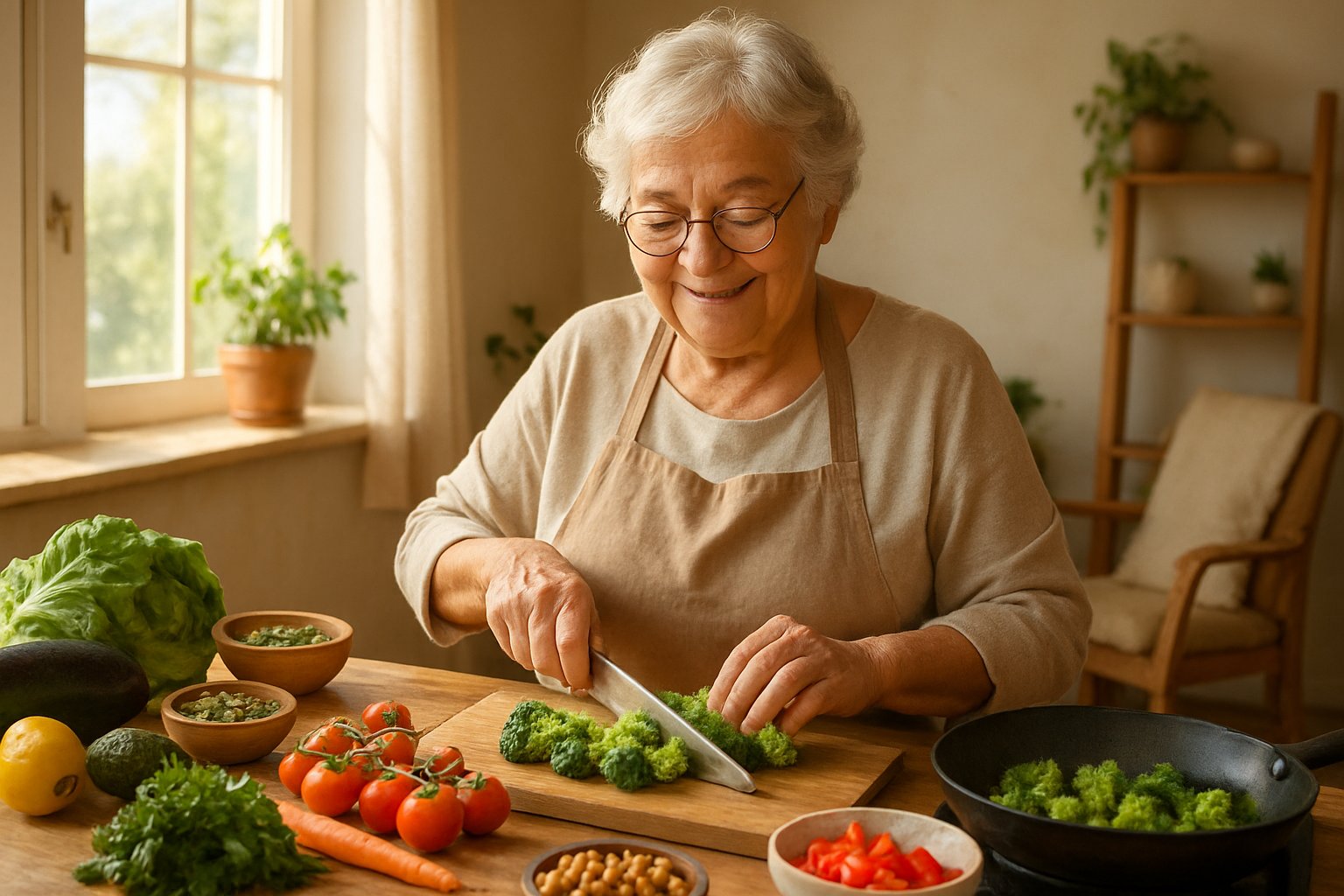
25. Cooking new healthy recipes
🔥 Would you like to save this?
Exploring new healthy recipes can be a rewarding hobby that supports both your mental and physical well-being. You get to enjoy the process of creating meals that nourish your body while developing your culinary skills.
Cooking at your own pace allows you to focus on ingredients that fit your dietary needs. Trying different cuisines or adapting traditional dishes keeps the experience fresh and engaging.
This hobby also brings a sense of accomplishment, especially when you prepare meals that taste good and promote health. It can help you stay active by involving light movement such as chopping, stirring, and baking.
By focusing on simple, nutritious recipes, you reduce kitchen stress and free up more time to relax or enjoy other activities. Cooking new healthy meals can be both a practical and enjoyable way to care for yourself during retirement.
24. Joining a community choir

Joining a community choir offers a relaxing way to connect with others while engaging your mind. Singing in a group encourages mental focus and helps reduce stress by providing both creative expression and social interaction.
You can benefit physically as well. Singing improves lung capacity and breathing control, which supports overall health. The act of singing releases endorphins, helping to lift your mood naturally.
Being part of a choir also builds a sense of belonging. It creates opportunities to meet new people and share a common goal, which reduces feelings of loneliness often experienced during retirement.
This hobby fits well into a retirement lifestyle because practices and performances are usually structured but not overly demanding. It allows you to enjoy music, learn new skills, and maintain an active social life simultaneously.
If you appreciate music and want a calm, enjoyable way to relieve stress, joining a community choir could be a great choice. You can develop your voice while supporting your mental and emotional wellbeing in a friendly environment.
23. Light stretching exercises… with friends
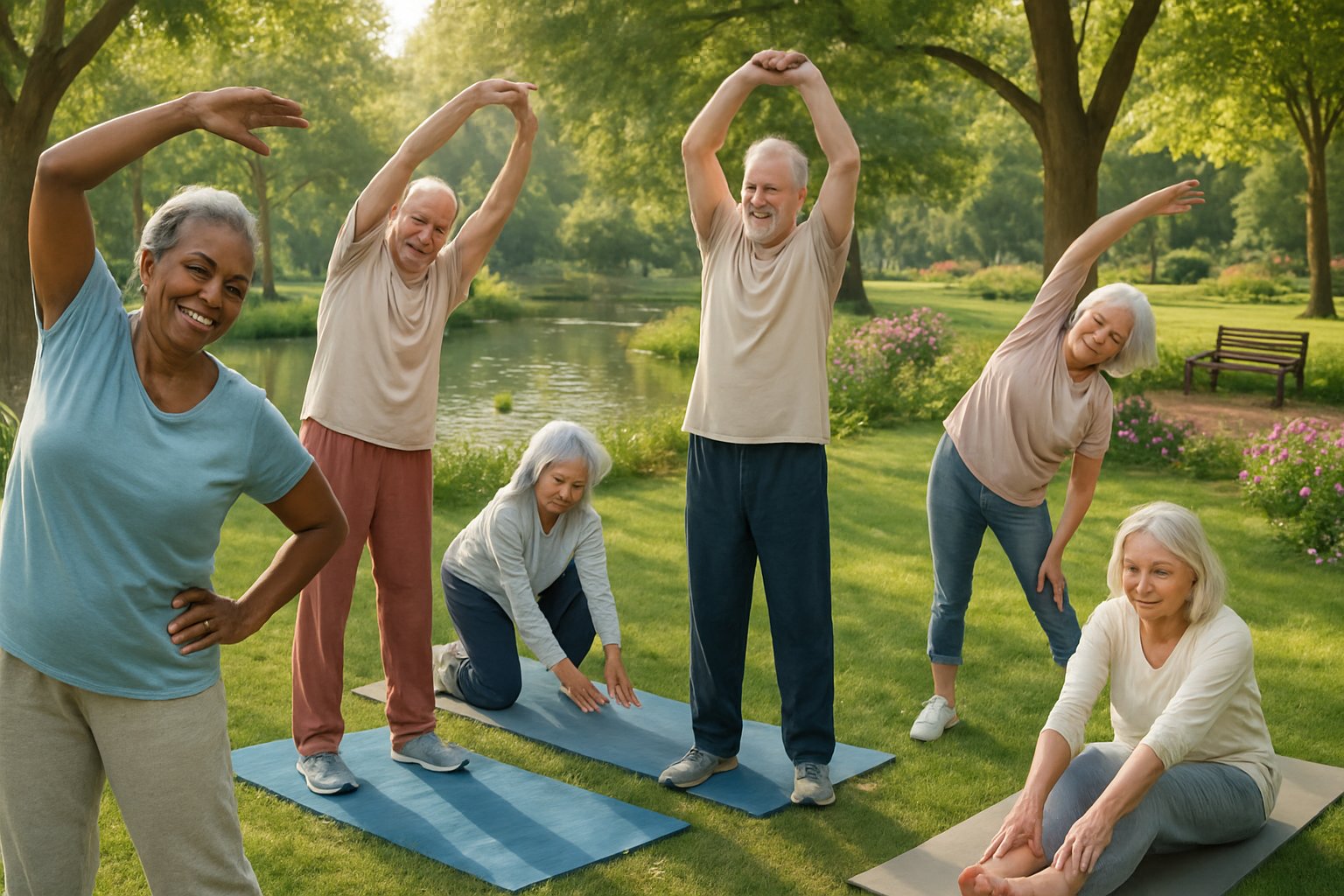
Light stretching exercises help maintain your flexibility and reduce muscle stiffness. They are simple to perform and do not require any special equipment, making them ideal for daily practice at home.
These exercises improve your joint mobility and balance, which are important as you age. You can start slowly and increase your range of motion without pushing yourself to discomfort.
Incorporating deep breathing during stretching enhances relaxation and reduces stress. This combination supports both your physical well-being and mental calmness.
Regular light stretching can also improve your posture and reduce tension in your muscles. It’s a gentle way to stay active even if strenuous activities are not an option for you.
22. Creating scrapbook albums
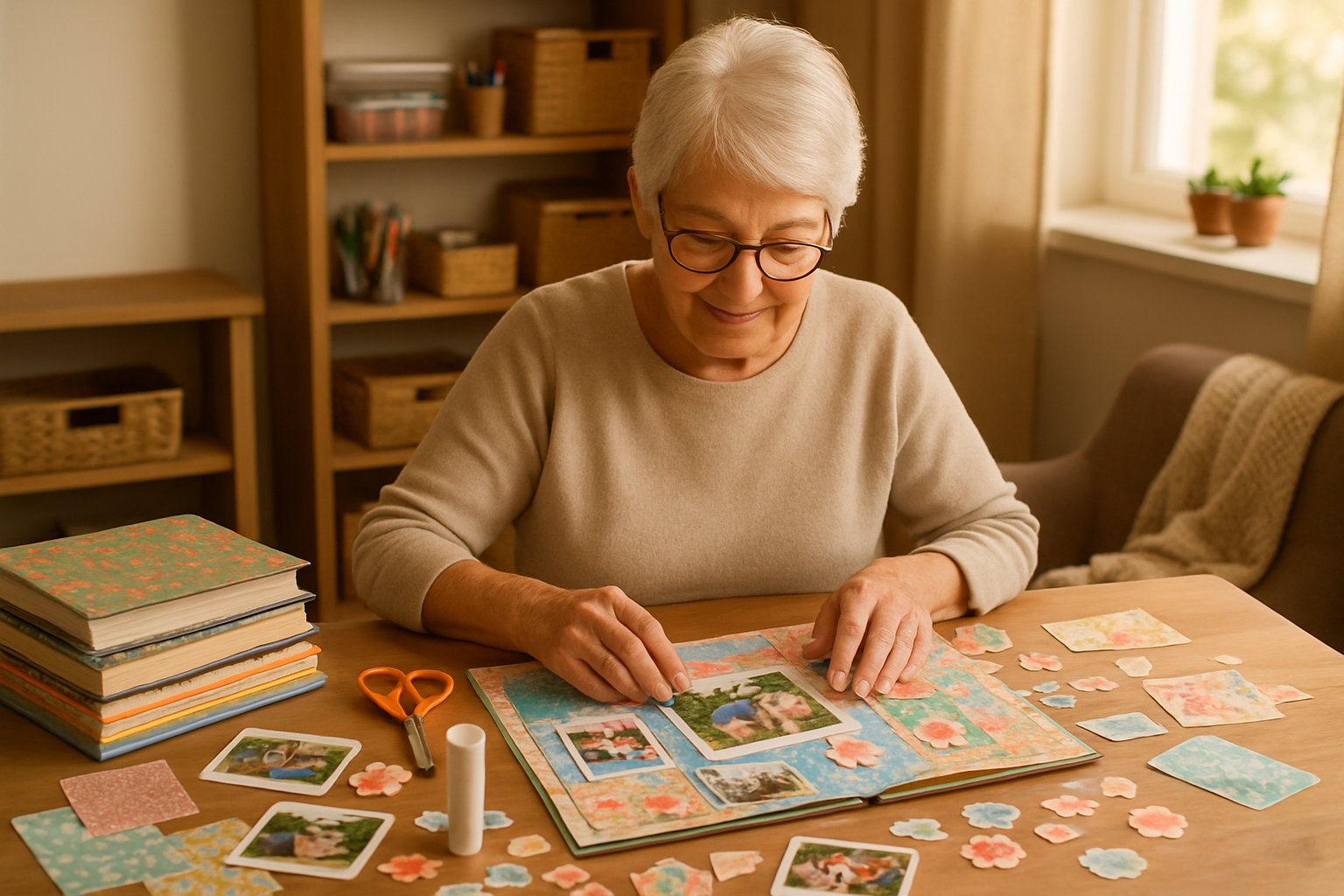
Creating scrapbook albums allows you to organize and preserve your memories in a tactile, creative way. Using photos, notes, and mementos, you can construct visual stories that reflect your life experiences.
This hobby engages both your mind and hands, helping reduce stress through focused, mindful activity. It also provides a chance to improve communication skills by recalling and sharing stories behind your photos.
Working on scrapbooks can be a social activity if you choose to join groups or work with family members. This interaction helps combat loneliness and connects you with others who share similar interests.
Scrapbooking is flexible and affordable. You can start with basic materials and gradually explore more specialized techniques as you grow more comfortable.
As a retiree, you likely have many memories accumulated over the years. Using scrapbooks, you turn these memories into personalized keepsakes that can be enjoyed by both you and your family for generations.
21. Listening to guided relaxation audio
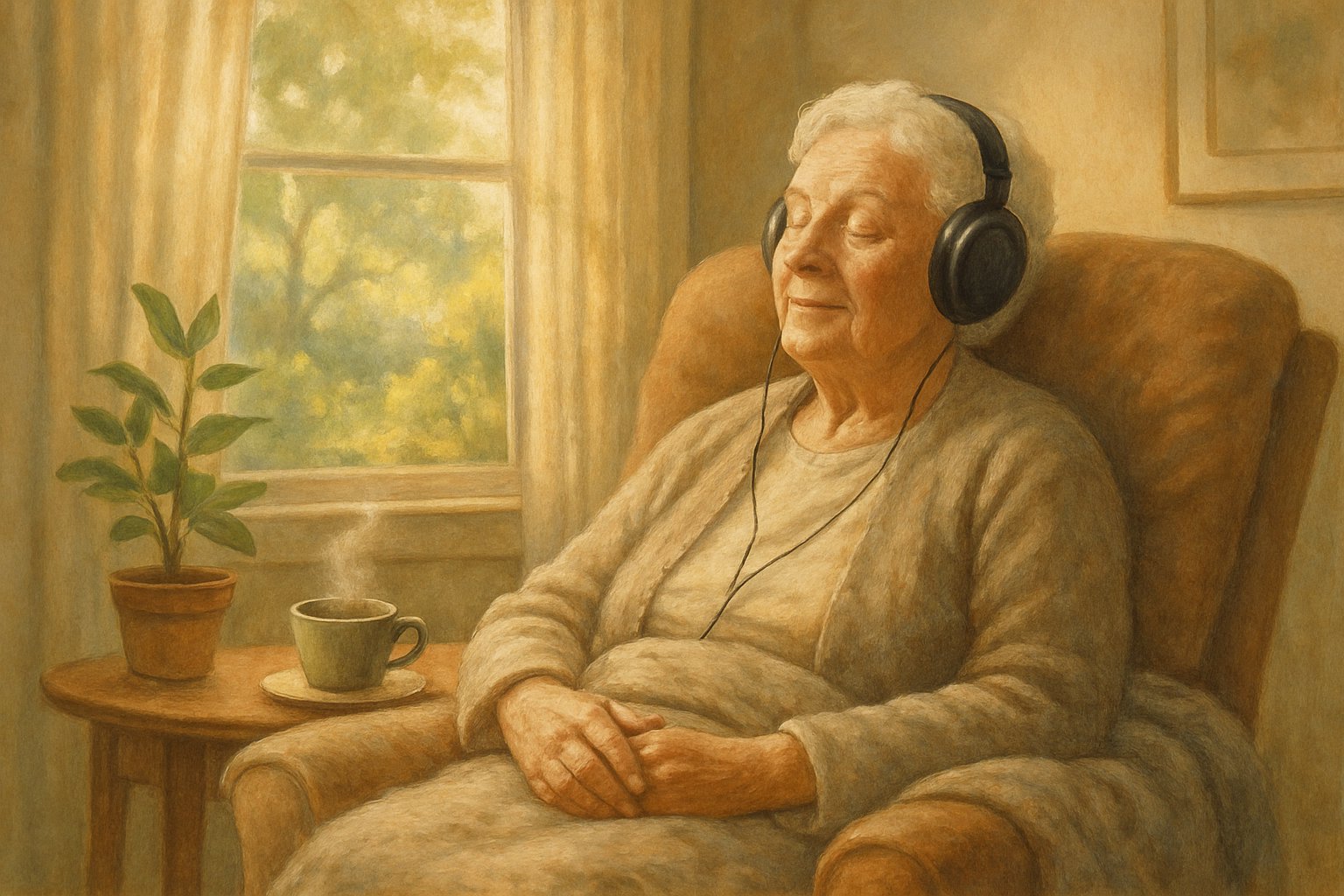
You can use guided relaxation audio to help manage stress and promote calm. These recordings often include techniques like deep breathing, progressive muscle relaxation, and visualization. They are designed to help you focus your mind and relax your body.
Listening to guided audio can be especially useful if you have trouble quieting your thoughts. It provides structure and direction, which can make relaxation easier to achieve. Many guided sessions range from 10 to 30 minutes, fitting well into your daily routine.
You can find various free or paid options online, including podcasts and downloadable tracks. Using headphones can improve your experience by minimizing distractions. This hobby is accessible and requires no special skills, making it ideal for retirees seeking simple yet effective ways to reduce stress.
20. Flower arranging
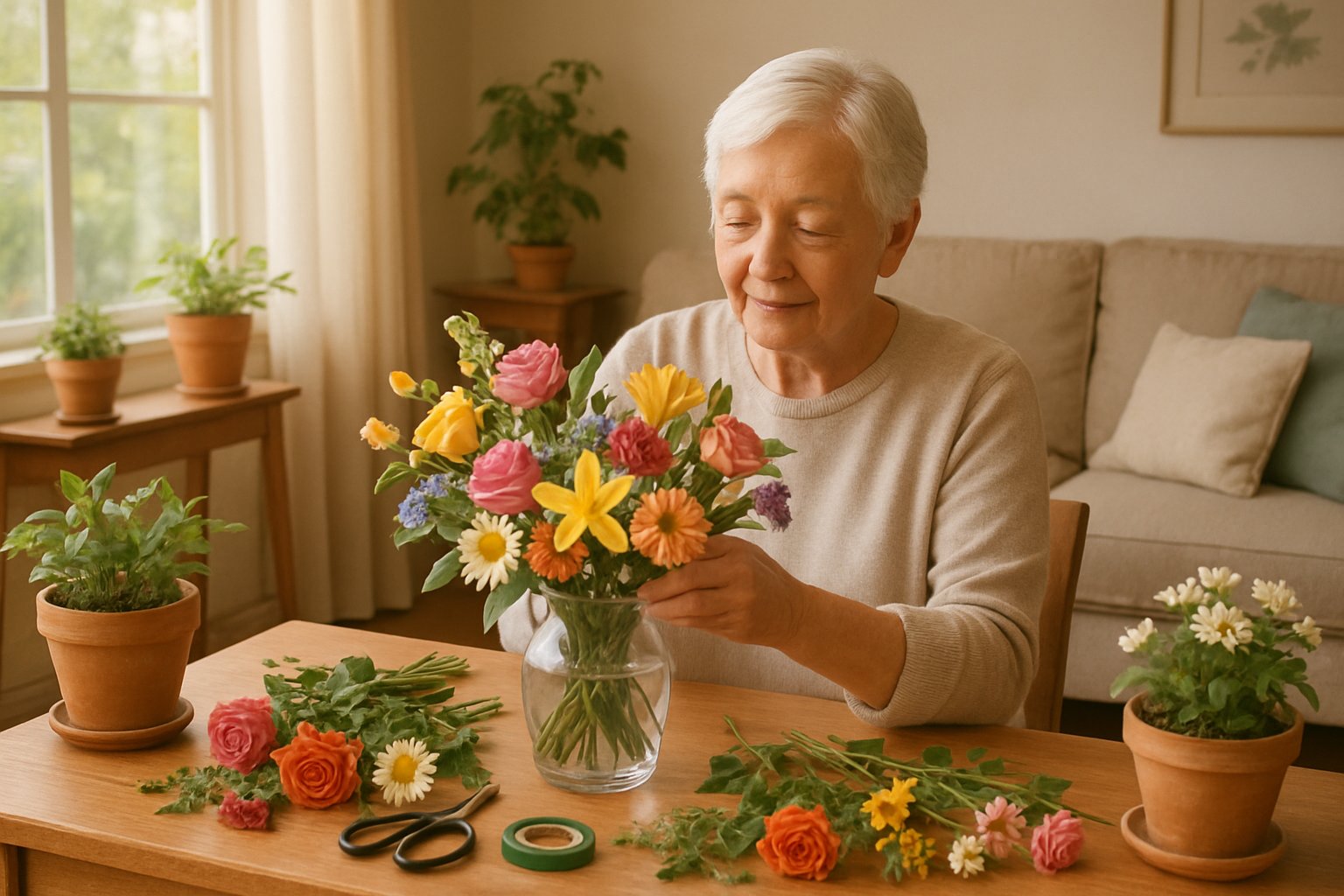
Flower arranging is a calming hobby that helps you focus on the beauty and details of nature. As you work with flowers, you can enjoy a sense of relaxation that comes from handling natural materials and creating something visually pleasing.
This activity encourages creativity by allowing you to choose colors, shapes, and styles. You can experiment with different types of flowers, foliage, and containers to make arrangements that suit your taste and environment.
Flower arranging also offers gentle physical movement, which can help you stay active without strenuous effort. It can be done indoors or outdoors, making it a flexible option regardless of your living situation.
Additionally, working with flowers can enhance your mood and reduce stress by providing a peaceful break from daily concerns. It is a simple way to bring fresh beauty into your home and promote mindfulness through a hands-on, artistic process.
19. Calligraphy practice

Calligraphy is a quiet, focused hobby that can help you manage stress through steady, deliberate movements. As you practice lettering, you engage both your mind and hands, which can improve concentration and provide a sense of calm.
You don’t need advanced skills to start. Just a few basic tools and 10 minutes a day can support creativity and relaxation. The repetitive nature of calligraphy promotes mindfulness, helping you stay present and reduce anxious thoughts.
This hobby also offers a creative outlet where you can express yourself visually. Over time, your skills can develop, giving you a rewarding way to produce personalized art or even cards for family and friends.
Joining a local class or online group can add a social element if you want. It’s a low-impact, accessible activity suitable for most retirees, providing mental engagement without physical strain.
18. Playing shuffleboard
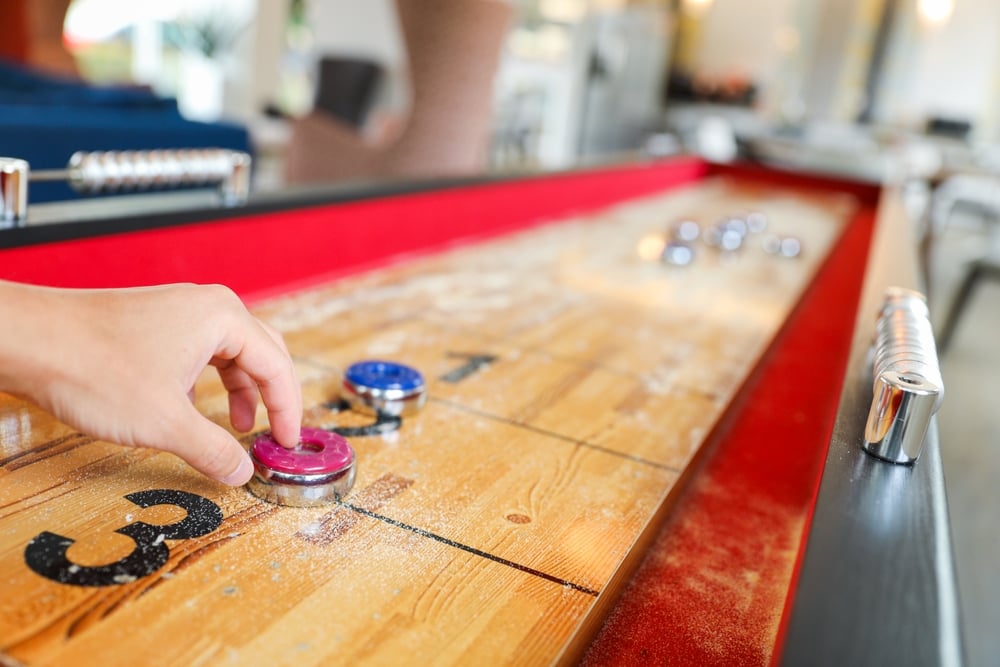
Playing shuffleboard is a low-impact activity that can help you stay physically active without putting too much strain on your joints. It is easy to learn and provides a gentle way to move and stretch.
This game also encourages social interaction, which can reduce feelings of isolation and help you build connections with others. You can join local shuffleboard leagues or play casually with friends.
Mentally, shuffleboard requires focus and strategy, which keeps your mind engaged. The combination of light physical exercise and mental stimulation makes it a well-rounded hobby to manage stress during retirement.
Shuffleboard is accessible to people of various fitness levels and can be played indoors or outdoors. This flexibility allows you to enjoy the activity year-round while adapting to your personal needs.
17. Jigsaw puzzles

🔥 Would you like to save this?
Jigsaw puzzles are a calming hobby that can help you reduce stress by focusing your mind on a simple, engaging task. The process of fitting pieces together encourages mindfulness and helps you stay present.
They also promote hand-eye coordination and visual-spatial reasoning, which can be beneficial for maintaining mental sharpness. You can work on puzzles alone or enjoy them with friends and family, making them a flexible and social activity.
Choosing puzzles that match your skill level keeps the challenge enjoyable without causing frustration. Completing a puzzle gives a sense of accomplishment that can boost your mood and motivation.
Puzzles come in many themes and complexity levels, so you can find ones that fit your interests. Whether you prefer large, detailed images or smaller, easier puzzles, this hobby can be adapted to your needs.
16. Swimming in community pools
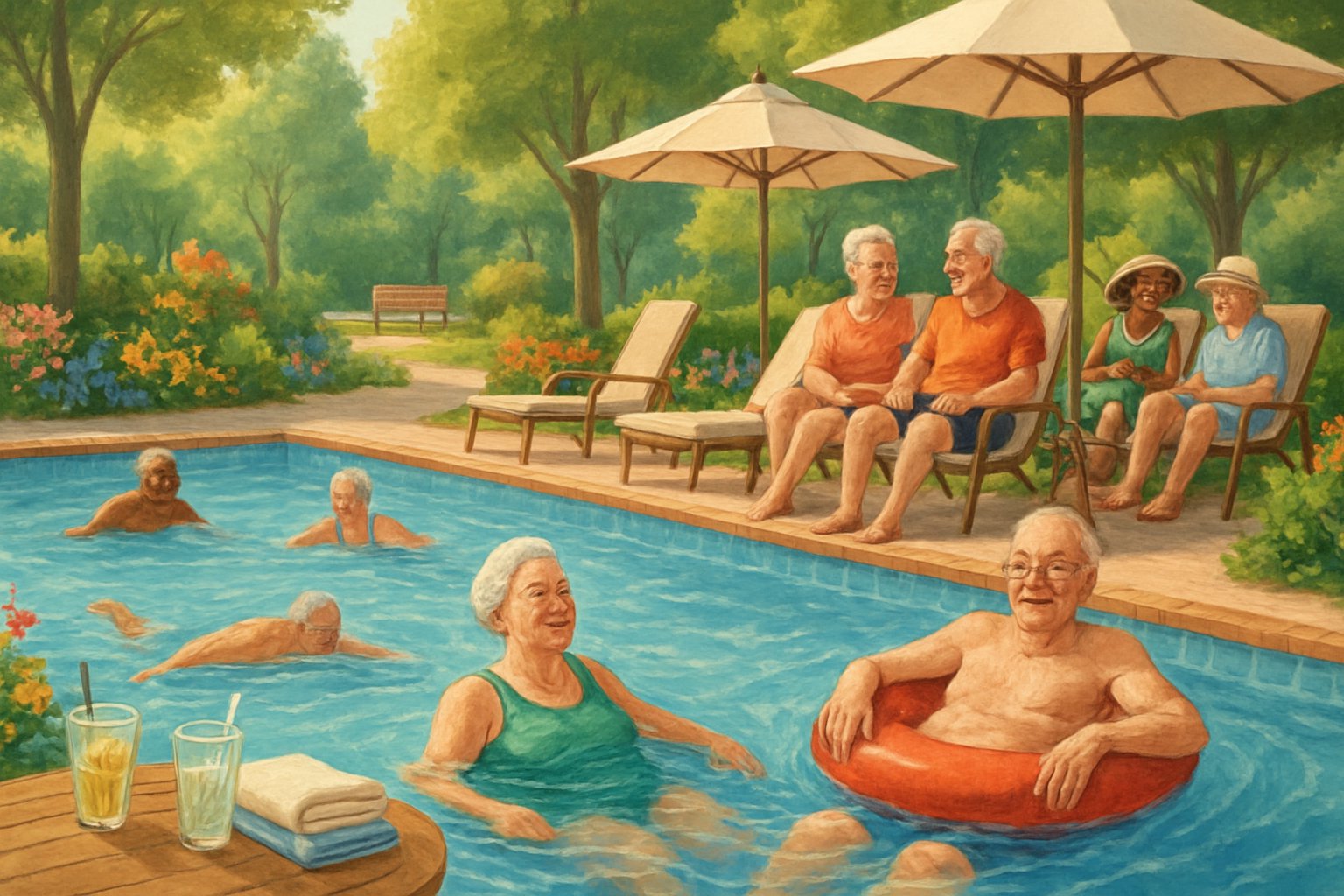
Swimming is a low-impact exercise that can benefit your body and mind. It provides a full-body workout, helping to improve cardiovascular health and muscle strength without putting strain on your joints.
Many community pools offer senior swim times or water aerobics classes tailored to your needs. These options can help you stay active while enjoying social interactions with others in a relaxed environment.
Being in the water also promotes mindfulness. The soothing sensation of swimming can help reduce stress and lower blood pressure by calming your nervous system.
Whether you swim laps or join a class, this hobby encourages regular movement. It supports both your physical health and mental well-being, making it a practical and enjoyable activity during retirement.
If you prefer, some facilities also have swimming clubs where you can connect with peers and receive guidance, enhancing your experience and motivation.
15. Aromatherapy with essential oils
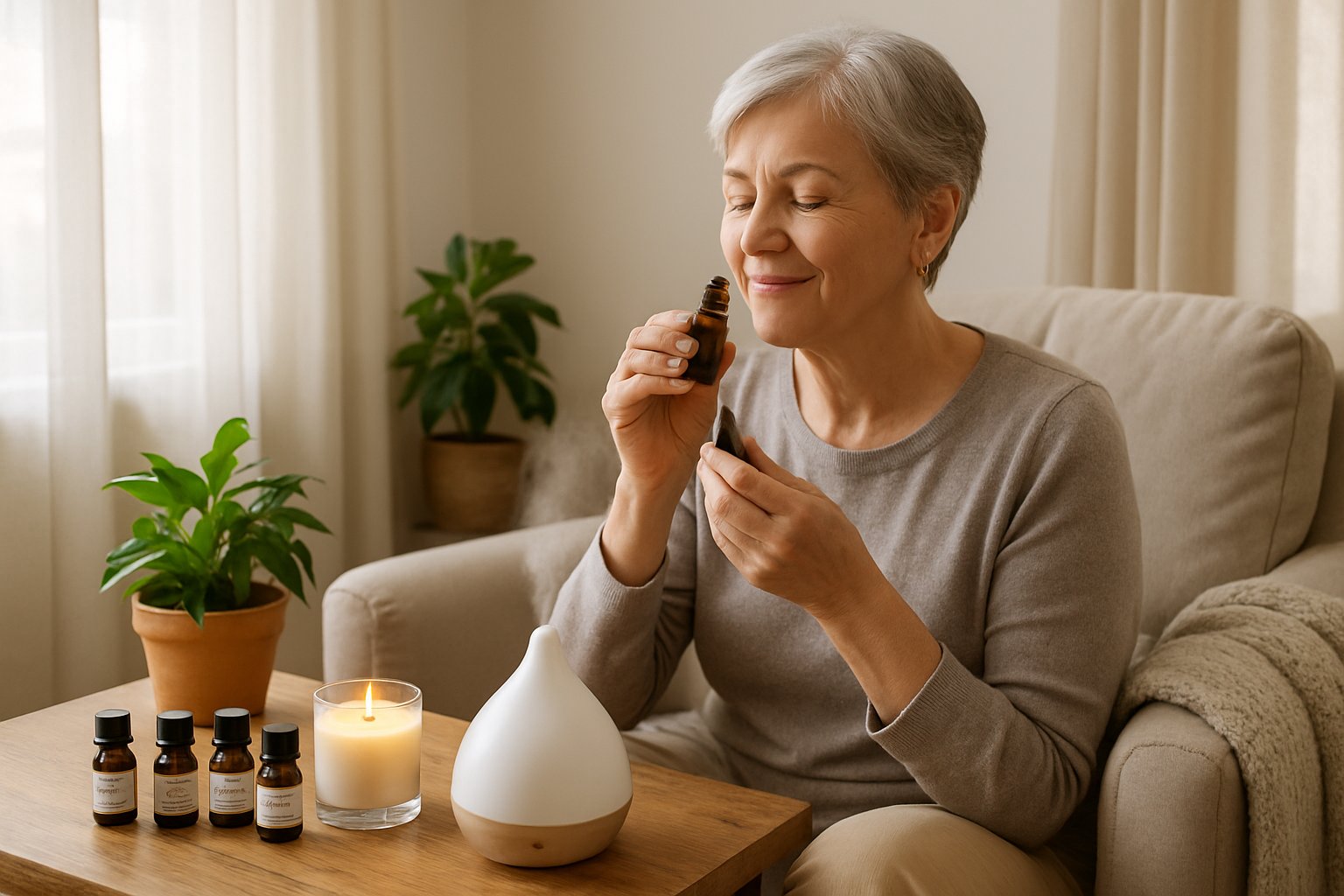
Aromatherapy uses plant-based essential oils to support relaxation and reduce stress. When you inhale these scents, they interact with your brain’s limbic system, which helps regulate emotions and memory.
You can use essential oils in several ways, such as diffusing them in your living space or adding a few drops to a warm bath. This gentle practice can create a calming environment that soothes your nervous system.
Some oils, like lavender and chamomile, are well-known for their relaxing effects. Using these may help promote a sense of calm and improve your mood during stressful times.
Aromatherapy can also be combined with massage, enhancing the benefits through touch and scent. This holistic approach helps reduce muscle tension and supports a restful state.
While aromatherapy can be a helpful addition to your self-care routine, it should not replace any medical treatment you may need. It works best as a complementary activity to improve your overall well-being.
14. Photographing natural landscapes
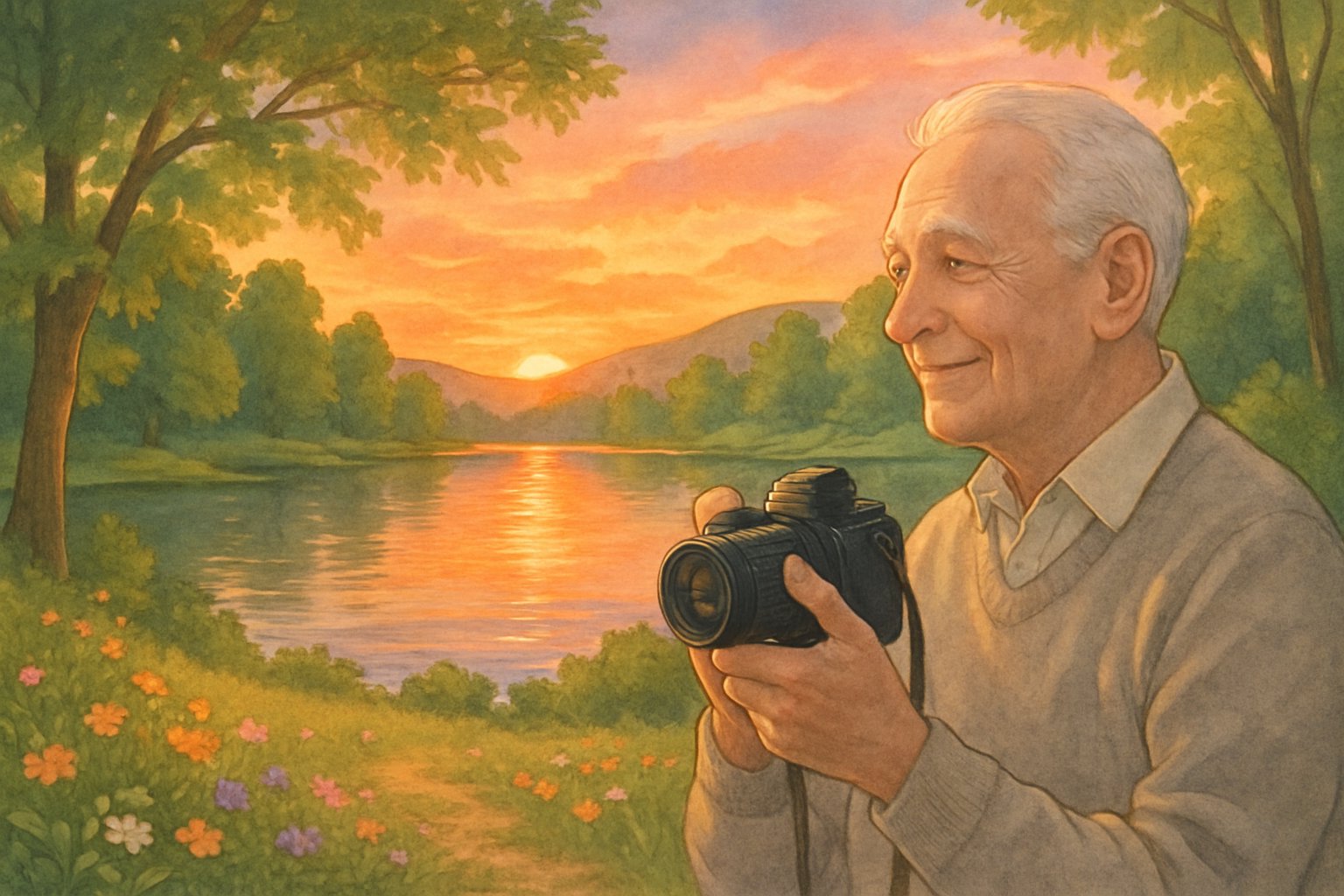
Photography of natural landscapes offers a calm and engaging way to connect with the outdoors. You can focus on capturing scenes like forests, mountains, lakes, or sunsets, which encourages mindfulness and presence.
This hobby helps you stay active as you explore different locations. Walking to new spots or hiking trails to find the perfect view supports gentle physical movement.
You also develop a creative eye, learning to observe light, color, and composition. These skills grow over time and can enhance your appreciation of nature’s details.
In addition, photography can provide a sense of accomplishment. Each finished photo is a personal achievement that you can share with friends or keep as a visual journal of your experiences.
Engaging in natural landscape photography can reduce stress by giving you a peaceful focus away from daily worries. It combines relaxation, mental stimulation, and mild physical activity in one enjoyable pursuit.
13. Volunteering at local shelters

Volunteering at local shelters gives you a chance to help both animals and people in need. Whether it’s an animal rescue or a homeless shelter, your time and effort can make a tangible difference.
This activity provides a structured way to stay active and connected with your community. You can use skills developed over your career or learn new ones while supporting important causes.
The physical aspect of caring for animals or assisting at a shelter can also contribute to your overall health. It encourages regular movement and social interaction, both beneficial for reducing stress.
Many shelters offer flexible volunteer schedules, allowing you to fit this hobby into your routine easily. This flexibility also lets you choose how involved you want to be, based on your interests and energy levels.
12. Writing poetry
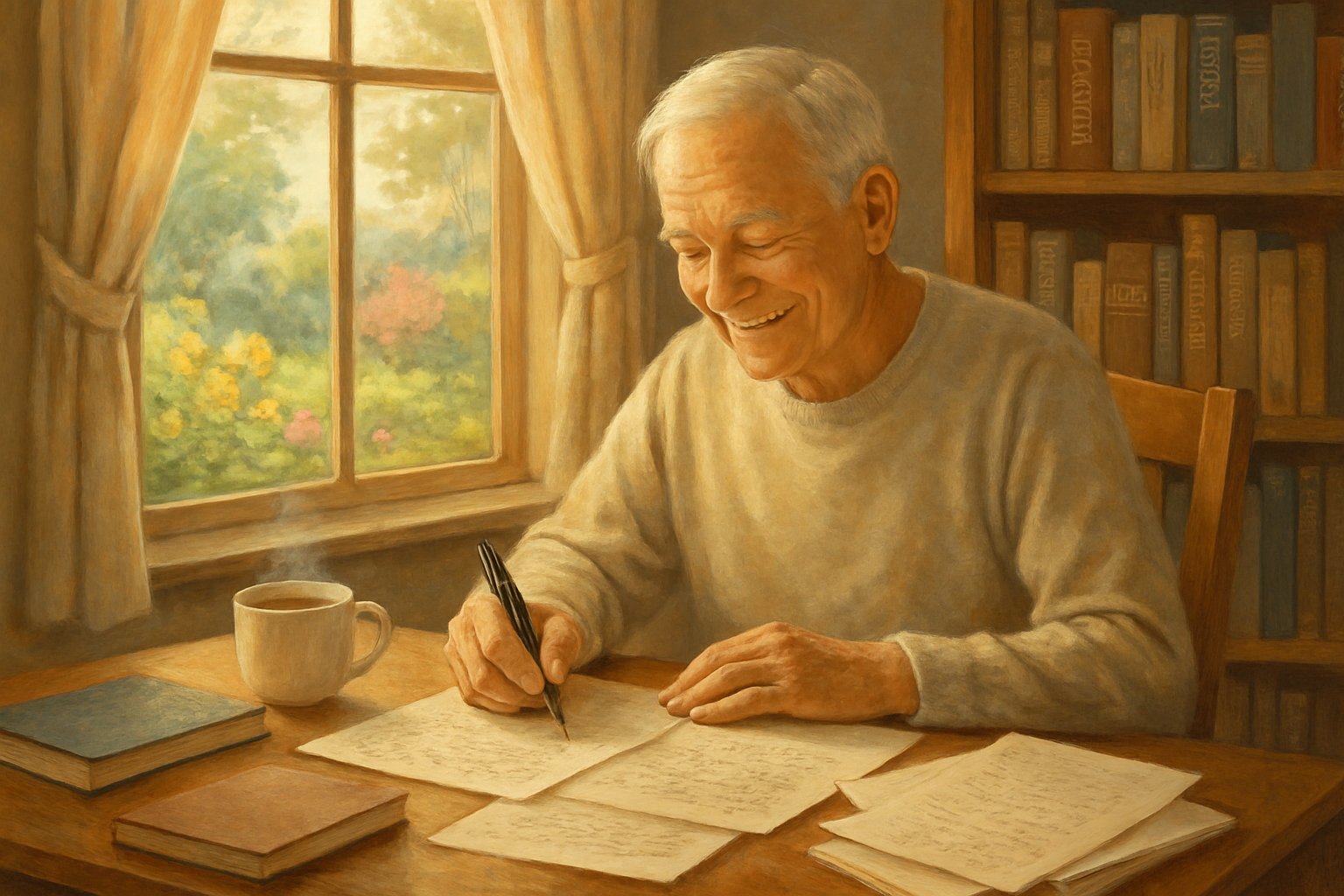
Writing poetry allows you to express emotions and thoughts in a unique and personal way. It can help you process your experiences, unlock memories, and explore your creativity.
This hobby does not require any special equipment—just paper and a pen or a digital device. You can write at your own pace, making it a flexible and low-pressure activity.
Engaging in poetry can provide mental stimulation and a sense of accomplishment. It encourages you to focus, which may reduce stress and anxiety by diverting attention from daily worries.
You also have the option to share your poems with a writing community, either online or in person. This interaction can offer social connection and constructive feedback, adding value to your creative efforts.
11. Watercolor painting
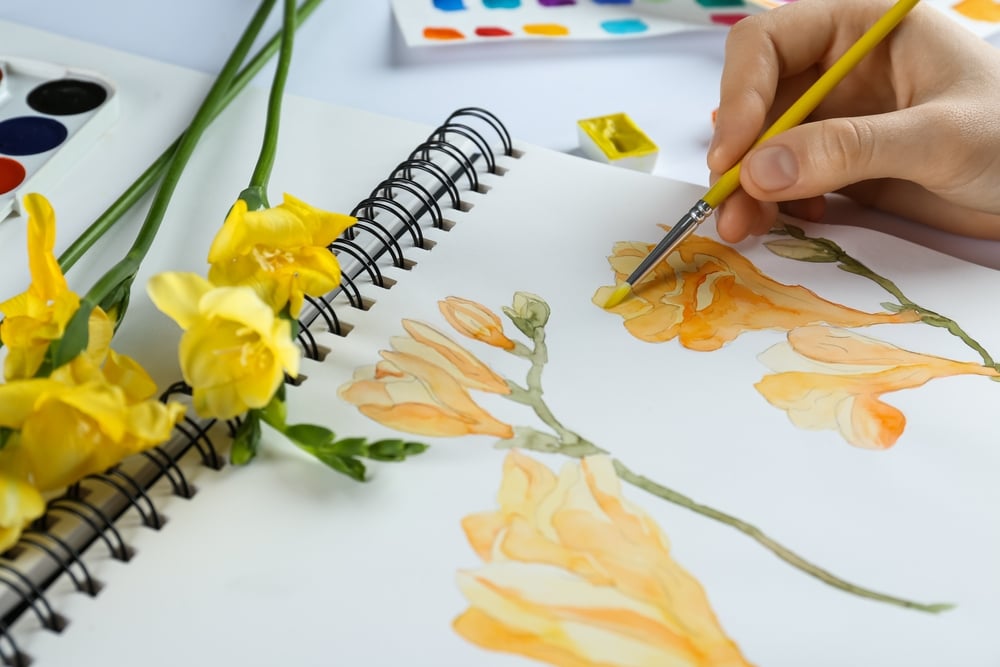
Watercolor painting is a relaxing hobby that can help you reduce stress. The gentle brush movements promote dexterity and create a meditative effect, which can calm your mind.
You don’t need formal training to start. This hobby is accessible, affordable, and allows you to explore your creativity at your own pace. Even simple projects can provide a sense of accomplishment.
Watercolor painting also offers social opportunities. Joining local classes or groups can connect you with others who share your interest, making it a great way to build friendships.
This activity engages both your mind and hands, which may improve focus and cognitive function. It helps you stay mentally active while giving you a peaceful way to unwind.
Many seniors find watercolor painting therapeutic. It encourages mindfulness and provides a outlets for expression without pressure or strict rules. You can easily adapt your practice based on your comfort level and preferences.
10. Listening to classical music

Listening to classical music can help reduce stress by calming your nervous system. Slow tempos and harmonious melodies have a soothing effect, which may lower cortisol, the hormone linked to stress.
Composers like Mozart, Bach, and Vivaldi create music that balances predictability with surprise. This balance activates your brain’s reward system, releasing dopamine and improving your mood.
Incorporating classical music into your routine can also improve your focus and creativity. Pairing it with deep breathing or relaxation exercises enhances its calming effects.
This hobby offers a simple way to shift your attention away from worries. Whether you listen while resting or engaging in other activities, classical music creates a peaceful environment for your mind.
9. Walking in nature
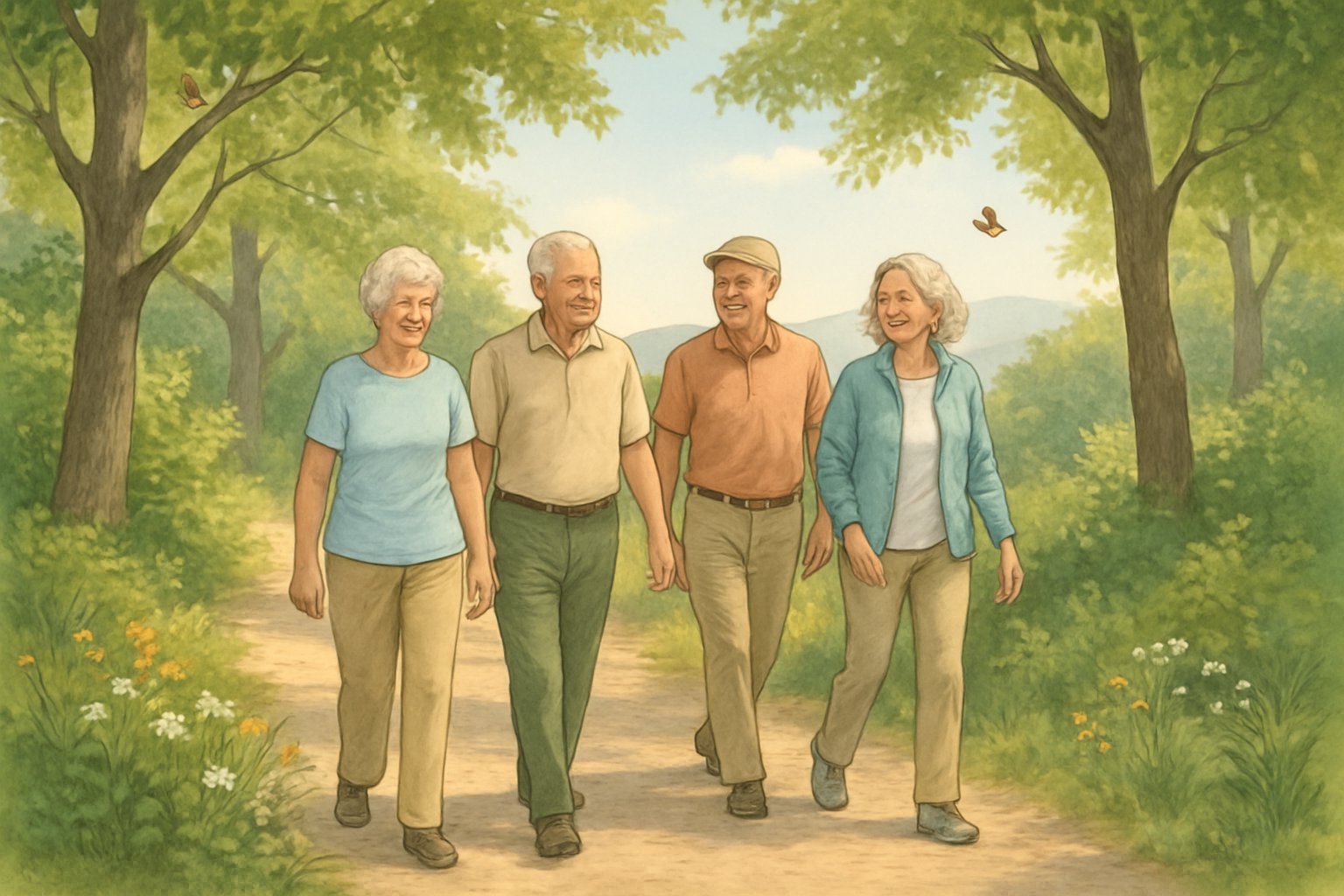
Walking on nature trails provides gentle exercise that is easy on your joints while still benefiting your cardiovascular health. You can explore local parks or nature reserves at your own pace, making it a flexible activity that fits your schedule and energy level.
Being outdoors also helps lower stress by allowing you to focus on the sights and sounds around you. This can improve your mood and give your mind a break from daily worries.
Nature trails often offer scenic views, which enhance relaxation and encourage mindfulness. The physical movement combined with mental calmness supports both your body and your mental well-being.
Regular walking can strengthen muscles and improve balance, which is important to maintain independence as you age. Investing time in nature walks is a simple way to stay active and reduce stress safely.
8. Meditation and deep breathing
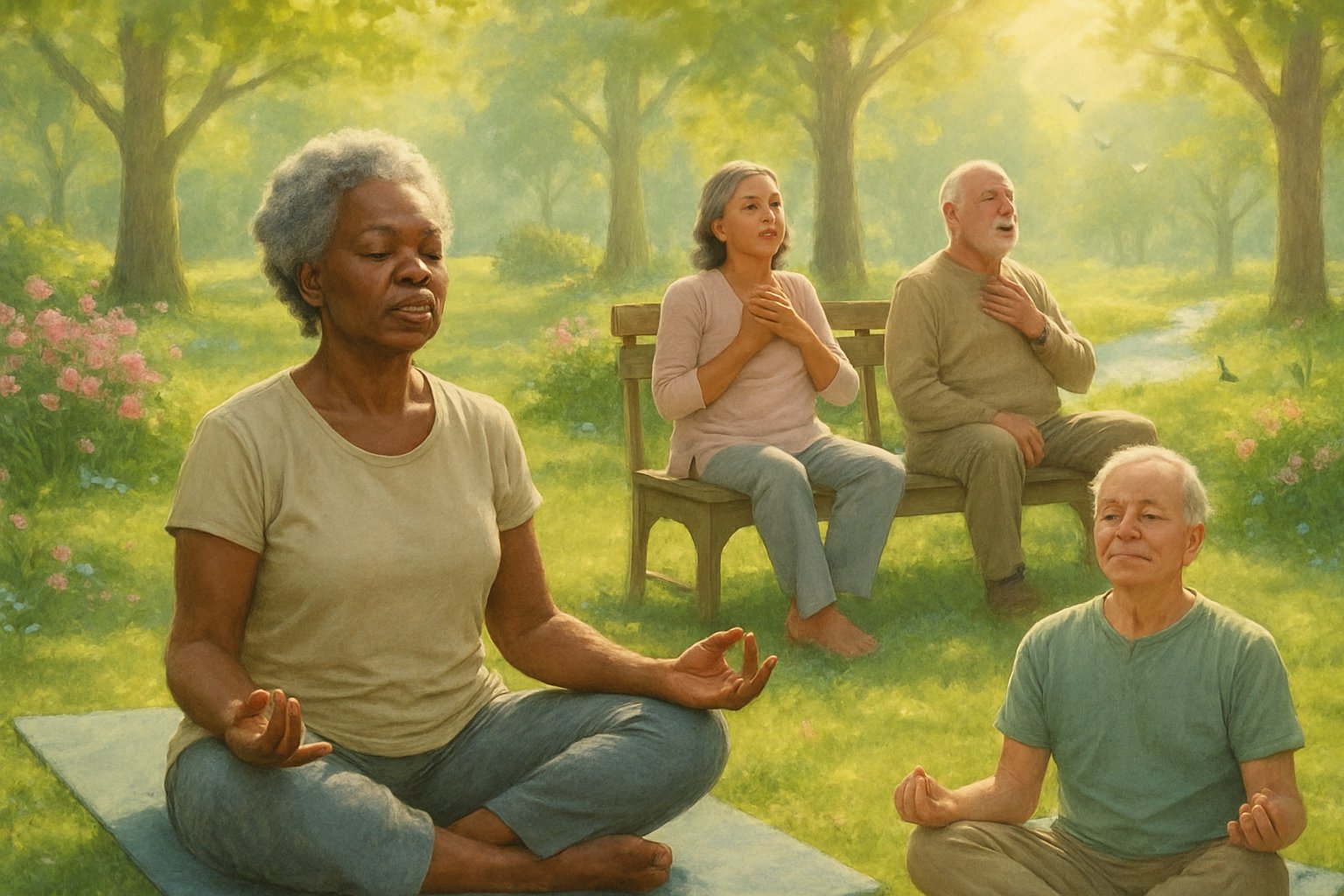
Meditation and deep breathing are simple techniques you can use to reduce stress and improve mental clarity. They require no special equipment and can be practiced anywhere, making them easy to fit into your daily routine.
By focusing your attention and slowing your breath, you help calm your nervous system. This can lower feelings of anxiety and create a sense of relaxation.
Regular practice can improve your ability to concentrate and maintain focus. It also supports emotional balance, helping you manage stress more effectively.
You might start with just a few minutes of deep breathing or guided meditation each day. Gradually, you can extend the time as you become more comfortable with the practice.
These habits can be particularly helpful for retirees looking to maintain mental well-being. Combined with other gentle activities, they support a calm and fulfilling lifestyle.
7. Puzzle solving
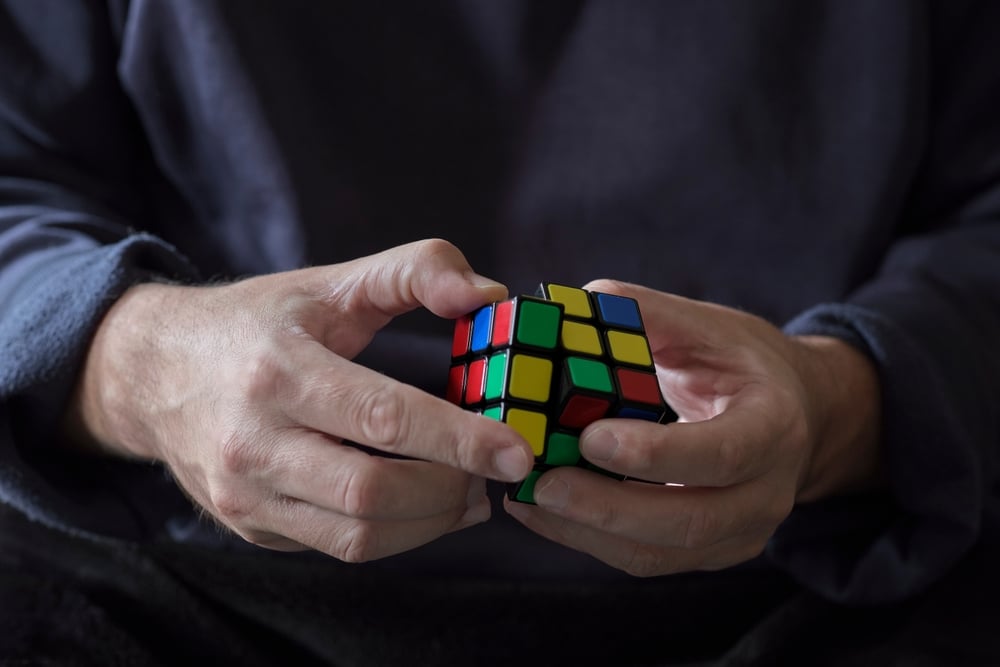
Puzzle solving offers a calm and focused activity that can help reduce stress. Whether you choose jigsaw puzzles, crosswords, or Sudoku, engaging your mind in this way promotes relaxation through concentration.
Working on puzzles can improve your problem-solving skills and hand-eye coordination. It also provides a sense of accomplishment as you complete each challenge.
You can enjoy puzzles alone or with others. Group puzzle activities offer social interaction, which can enhance feelings of connection while still promoting relaxation.
Puzzles are widely available in books, apps, and online, making them easy to access. Regularly including puzzles in your routine may contribute to maintaining mental sharpness as you age.
6. Knitting
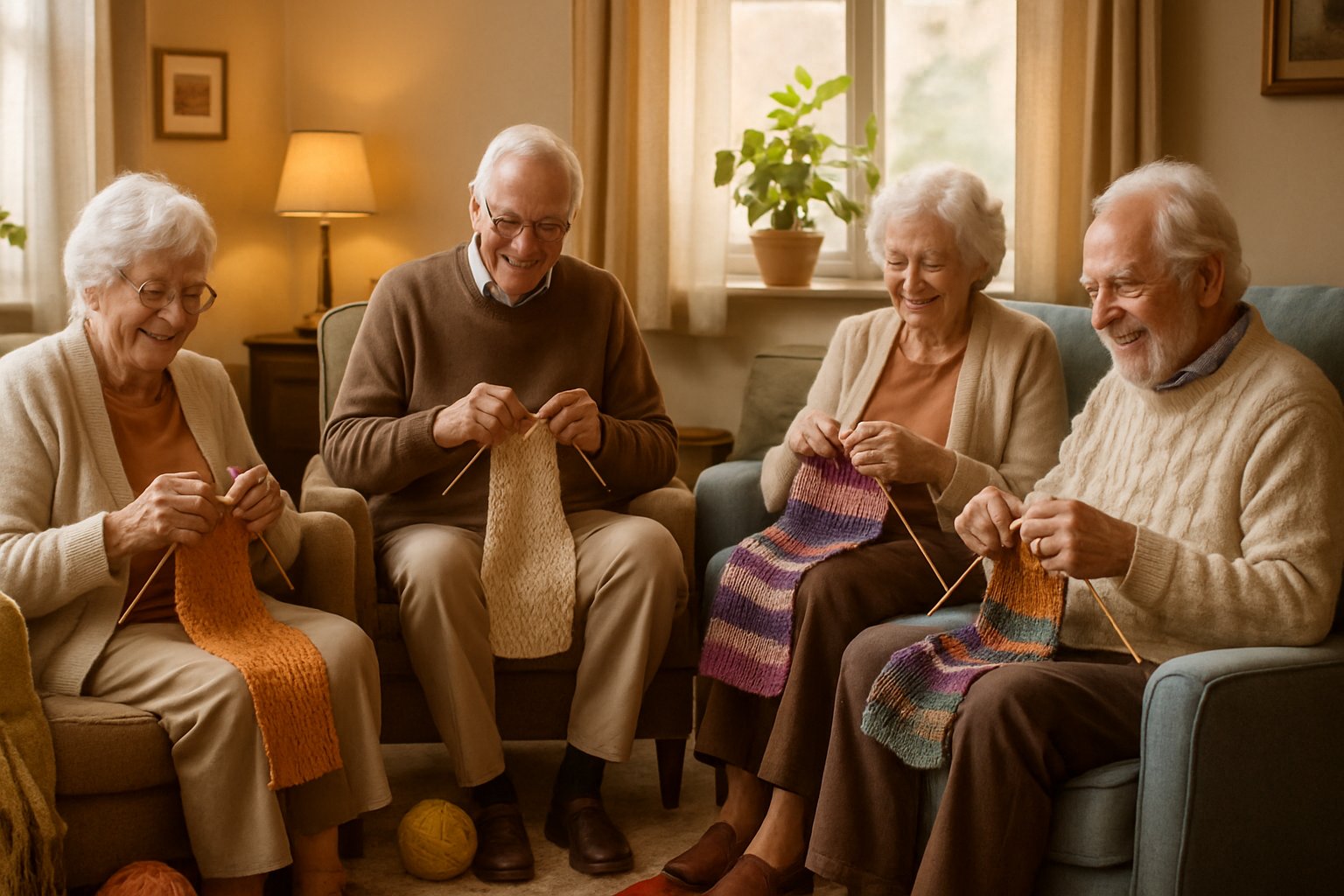
Knitting scarves or blankets offers a simple, repetitive activity that can help calm your mind. The steady rhythm of knitting motions promotes relaxation and helps reduce stress.
You don’t need advanced skills to start. Basic patterns like garter stitch scarves or chunky blankets are easy to follow and provide a satisfying sense of progress.
Creating something tangible, like a warm scarf or cozy blanket, can boost your mood. Completing projects gives you a clear goal and accomplishment, which supports mental well-being.
Knitting also encourages mindfulness by focusing your attention on the stitching. This can distract you from anxious or unwanted thoughts and encourages mental clarity.
If you prefer quicker projects, small items like dishcloths offer a similar calming effect. The key is finding repetition and simplicity in your knitting to help enhance relaxation.
5. Adult coloring books
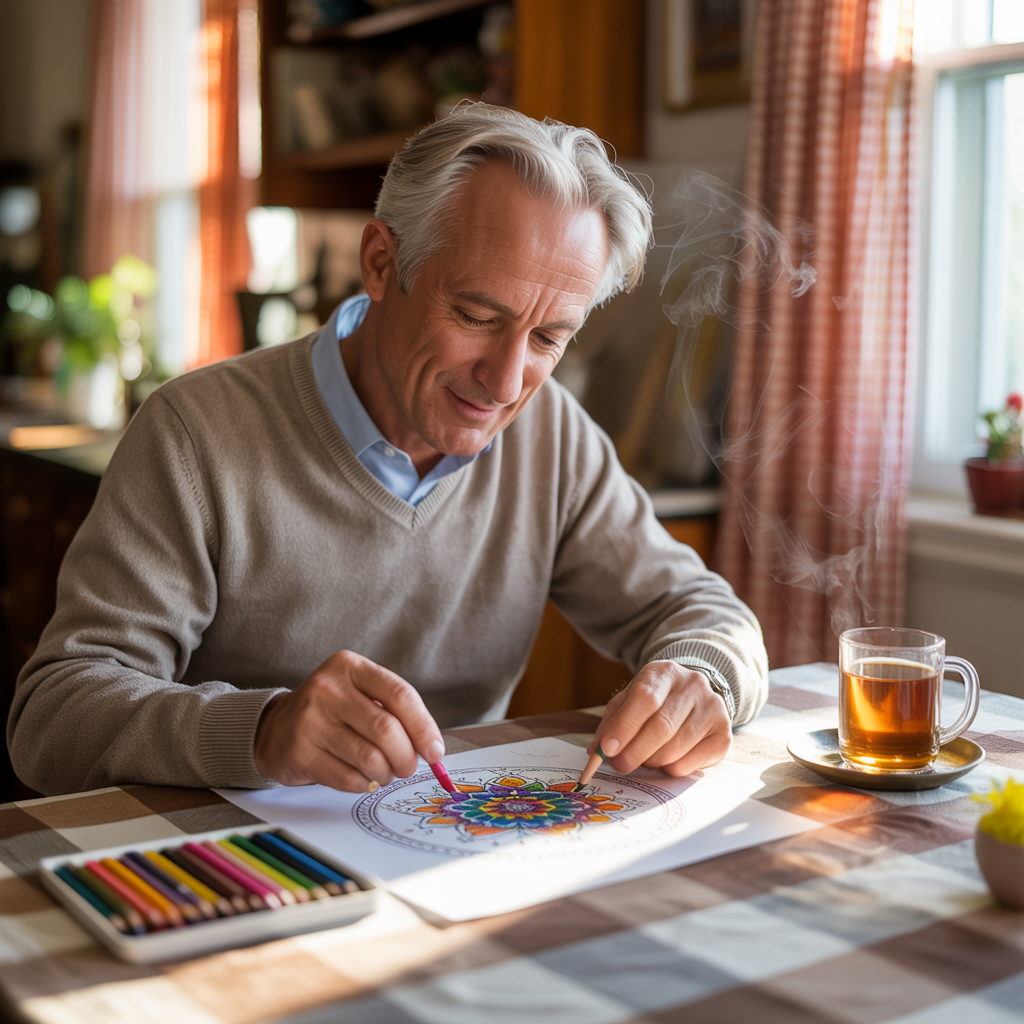
Adult coloring books offer a simple and accessible way for retirees to relax and focus their minds. As you color, your attention shifts to the present moment, helping to reduce stress and calm your thoughts.
These books often feature intricate patterns or soothing images that encourage mindfulness without pressure. You don’t need advanced art skills, making this hobby easy to start and stick with.
Using arthritis-friendly tools or visual aids can make coloring more comfortable if you have physical limitations. The repetitive motion and creativity involved can also provide a sense of accomplishment and nostalgic enjoyment.
By setting aside time to color regularly, you create a low-stakes activity that promotes mental well-being. It can be a quiet solo pastime or a social activity to share with friends or family.
4. Bird watching
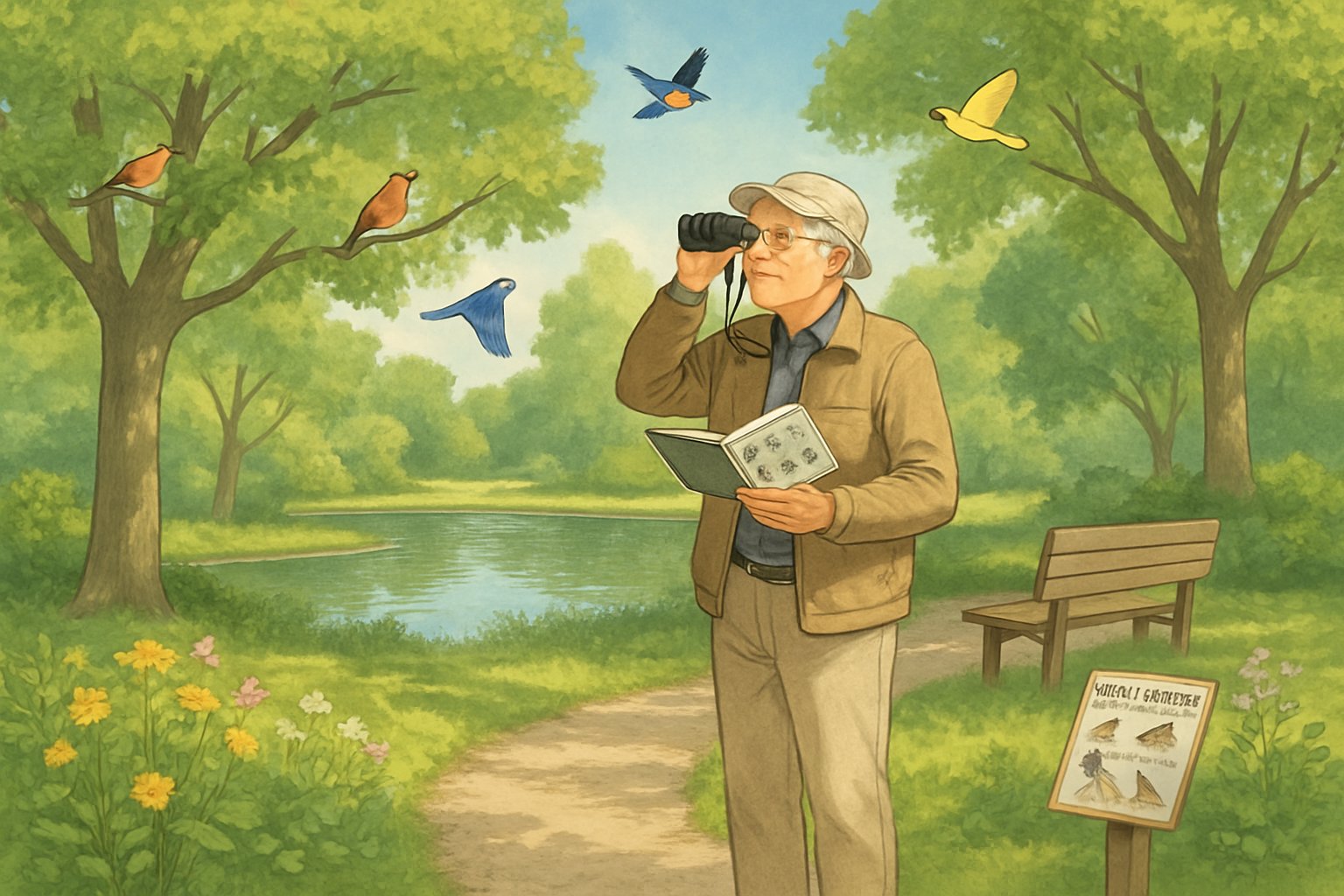
Bird watching in local parks offers a calm and accessible way for you to connect with nature. It requires minimal equipment, often just binoculars or even the naked eye, making it easy to start.
Spending time outdoors in green spaces helps reduce stress and promotes relaxation. Watching birds move through their natural habitats also gives your day structure and a sense of purpose.
This hobby encourages gentle physical activity, such as walking or standing quietly, which benefits your overall health. It also sharpens your observational skills and improves mental focus as you identify different bird species.
Joining local birdwatching groups can increase your social interaction, helping you meet others who share your interest. This social aspect can reduce feelings of isolation and support emotional well-being.
Even on days when mobility is limited, you can engage in bird watching from benches or sheltered spots, making it a flexible hobby that adapts to your needs.
3. Tai chi practice
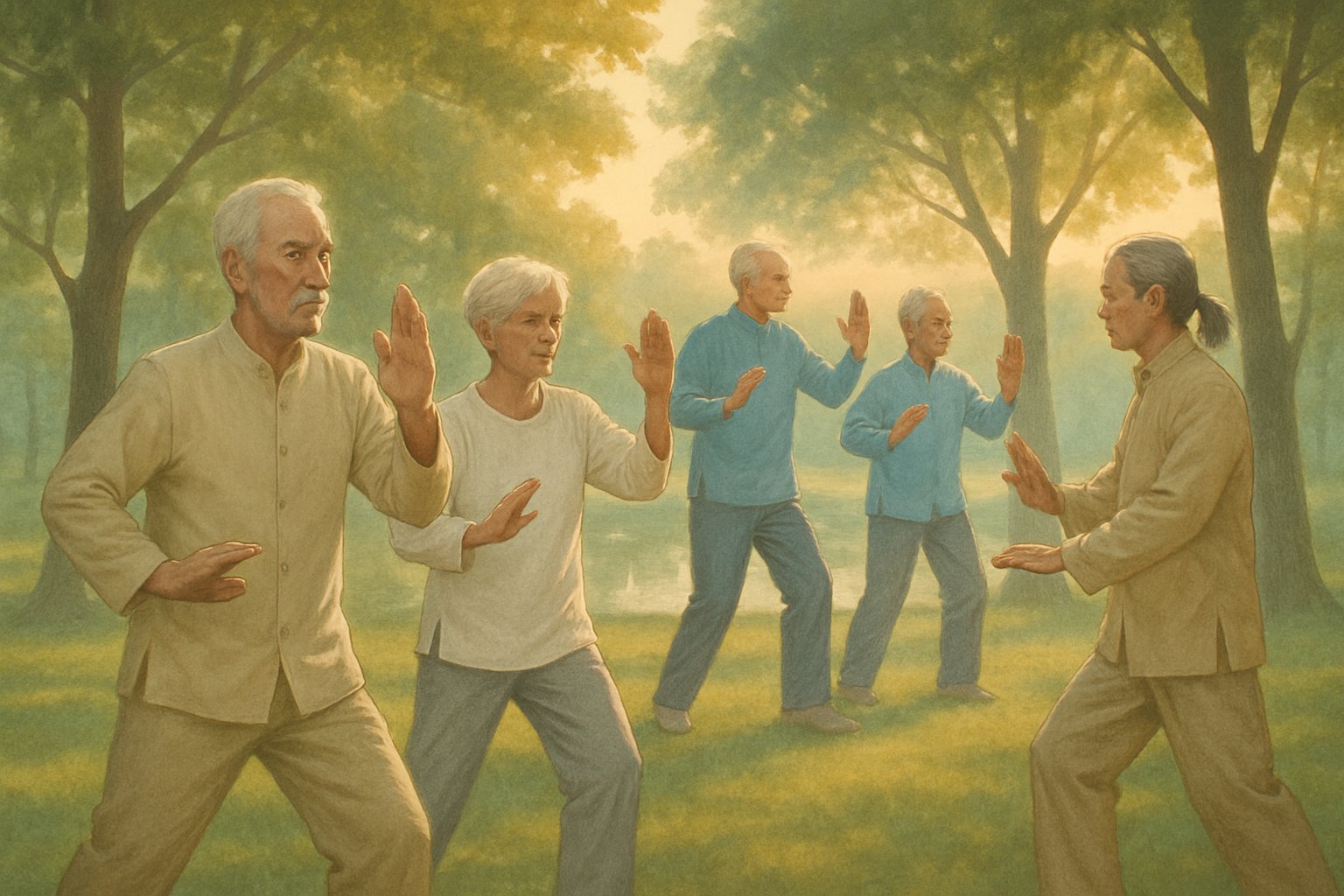
Tai chi is a gentle form of exercise that combines slow, flowing movements with deep breathing and meditation. You can practice it alone at home or join group sessions in parks or community centers.
This activity improves your balance, coordination, and flexibility without putting strain on your joints. It is especially helpful in reducing the risk of falls, which is a common concern as you get older.
The mindful aspect of tai chi helps lower stress, anxiety, and symptoms of depression. You can also benefit from better sleep quality and enhanced relaxation after regular practice.
Tai chi promotes a sense of calm and mental focus. It encourages you to stay present and breathe deeply, which supports overall mental well-being.
If you want a low-impact activity with both physical and mental benefits, tai chi offers a practical way to stay active and reduce stress during retirement.
2. Gentle yoga sessions
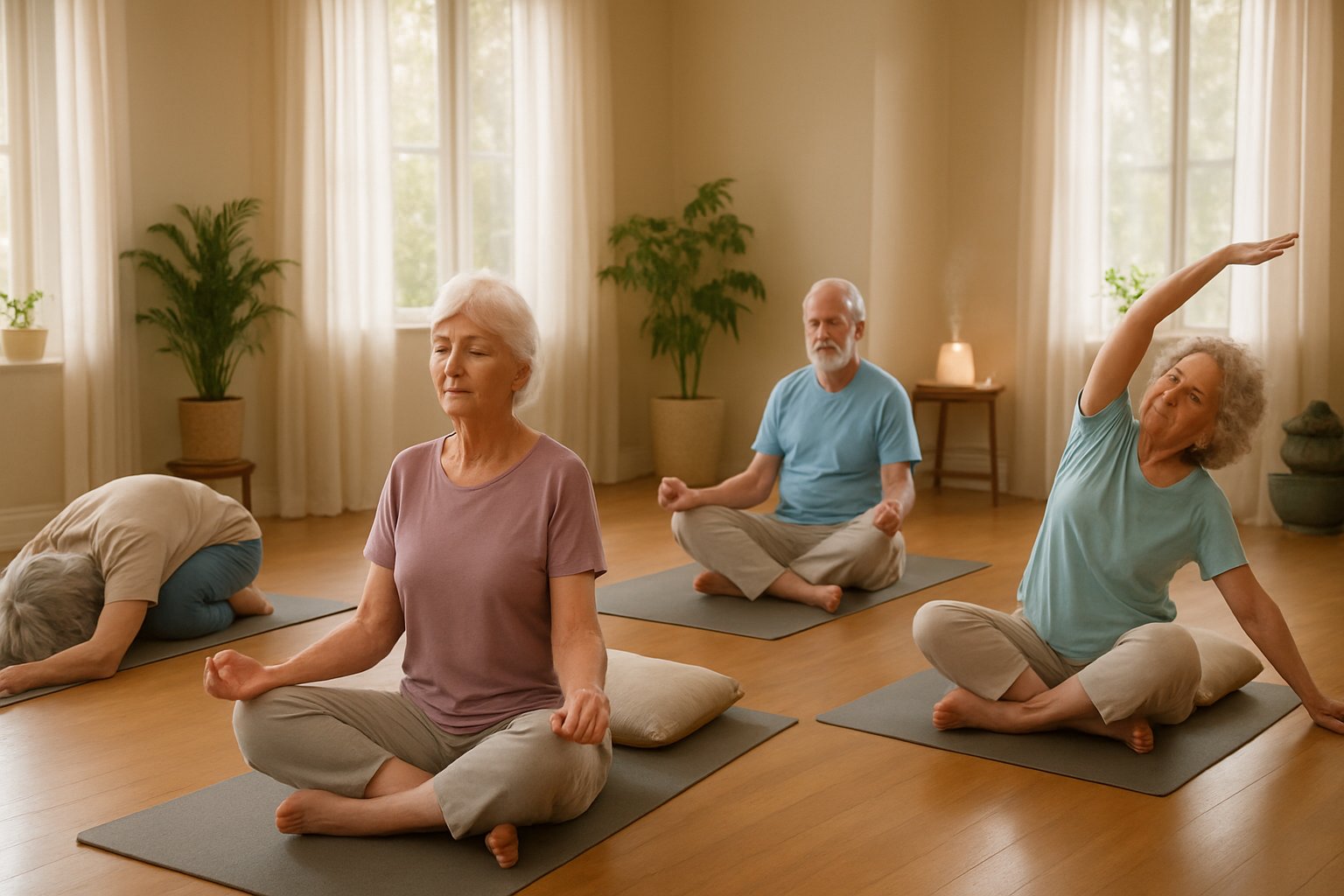
Gentle yoga is a suitable activity for retirees looking to reduce stress and improve well-being. It involves slow, mindful movements and simple poses that focus on balance, flexibility, and strength without straining the body.
By practicing gentle yoga, you can enhance your mental clarity and promote relaxation through controlled breathing and mindfulness. These sessions can help lower blood pressure and reduce anxiety linked to daily stressors.
The low-impact nature of gentle yoga means it is accessible for most seniors, including those with limited mobility or chronic health issues. You can do these sessions at home or join a class tailored to older adults.
Consistent practice supports better balance and endurance, which can reduce the risk of falls. It also contributes to improved sleep, mood, and overall body awareness. Gentle yoga is an effective way to integrate physical activity and relaxation into your routine.
1. Gardening in raised beds
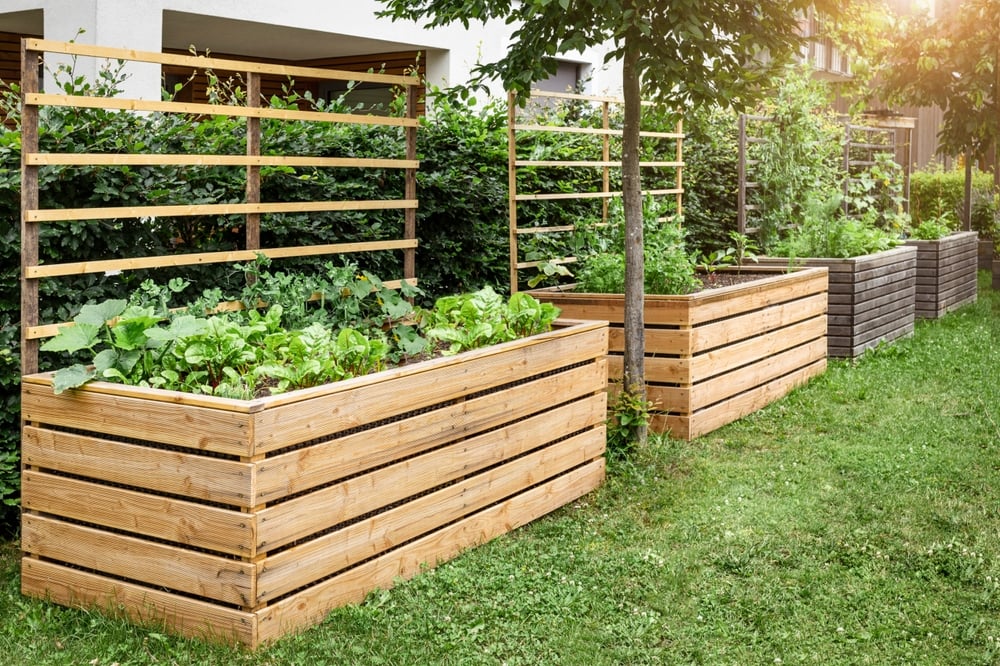
Gardening in raised beds makes the activity more accessible and comfortable for retirees. By elevating the garden, you reduce the need to bend or kneel, which helps protect your back and joints from strain.
Raised beds also create a manageable space for growing herbs, flowers, and vegetables. You can customize their height and size to fit your physical needs and preferences.
This method allows you to enjoy the physical benefits of gardening without excessive effort. It supports gentle exercise and helps you stay active while minimizing discomfort.
Mentally, gardening in raised beds offers a calming, purposeful task. Nurturing plants and watching them grow can improve your mood and reduce stress.
You can set up raised beds in a small backyard or on a patio, making the hobby adaptable to different living spaces. The ease of access encourages regular gardening, which is beneficial for both your body and mind.
🔥 Would you like to save this?
Please note that some of the imagery in this article were created with the aid of AI image generators.